What defines an unreached people group?
An unreached people group consists of a population segment where fewer than two percent of the population has access to resources or information within their own cultural and linguistic context. They typically lack an indigenous community large enough to spread understanding effectively. This definition guides organizations in identifying populations with the greatest need for external support and partnership.
Where can I find an official unreached peoples map?
You can find official unreached peoples maps online through reputable organizations such as the Joshua Project, the International Mission Board (IMB), and Operation World. These platforms offer interactive, data-rich visualizations that are regularly updated. Simply visit their websites and navigate to their mapping tools to explore the global landscape of unreached populations.
How often is the unreached peoples map updated?
The unreached peoples map is regularly updated, though the exact frequency can vary by organization. Major mapping initiatives like the Joshua Project strive for continuous data collection and review, typically updating their datasets multiple times throughout the year. This ensures the information remains current, reflecting population shifts, new initiatives, and evolving global dynamics to provide the most accurate picture.
Is there a cost to access unreached peoples map data?
No, there is generally no cost to access the primary data and interactive maps provided by leading organizations like the Joshua Project or the International Mission Board. These resources are often made freely available to the public to promote awareness and facilitate global engagement efforts. Advanced data exports or specialized reports might incur charges, but basic map access is free.
What organizations create these maps?
Several prominent organizations create and maintain unreached peoples maps. Key players include the Joshua Project, known for its extensive ethno-linguistic data; the International Mission Board (IMB), focusing on mission strategy; and Operation World, which compiles comprehensive global prayer resources. These groups collaborate and independently research to provide accurate, actionable information.
How can US local guides use unreached peoples maps?
US local guides can use unreached peoples maps to connect their local communities with global needs. They can identify specific unreached groups, research their cultural contexts, and advocate for them locally. This might involve organizing awareness events, facilitating partnerships with supporting organizations, or even connecting with diaspora communities residing in their own US cities to offer direct, culturally relevant support and resources.
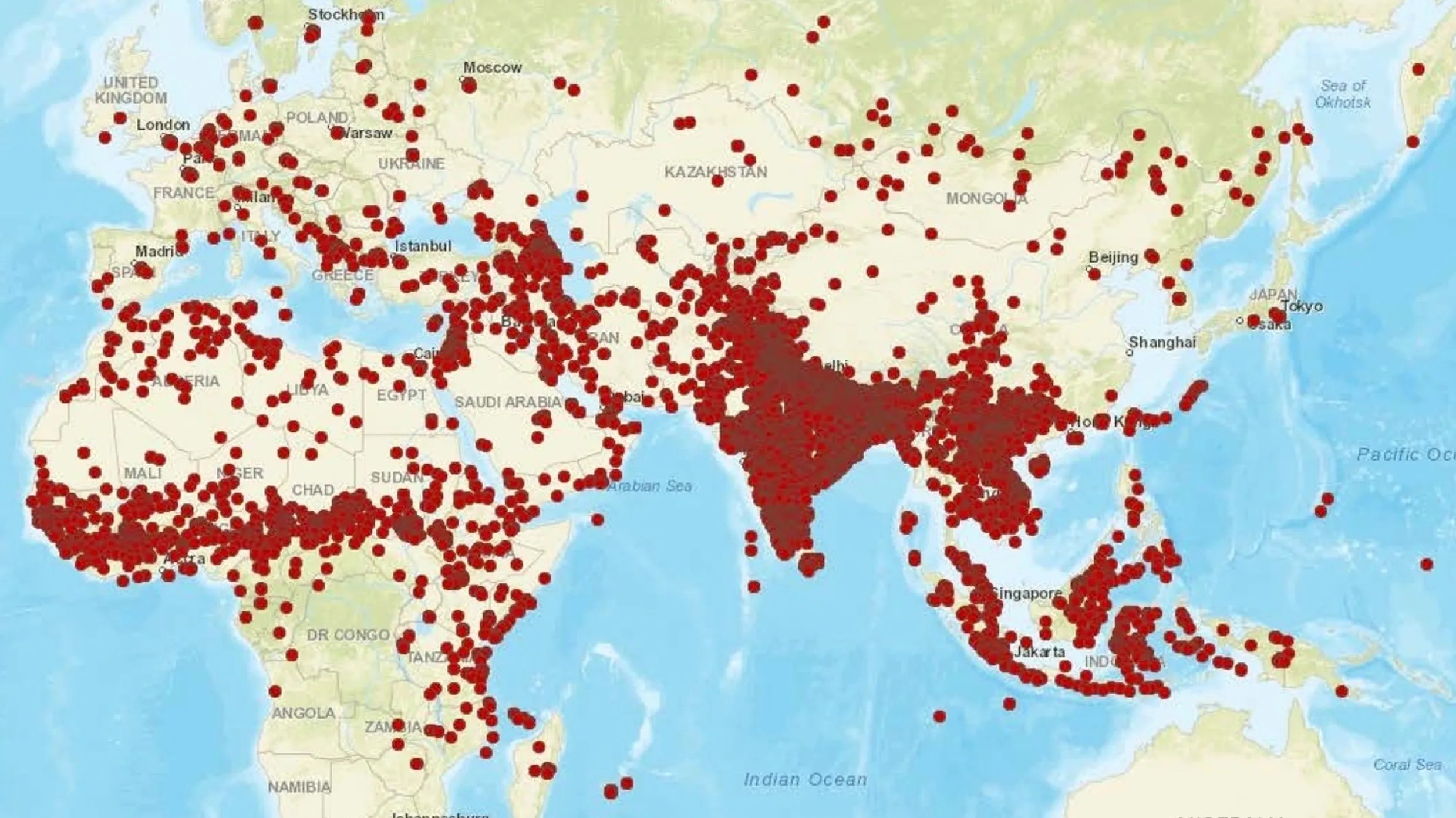
Understanding and utilizing the map of unreached peoples offers a critical resource for individuals and organizations across the United States seeking to engage with global mission efforts. This comprehensive navigational guide details what these maps represent, where to locate trusted versions online, and how to effectively interpret their data for informed decision-making. US local guides and community leaders often search for this information to identify global groups with limited access to resources, fostering connections and support from their local communities. The maps provide essential insights into geographic locations and demographic information, offering a clear path for engagement without requiring any direct financial cost for basic access. Knowing how to navigate these detailed visual tools empowers users to pinpoint specific unreached people groups and understand their unique contexts. This guide ensures US audiences can find, understand, and use these vital resources for meaningful impact.
Frequently asked questions
-
What are the key criteria for an unreached people group designation?
An unreached people group is identified when less than two percent of its population is estimated to have access to resources or information about a specific topic within their own cultural and linguistic context. This criterion helps prioritize efforts where local communities lack sufficient internal means to spread awareness or support effectively, guiding external engagement strategies.
-
How do global events impact the unreached peoples map?
Global events like conflicts, natural disasters, or significant migrations significantly impact the unreached peoples map by altering population demographics and access to resources. Map-making organizations continuously monitor these changes, updating data to reflect new challenges or emerging opportunities for engagement. This ensures the map remains a dynamic and accurate reflection of current global realities for users.
-
Can I filter the unreached peoples map by specific regions or countries?
Yes, most online unreached peoples maps offer robust filtering capabilities, allowing users to narrow their focus by specific regions, countries, or even linguistic families. This feature is incredibly useful for US local guides or organizations seeking to concentrate their efforts on particular geographic areas or cultural contexts. It enhances the map's utility for targeted research and strategic planning.
-
Are there mobile apps available for viewing the unreached peoples map?
Some organizations providing unreached peoples map data offer mobile-optimized websites or dedicated applications. While specific app availability may vary by provider, the interactive nature of these maps is generally designed for accessibility across various devices, including smartphones and tablets. Checking the websites of key organizations will confirm their mobile access options.
-
What is the difference between an unreached people group and an unengaged people group?
An unreached people group lacks a sufficient internal presence of resources or information. An unengaged people group, while also unreached, specifically has no known external initiatives or workers currently focusing on them. All unengaged groups are unreached, but not all unreached groups are unengaged. This distinction helps prioritize where new efforts are most critically needed.
-
How can US citizens contribute to unreached peoples initiatives?
US citizens can contribute to unreached peoples initiatives by praying, financially supporting organizations working with these groups, advocating for awareness, or even volunteering locally with diaspora communities. Learning from the unreached peoples map empowers individuals to make informed decisions about where their contributions can have the most significant and meaningful impact globally.
Are you looking to understand the vast global landscape of communities currently without widespread access to essential resources and information? The map of unreached peoples serves as an indispensable tool, offering a clear, data-driven visualization of these populations worldwide. For US local guides, community organizers, and individuals passionate about global engagement, this map provides actionable intelligence. It helps pinpoint specific groups, understand their geographic locations, and identify their unique needs, paving the way for focused support and connection. Accessing and interpreting this map properly transforms abstract global challenges into tangible opportunities for meaningful intervention and partnership.
Core Understanding and Fundamentals of Unreached Peoples Maps
An unreached people group is generally defined as a population segment that lacks a sufficient number of indigenous, self-propagating communities to effectively share their knowledge and resources within their own culture. These maps are not merely geographical representations; they are comprehensive databases reflecting cultural, linguistic, and social data. Organizations carefully compile this information through extensive research, fieldwork, and collaboration with local experts, ensuring accuracy and relevance. The goal is to provide a clear, objective view of where the greatest needs exist, helping to guide strategic planning and resource allocation for various outreach initiatives globally. Understanding this fundamental concept is the first step toward effective engagement.
The creation and maintenance of these maps involve a meticulous process of data collection and verification. Researchers gather information on population demographics, language groups, cultural identifiers, and current levels of engagement from numerous sources. This often includes census data, ethnographic studies, and direct reports from workers on the ground. These datasets are then continually updated to reflect changes in population movement, new initiatives, and evolving social dynamics. This continuous effort ensures that the map remains a current and reliable resource, offering the most accurate picture of global needs for those in the United States looking to contribute.
For US citizens and organizations, the practical application of the unreached peoples map is profound. It moves beyond abstract global statistics, providing a direct, visual link to specific communities across the world. Churches can use it to select partnership regions, non-profits can identify areas for humanitarian aid, and individuals can find opportunities for volunteer work or advocacy. By consulting these maps, local-guide users can make informed decisions about where their time, talents, and resources can have the most significant impact, aligning their efforts with documented global needs and fostering deeper connections with diverse populations.
Navigating the Map for Actionable Insights
Accessing various unreached peoples maps is straightforward, with several reputable organizations providing platforms online. Key sources include the Joshua Project, the International Mission Board (IMB), and Operation World, each offering unique interfaces and data presentations. Most platforms feature interactive maps that allow users to zoom in on specific regions, filter by various criteria such as language or population size, and access detailed profiles for individual people groups. These resources are typically free to use, designed to be accessible to anyone seeking to learn more about global outreach opportunities. Simply searching for these organization names online will lead you directly to their mapping tools.
Interpreting the data presented on an unreached peoples map requires a nuanced approach. Beyond raw numbers, consider the cultural and socio-economic factors highlighted in the group profiles. Look for information regarding predominant religions, literacy rates, and access to infrastructure. Identifying a specific people group involves more than just locating them geographically; it means understanding their context and the unique challenges they face. The maps often use color-coding or different symbols to indicate varying levels of engagement, helping users quickly grasp the scope of the need in any given area and how they might contribute meaningfully.
Connecting the insights gained from map data to concrete local-guide actions or church initiatives is the ultimate goal. For example, a local church in the US might identify an unreached people group with a significant diaspora in their own city or state. This knowledge could inspire outreach programs tailored to that specific culture, providing language support, community events, or resource sharing. Individuals might use the map to inform their prayers, support specific mission organizations, or advocate for policies that benefit these communities. The map acts as a bridge, transforming global awareness into local, tangible efforts to make a difference.
How does the unreached peoples map help local churches in the US?
The unreached peoples map provides invaluable guidance for local churches in the US by offering a clear, data-driven framework for their global engagement strategies. It helps churches identify specific population groups with limited access to resources and information, allowing them to focus their prayers, financial support, and volunteer efforts more effectively. By understanding the unique cultural and geographic contexts highlighted on these maps, churches can develop targeted outreach programs, forge partnerships with organizations working directly with these groups, and even connect with diaspora communities within their own cities. This specificity ensures that their efforts are both impactful and culturally sensitive, maximizing their contributions to global causes.
Are there different types of unreached peoples maps available?
Yes, several different types of unreached peoples maps are available, each produced by various reputable organizations and often with slightly different methodologies or areas of focus. For instance, the Joshua Project map provides extensive data on ethno-linguistic groups, while maps from organizations like the International Mission Board or Operation World might focus more on regions or strategic population clusters. These variations offer diverse perspectives and data points, allowing users to cross-reference information and gain a more comprehensive understanding. Most are interactive online platforms, providing detailed profiles, statistics, and geographic visualization to support global awareness and engagement.
What information can I find on an unreached peoples map?
An unreached peoples map typically provides a wealth of critical information. Users can expect to find geographical locations of various unreached people groups, often segmented by country or region. Detailed profiles frequently include population size, primary language, predominant religious adherence, and socioeconomic indicators. Many maps also indicate the estimated level of engagement or presence of resources within that group. This comprehensive data allows individuals and organizations to gain a nuanced understanding of each group's unique context, facilitating informed decision-making for prayer, support, and strategic partnerships, empowering more effective global engagement efforts.
How to find unreached peoples map, best unreached people maps, unreached peoples map data, understanding unreached people groups, missionary map resources, global mission data, where to view unreached peoples map, unreached peoples map online access, how to use unreached peoples map, requirements for unreached peoples map, what to expect from unreached peoples map


Unreached People Not Land Masses Missio Nexus Peoples Cartogram What We Do Asia Highland Partners Unreachedgroupdata Research Maps IMB Uupg Wall Layout 2024 Groups Christian Aid Mission Groupmap Why Exist Touch Nations Who Are Quest 58E4DF 05acd4ffe355463b9a06bac2e17f5ae5mv2 58E4DF 05acd4ffe355463b9a06bac2e17f5ae5mv2 Our Jesus For Unreachpeoplegroup List Of MSUOIB In The World JPG Is An Group Presbyterian Missionary Union Map Landscape F04065104D6E1A1CE803F908CDDE0899 603d4d8062b65 F04065104D6E1A1CE803F908CDDE0899 603d4d8062b65 Adopt A Pray Unengaged Joshua Project Congress Caste Census Joshuaprojectmaps U4THEU Only.


Unreached People Groups Map Joshua Project MEPQLG Of In The World GO SEND Traveling Team Image Asset Many 1280PX Window Ultimate Guide PRAY1040 Cartogram UPG Population Large Great Commission And Group Maps Gsec Wall WHERE ARE THEY 40WINDOW Orig 40WINDOW Days 2025 Is Almost Here PRAYER Day Peoples Book Vol Global Awakening Resources Research Uupg Thumbnail 2023 This Shows Progress Media STUDY MISSIONS Life France Screen Shot 2018 At AM SCREENSHOT2018 Equip Crescent Today MUWNH Most North America.


Digital 2026 Global Overview Report Analysis Image Map U4THEU Joshua Project 2015 Unreached People Groups MEPQLG Team Expansion Multiplying Disciples And Churches Among The Ultimate Guide PRAY1040 World Watch List With 1040 Window 1040 Missions Statistics Traveling Asset Resources Research Progress Thumbnail 2023 Document UNHCR CHAD Situation Of Forcibly Displaced Persons Big 0018fb42b064ee49b36f2312d03a09475e432f53 Infographics Peoples Vital Issues In Indigenous Belzglobal To Bethany University Upg.