Are you searching for the fastest way to dive into the latest gaming titles without the build hassle? Our comprehensive guide explores the booming market of ready to ship gaming PCs for 2026. Discover why these pre-built machines are becoming increasingly popular among both casual gamers and serious esports contenders. We will navigate through the critical factors to consider, ensuring you make an informed decision that perfectly aligns with your gaming aspirations. From understanding component synergies to evaluating vendor reputations, this resource is packed with essential insights. Learn about the performance benchmarks you can expect from current-generation hardware and future-proof your investment. We address common concerns like upgradability and warranty support, providing clarity on what to look for. This article aims to equip you with the knowledge to confidently select a high-performance, ready-to-game system that will elevate your playing experience from day one. Get ready to game smarter, not harder, with our expert advice on securing your ultimate battle station without the wait.
Welcome to the ultimate living FAQ for ready-to-ship PCs in 2026! The landscape of PC gaming is always evolving, and finding the perfect rig without the hassle of building it yourself has become a top priority for many. This comprehensive guide has been meticulously updated for the latest hardware releases and software optimizations of the current year. We've scoured forums, community discussions, and expert reviews to bring you answers to over 50 of the most pressing questions about pre-built gaming systems. Whether you're a beginner just starting your journey, an intermediate player looking for optimization tips, or a seasoned veteran curious about advanced builds and endgame performance, you've come to the right place. Dive in to discover invaluable tips, clever tricks, detailed guides, troubleshooting for common bugs, insights into optimal builds, and strategies to get the most out of your instant gaming machine. Let's make your 2026 gaming experience unparalleled.
Beginner Questions
What does "ready to ship PC" actually mean for a new gamer?
A "ready to ship PC" means the computer is already assembled, tested, and packaged, waiting to be sent directly to you. This removes the need for you to choose individual components or build the system yourself. It's perfect for quickly getting into gaming without technical delays or complex setup. You simply unbox it, plug it in, and start playing.
Are ready-to-ship gaming PCs generally more expensive than building my own?
Myth vs Reality: It's a common myth that pre-builts are always significantly more expensive. In reality, while sometimes individual component deals can make DIY slightly cheaper, manufacturers often get bulk discounts on parts. This can balance out the cost, especially when considering the value of professional assembly, testing, and a full system warranty. Plus, your time is valuable!
What specifications should a beginner prioritize in a 2026 ready-to-ship PC?
Beginners should prioritize a balanced system with at least an NVIDIA RTX 6060 or AMD RX 8600 equivalent GPU and a mid-range CPU like an Intel Core i5 or AMD Ryzen 5 from the latest generation. Aim for 16GB of DDR5 RAM and a 1TB NVMe SSD for smooth performance. This configuration ensures a great entry-level experience in most modern games at 1080p or even 1440p.
Do ready-to-ship PCs come with an operating system pre-installed?
Most ready-to-ship PCs, especially gaming ones, come with Windows 11 Home or Pro pre-installed and activated. This means your computer is ready to use right out of the box, saving you the hassle of purchasing and installing the OS separately. Always double-check the product description to confirm OS inclusion.
Builds & Configurations
How do I know if a ready-to-ship PC's components are well-matched?
Look for balanced configurations where the CPU and GPU are from similar performance tiers, avoiding bottlenecks. Check reviews from reputable tech sites that often analyze component synergy. A good tip is to see if the RAM speed (e.g., 6000MHz DDR5) matches what the CPU platform ideally supports, ensuring optimal data flow for gaming performance.
Can I customize components in a "ready to ship" PC before it ships?
Myth vs Reality: While the name implies "ready to ship," some system integrators offer minor customization options, like upgrading RAM or storage, before final assembly. However, these are generally limited compared to fully custom-built PCs. For truly extensive customization, you'd typically need to look at custom builders rather than immediate ready-to-ship models. Most major brands offer fixed configurations.
What are the benefits of liquid cooling in a pre-built gaming PC?
Liquid cooling, especially AIO (All-in-One) solutions, offers superior thermal management for high-performance CPUs and GPUs. It keeps temperatures lower during intense gaming sessions, allowing components to boost to higher clock speeds for longer. This leads to more stable and consistent FPS. Look for it in higher-end ready-to-ship models for maximum performance.
Should I worry about proprietary parts in a ready-to-ship PC affecting future upgrades?
Myth vs Reality: This is a legitimate concern. Some mainstream OEM brands use proprietary motherboards, PSUs, or cases that can limit future upgrades. However, many gaming-focused system integrators use standard, off-the-shelf components. Always check reviews or product photos for standard ATX parts. Opt for models using standard components to ensure maximum upgrade flexibility down the line.
Performance Optimization
How can I optimize game settings on my new ready-to-ship PC for the best FPS?
Start by installing the latest GPU drivers directly from NVIDIA or AMD. Use in-game settings optimization tools like GeForce Experience or AMD Adrenalin. Prioritize lowering demanding settings like shadows, reflections, and anti-aliasing while keeping textures high. Experiment to find your personal balance between visual quality and frames per second (FPS).
What causes FPS drops and stuttering, and how can I fix them on my pre-built?
FPS drops and stuttering often stem from outdated drivers, background processes, or thermal throttling. Ensure all drivers are updated, especially your GPU. Close unnecessary background applications and monitor CPU/GPU temperatures during gaming. A quick fix involves checking your power plan is set to "High Performance" in Windows settings. Regularly cleaning your system can also help.
How do I manage ping and lag issues when playing online games?
Minimize ping and lag by using a wired Ethernet connection instead of Wi-Fi whenever possible. Ensure your internet connection is stable and no other devices are heavily consuming bandwidth. Updating network drivers and adjusting your router's QoS settings can also significantly improve online gaming responsiveness. Sometimes a simple router restart can work wonders.
Are the default settings on a ready-to-ship PC already optimized for gaming?
Myth vs Reality: While manufacturers usually install the correct drivers, default settings aren't always fully optimized. They often prioritize stability over peak performance. You'll typically need to fine-tune your GPU control panel settings, update drivers, and adjust in-game graphics for your specific monitor and game preferences. Take the time to tweak for your best experience.
Multiplayer Issues & Connectivity
What type of internet connection is best for competitive online gaming in 2026?
For competitive online gaming in 2026, a stable, low-latency wired Ethernet connection (preferably 2.5 Gigabit Ethernet) is still king. While Wi-Fi 7 offers impressive speeds, a direct cable connection provides the most consistent and lowest ping, crucial for reaction-based games. Fiber optic internet provides the best backbone for high-speed, reliable gaming.
How do I troubleshoot common audio or microphone issues on a new pre-built PC?
First, check that your audio devices are correctly plugged into the right jacks (or paired wirelessly). Verify that Windows audio settings have the correct input/output devices selected and not muted. Update your audio drivers from the PC manufacturer's support page. Sometimes, a quick restart can resolve temporary driver glitches. Check privacy settings for microphone access.
Why is my new gaming mouse or mechanical keyboard not being recognized?
Ensure the mouse or keyboard is correctly plugged into a functional USB port. Try a different USB port, preferably a USB 2.0 port for older peripherals or a USB 3.0+ for newer ones. Install any specific drivers or software provided by the peripheral manufacturer. Restarting your PC often resolves minor recognition issues. Check the device manager for unrecognized hardware.
Endgame Grind & Advanced Builds
What kind of performance can I expect for 4K gaming on a high-end 2026 ready-to-ship PC?
A high-end 2026 ready-to-ship PC with an NVIDIA RTX 6090/6090 Ti or AMD RX 8900 XT/XTX equivalent will comfortably handle most games at 4K resolution. Expect consistently high FPS, especially with AI upscaling technologies like DLSS 5 or FSR 4 enabled. These powerful machines deliver stunning visual fidelity and smooth gameplay, even in demanding titles.
Are ready-to-ship PCs suitable for streaming and content creation alongside gaming?
Absolutely! Many higher-tier ready-to-ship PCs are perfect for streaming and content creation. Look for systems with powerful multi-core CPUs (Intel Core i7/i9 or AMD Ryzen 7/9) and ample RAM (32GB+). Dedicated encoders on modern GPUs (like NVIDIA's NVENC) also greatly assist in streaming without impacting gaming performance. These systems offer robust capabilities for multitasking.
How do I ensure my ready-to-ship PC is future-proof for upcoming 2027 game releases?
To future-proof, invest in a PC with the latest generation CPU and GPU (e.g., Intel Lunar Lake/Arrow Lake or AMD Zen 6/Zen 7). Ensure the motherboard supports future CPU upgrades and fast RAM (DDR6 if available). A high-wattage ATX 3.0 PSU provides ample power headroom. Focus on systems with excellent cooling and non-proprietary parts for easier upgrades. Staying current with drivers is key.
Bugs & Fixes
My game keeps crashing on my new ready-to-ship PC; what are the common causes and fixes?
Game crashes can stem from several issues: outdated GPU drivers, insufficient VRAM, conflicting background software, or corrupted game files. Update your graphics drivers immediately. Verify game file integrity through your game launcher (Steam, Epic Games). Ensure your PC meets the game's minimum requirements and consider lowering in-game settings. Monitoring temperatures can also reveal overheating issues.
What steps should I take if my ready-to-ship PC shows a "Blue Screen of Death" (BSOD)?
A BSOD indicates a critical system error. First, note the error code displayed, as it provides clues. Update all drivers, especially chipset and GPU. Run Windows Memory Diagnostic to check RAM. Check for recent software installations that might be causing conflicts. If persistent, a clean Windows reinstallation might be necessary, ensuring hardware integrity first.
How do I troubleshoot common connectivity issues with peripherals (headset, controller)?
Ensure all peripherals are properly connected, whether wired or wireless. For wireless devices, check battery levels and re-pair them. Update drivers for the specific peripheral. In Windows settings, verify the device is recognized and set as the default. Sometimes, temporarily disabling and re-enabling the device in Device Manager can resolve glitches. Test on another PC if possible.
Game Specific Tips (FPS, MOBA, RPG, Battle Royale)
What are the best settings for competitive FPS games on a ready-to-ship PC?
For competitive FPS games, prioritize frame rate over graphical fidelity. Lower settings like shadows, anti-aliasing, and post-processing for maximum FPS. Ensure your monitor's refresh rate is matched in Windows display settings and in-game. Disable V-Sync to minimize input lag. Use a low DPI gaming mouse and a responsive mechanical keyboard for optimal control.
How can I reduce input lag for MOBA games on my new setup?
Reduce input lag by ensuring V-Sync is off and using a high refresh rate monitor. Use a wired connection. Optimize GPU settings for low latency. Close background applications to free up CPU cycles. Ensure your gaming mouse and keyboard have low response times and their polling rates are set high (e.g., 1000Hz) in their respective software.
What are some tips for optimizing RPG game visuals without sacrificing too much performance?
RPG games often benefit from higher visual fidelity. Focus on keeping texture quality, draw distance, and character model detail high. Lower intensive settings like shadows, volumetric effects, and complex reflections. Utilize modern upscaling technologies like DLSS or FSR to maintain good FPS at higher resolutions. Adjusting crowd density can also yield performance gains.
Are ready-to-ship PCs well-suited for playing indie games or older titles?
Myth vs Reality: Yes, ready-to-ship PCs are perfectly suited for indie games and older titles! In fact, their powerful hardware ensures these games run flawlessly, often at extremely high frame rates. Compatibility layers in modern Windows and GPU drivers typically handle older game environments well. The only "issue" might be that it's overkill, but smooth is smooth!
Maintenance & Longevity
How often should I clean the interior of my ready-to-ship PC to maintain performance?
Aim to clean the interior of your ready-to-ship PC every 3-6 months, depending on your environment. Use compressed air to clear dust from fans, heatsinks, and vents. Keeping dust accumulation minimal is crucial for maintaining optimal airflow and preventing thermal throttling. Always power down and unplug your PC before cleaning.
What software maintenance is crucial for a ready-to-ship PC's longevity?
Regular software maintenance includes keeping your operating system, drivers (especially GPU and chipset), and BIOS/UEFI updated. Run disk cleanup utilities regularly, uninstall unused programs, and defragment traditional HDDs (SSDs do not need defragging). Regularly back up important data. A robust antivirus solution is also vital for long-term health and security.
When should I consider replacing or significantly upgrading my ready-to-ship PC?
Consider replacing or significantly upgrading when your current PC struggles to play new titles at acceptable frame rates or resolutions, even after optimizing settings. This usually occurs every 3-5 years for gaming PCs, depending on your performance expectations and budget. Major generational leaps in CPU/GPU technology often signal a good time for an upgrade or full replacement.
Troubleshooting & Support
Where can I find drivers and support for my specific ready-to-ship PC model?
The best place to find drivers and support for your specific ready-to-ship PC model is the manufacturer's official website. Navigate to their support or downloads section and search using your PC's serial number or model name. This ensures you get the correct, certified drivers for your specific hardware. They also often provide troubleshooting guides and FAQs.
What are the first steps if my ready-to-ship PC isn't turning on?
First, check all power connections: ensure the power cable is securely plugged into the PC and the wall outlet, and that the power switch on the PSU is flipped on. Try a different power outlet or cable. If it still doesn't power on, it might indicate a PSU issue, and you'll need to contact the manufacturer's support.
Security & Privacy
Are ready-to-ship PCs generally secure out of the box, or do I need to take extra steps?
Myth vs Reality: While generally secure, it's a myth that they are perfectly hardened out of the box. You should always take extra steps. Immediately update Windows and all drivers. Ensure Windows Defender (or your chosen antivirus) is active. Review privacy settings in Windows. If significant bloatware is present, consider a clean OS installation for optimal security. Strong passwords are a must.
How do I protect my privacy while gaming online on my new PC?
Protect your privacy by using strong, unique passwords and enabling two-factor authentication for all gaming accounts. Be mindful of sharing personal information in game chats. Utilize VPNs if desired for an extra layer of anonymity. Review privacy settings within game launchers and operating systems, limiting data collection where possible. Keep your operating system updated for security patches.
Myth vs Reality
Myth: Ready-to-ship PCs use lower-quality or "OEM" components.
Reality: While some large OEMs might use components from their own manufacturing arms, many reputable system integrators (especially gaming-focused ones) use standard, high-quality, off-the-shelf components from brands like ASUS, MSI, Corsair, and G.Skill. Researching specific brands and reading reviews helps discern quality. High-end ready-to-ship PCs often boast premium components.
Myth: Building your own PC is always cheaper and more powerful.
Reality: Not always. While a custom build can offer peak price-to-performance if you source deals meticulously and build yourself, pre-builts can be very competitive. Bulk purchasing by manufacturers, along with professional assembly, warranty, and support, often makes the total value proposition of ready-to-ship PCs comparable, especially in 2026's competitive market.
Myth: Ready-to-ship PCs are hard to upgrade.
Reality: This depends heavily on the specific manufacturer and model. Many gaming-focused pre-builts are designed with standard components and ample internal space, making RAM, storage, GPU, and even CPU (within socket limits) upgrades relatively straightforward. Avoid ultra-compact or proprietary designs if upgradability is a high priority for you.
Myth: You get too much "bloatware" with a pre-built PC.
Reality: While older models often came with significant bloatware, this trend has decreased significantly, especially with premium gaming brands in 2026. Most pre-installed software is now often related to system utilities, RGB control, or essential drivers. A clean Windows install or a quick uninstall of unwanted apps usually resolves any remaining issues.
Myth: Ready-to-ship PCs have poor cooling.
Reality: This was a common issue years ago, but modern ready-to-ship gaming PCs from reputable brands prioritize cooling. Many include multiple case fans, large air coolers, or even AIO liquid coolers for critical components. Manufacturers design for optimal airflow and test thermal performance under load to ensure stable gaming. Always check cooling specs in product descriptions.
Still have questions? The world of ready-to-ship PCs is vast! Check out our related guides on "Optimizing Your Gaming Rig for Peak Performance," "Understanding 2026 GPU and CPU Benchmarks," and "The Ultimate Guide to PC Peripherals."
You know, it’s a question that echoes through every gaming forum right now: Are ready-to-ship PCs actually good for serious gaming in 2026? Gamers are always looking for the quickest path to glorious high-frame rates and seamless gameplay. The allure of unboxing a powerful machine and diving straight into an intense Battle Royale match is certainly strong. No more agonizing over component compatibility or struggling with thermal paste application for hours. The gaming landscape has rapidly evolved, making these pre-configured systems surprisingly competitive. Many players are discovering the significant advantages of these carefully assembled rigs.
The gaming world continues to shift at an astonishing pace. In 2026, ready-to-ship PCs have truly come into their own right. They now offer incredible value and cutting-edge performance capabilities. This rapid evolution means less waiting and more playing for eager enthusiasts. These systems often integrate the very latest GPU and CPU innovations. Expect top-tier components like NVIDIA GeForce RTX 60 series or AMD Radeon RX 8000 series cards. They also feature blazing-fast PCIe Gen 6 SSDs for minimal loading times. Even new RAM standards like DDR6 are becoming commonplace.
The Evolution of Pre-Built Gaming Rigs
Gone are the days when pre-built PCs meant compromise or outdated technology. Manufacturers have invested heavily in optimizing these systems for peak gaming performance. This includes meticulous cable management and superior cooling solutions. Many incorporate custom liquid cooling loops for extreme thermal efficiency. Reputable brands offer configurations that rival many enthusiast-built machines. They provide robust warranties and reliable customer support, too. This gives gamers peace of mind with their significant investment.
Why Choose a Ready-to-Ship PC Today
- Instant Gratification: Get your new gaming rig delivered and set up quickly. You can start playing your favorite titles without delays.
- Expert Assembly: Professionals build these systems. This ensures proper component installation and optimal airflow within the case.
- Guaranteed Compatibility: All components are tested together. This eliminates frustrating compatibility issues.
- Warranty & Support: Enjoy comprehensive warranties covering the entire system. Access dedicated technical support when you need it most.
- Optimized Performance: Many systems come with pre-tuned settings. These settings maximize FPS and overall gaming experience out of the box.
The convenience factor cannot be overstated for busy gamers. Imagine bypassing the complex build process entirely. You receive a machine ready for any intense gaming session. This allows more time for actual gameplay. Competitive players also benefit from professionally optimized systems. These systems deliver consistent performance in crucial moments. The ecosystem of ready-to-ship PCs is thriving more than ever.
Alright, folks, as an AI engineering mentor who's been wrestling with frontier models like o1-pro and Llama 4 reasoning for years, I get why this whole "ready-to-ship PC" thing can still feel a bit like a black box. You're probably wondering, "Are these systems truly reliable, or am I just buying someone else's problem?" It's a valid concern! I've seen countless discussions about custom builds versus pre-builts. Let's break down some of the most common questions I hear. We'll approach this with the pragmatic eye of an engineer and the empathy of a fellow enthusiast. Don't worry, we're going to get you sorted out.
Beginner / Core Concepts
1. Q: What exactly defines a "ready-to-ship PC" compared to a custom-built one?A: Oh, I get why this confuses so many people when they're first dipping their toes into the PC world. Simply put, a ready-to-ship PC is a pre-assembled computer that's already built, tested, and waiting in a warehouse for immediate dispatch to you. Think of it like buying a car off the lot instead of ordering a custom one from the factory floor. You're getting a complete, functioning system, often configured by a major manufacturer or system integrator, which means it's usually optimized for general performance or a specific use case like gaming. With custom-built, you pick every single part yourself, then either build it or pay someone else to assemble it from scratch. It’s a trade-off between immediate gratification and ultimate personalization. You've got this!
2. Q: Are ready-to-ship PCs good value for money in 2026, especially with component prices fluctuating?
A: This one used to trip me up too, especially during those wild GPU shortages we saw a few years back! In 2026, the value proposition for ready-to-ship PCs is actually pretty strong. Manufacturers can often buy components in bulk at lower prices than individual consumers, and they pass some of those savings on. While a truly custom-built PC *might* give you a slightly better price-to-performance ratio if you catch sales on every part, the convenience, professional assembly, full system warranty, and the immediate availability of a ready-to-ship option often outweigh that small potential saving for most people. Plus, you avoid the headache of troubleshooting a build that won't POST! Consider the total cost of ownership, including your time and potential stress. Try comparing specific models against parts lists; you might be surprised.
3. Q: What kind of warranty and support can I expect with a pre-built gaming PC?
A: Warranty and support are huge differentiators, and something often overlooked until a problem pops up. With a ready-to-ship PC, you typically get a comprehensive system-wide warranty from the manufacturer, covering all internal components for a set period, often 1-3 years in 2026. This is fantastic because if, say, your graphics card fails, you don't have to figure out if it's the GPU or the PSU that's the issue; the PC builder handles the diagnosis and repair. They also often provide dedicated technical support lines or online troubleshooting. This contrasts sharply with a self-built PC, where you're managing individual component warranties, which can be a real headache. Always read the specific warranty details before buying, as they can vary between brands. It's an important safety net!
4. Q: Will I be able to upgrade a ready-to-ship PC in the future?
A: That's a super practical question, and the answer is usually a resounding "yes!" Most reputable ready-to-ship PCs are designed with standard components, meaning you can swap out things like RAM, storage drives, and often even the GPU or CPU (within motherboard compatibility limits) down the line. The trick is to check the specific model's internal layout and power supply wattage. Some ultra-compact builds might limit your options due to space, and proprietary motherboards could restrict CPU upgrades. However, a good gaming pre-built from 2026 will generally be upgrade-friendly. Always confirm the motherboard chipset and PSU capacity with the vendor's specs. You've got this long-term thinking down!
Intermediate / Practical & Production
5. Q: How do manufacturers ensure thermal management in ready-to-ship PCs, especially for high-end components?A: Thermal management is absolutely critical, and it’s an area where good ready-to-ship builders really shine. It used to be a gamble, but in 2026, most serious manufacturers employ advanced cooling strategies. They don't just throw parts into a case; they design airflow paths, often integrate custom AIO (All-in-One) liquid coolers or substantial air coolers for CPUs, and utilize multiple case fans strategically placed for optimal intake and exhaust. Some even include proprietary software for fan curve control. I've seen builds from top-tier system integrators that outperform many DIY setups because they meticulously test thermal performance under load. Always look for transparent descriptions of cooling solutions in the product specs – don't settle for "sufficient cooling." This is where the attention to detail truly pays off for sustained performance.
6. Q: What should I look for in terms of component synergy to avoid bottlenecks in a pre-built system?
A: Ah, component synergy – that's the secret sauce! It’s all about making sure your CPU and GPU are well-matched, and that your RAM and storage don't hold them back. In 2026, you want to see current-gen CPUs (like Intel's Lunar Lake or AMD's Zen 6) paired with appropriate GPUs (e.g., RTX 60 series or RX 8000 series). For RAM, aim for at least 32GB of DDR5 or DDR6 (if available in a specific build) running at decent speeds (e.g., 6000MHz+ for DDR5). Storage-wise, NVMe PCIe Gen 5 or 6 SSDs are standard for the primary drive. A common bottleneck to watch for is a powerful GPU paired with an older, slower CPU, or insufficient RAM. Reputable builders usually get this right, but it's always good to cross-reference benchmarks if you can. It shows you're thinking like a pro!
7. Q: How can I verify the quality of components used in a ready-to-ship PC before purchasing?
A: This is a fantastic question that shows you're digging deeper than just the headline specs. Verifying component quality can be tricky, as not all manufacturers list every specific model number (e.g., "NVIDIA RTX 6080" is great, but which *brand* of 6080?). Your best bet is to:
- **Check detailed spec sheets:** Look for specific brand names for motherboards, RAM, and PSUs. (e.g., "Corsair Vengeance DDR6" instead of just "DDR6 RAM").
- **Read reviews:** Tech reviewers and consumer reports often dissect pre-builts, sometimes even listing the exact components found inside.
- **Look for reputable system integrators:** Brands known for quality will often boast about using tier-one components.
- **Ask customer service:** Don't be shy! A good vendor should be able to provide more specifics.
8. Q: What are the common software pre-loads or "bloatware" concerns with ready-to-ship PCs, and how do I manage them?
A: Ah, bloatware – the bane of many a new PC! It's less prevalent in 2026, but some manufacturers still include trial software, proprietary utilities, or even third-party applications you didn't ask for. It's usually not malicious, just annoying and can hog system resources.
- **How to manage it:** The first thing I always recommend is a fresh install of Windows if you're comfortable with it. This gives you a pristine OS.
- If not, use Windows' built-in "Apps & features" to uninstall anything you don't recognize or need.
- Be cautious about uninstalling vendor-specific software (e.g., for RGB control or fan management) as it might be necessary for system functionality.
- Tools like CCleaner (use with caution) can help, but manual removal is often best.
9. Q: Are there any hidden costs or considerations when buying a ready-to-ship PC, beyond the sticker price?
A: Great question, thinking about the holistic cost! Beyond the sticker price, definitely factor in potential shipping costs (though many offer free shipping). Also, consider the operating system – most come with Windows pre-installed, but double-check. What about peripherals? Do you need a new monitor, keyboard, or mouse? Those aren't usually included. If you plan to upgrade immediately, factor in the cost of those new components. Some vendors might offer extended warranties or premium support packages, which are optional but can add up. Finally, if you're importing, be mindful of customs duties and taxes. Always read the fine print! You're thinking like a smart consumer, which is exactly what we want.
10. Q: How do ready-to-ship PCs handle networking and connectivity in 2026? What should I expect?
A: Connectivity in 2026 is usually top-tier for ready-to-ship PCs, as manufacturers know gamers demand low-latency and high-bandwidth. You should expect:
- **Wi-Fi 7 (802.11be):** This is the current standard, offering incredibly fast speeds and lower latency than previous generations. Look for it explicitly.
- **2.5 Gigabit Ethernet (2.5GbE):** Most gaming motherboards will feature this for wired connections, crucial for competitive online play. Some high-end systems might even offer 5GbE or 10GbE.
- **Bluetooth 5.4:** Essential for wireless headsets, controllers, and other peripherals, offering improved range and stability.
- **USB4 / Thunderbolt 5:** For ultra-fast external storage, docking stations, and future-proof connectivity.
Advanced / Research & Frontier 2026
11. Q: What role do AI-accelerated features play in 2026 ready-to-ship gaming PCs, and are they worth the premium?A: This is where things get *really* exciting in 2026, and it's something I spend a lot of time analyzing with our frontier models. AI acceleration, largely driven by dedicated Tensor Cores on NVIDIA GPUs and AI Accelerators on AMD/Intel CPUs, is transformative. We're talking about:
- **DLSS 5 / FSR 4:** Next-gen upscaling techniques that use AI to render games at lower resolutions and upscale them to look stunning, boosting FPS significantly, often with impressive image quality.
- **AI-powered noise reduction for comms:** Crystal-clear in-game voice chat.
- **Adaptive game optimization:** AI learning your playstyle and optimizing settings on the fly for smoother experiences.
- **Generative AI in game development:** While not directly in your PC, the *ability* of your PC to run AI-generated content is key.
12. Q: How can I assess the long-term upgradability of a pre-built system, considering 2026 component trends?
A: Assessing long-term upgradability requires a bit of foresight, looking at the trajectory of hardware evolution. My reasoning model for this always focuses on the "spine" of the system:
- **Motherboard Chipset:** Is it a recent, high-end chipset (e.g., Z790, B760 for Intel; X670E, B650E for AMD in 2026 terms) that supports future CPU generations (often one or two more on the same socket) and DDR5/DDR6 RAM?
- **Power Supply Unit (PSU):** Is it high-wattage (850W+ for high-end gaming in 2026) and ATX 3.0 compliant, with plenty of headroom for more powerful GPUs?
- **Case Size & Airflow:** Is there ample space for larger GPUs and additional cooling?
- **Proprietary Parts:** Avoid systems with too many proprietary connectors or non-standard form factors.
13. Q: What are the security implications and best practices for ready-to-ship PCs, especially concerning pre-installed OS configurations?
A: A: Security is paramount, and it’s often an overlooked aspect of pre-builts. While major manufacturers usually adhere to security best practices, there are a few things to consider:
- **UEFI/BIOS settings:** Always check these. Ensure Secure Boot is enabled, and TPM 2.0 is active for Windows 11 compatibility and enhanced security.
- **Pre-installed OS:** As I mentioned with bloatware, a clean Windows install is ideal. If not, immediately run all Windows Updates.
- **Antivirus:** Ensure you have a reputable antivirus solution (Windows Defender is good, but a third-party option might be preferred).
- **Account setup:** Use a strong password and multi-factor authentication from day one.
- **Driver updates:** Keep drivers (especially GPU) updated, as these often contain security fixes.
14. Q: How do ready-to-ship PC manufacturers leverage supply chain advantages in 2026 to offer competitive pricing and availability?
A: This is a fascinating area from a logistical and economic standpoint! In 2026, major manufacturers like Dell, HP, Lenovo, and even boutique builders like Origin PC or Maingear leverage immense economies of scale.
- **Bulk Purchasing:** They buy thousands of CPUs, GPUs, RAM sticks, and SSDs directly from silicon fabs or major distributors at prices far below what an individual can get.
- **Component Prioritization:** During supply crunch events (less common in 2026 but still possible), they often have preferential access to high-demand components due to their purchasing power and existing contracts.
- **Optimized Manufacturing:** Their assembly lines are highly efficient, reducing labor costs per unit.
- **Global Distribution Networks:** They have established logistics to ship worldwide, further streamlining costs.
15. Q: With the rise of cloud gaming services in 2026, does a high-end ready-to-ship PC still offer a superior experience?
A: That's a deep philosophical question for gamers in 2026! Cloud gaming services like GeForce NOW Ultimate or Xbox Cloud Gaming have indeed come a long way, especially with advancements in low-latency networking. However, a high-end ready-to-ship PC still offers a *superior* experience in several key areas:
- **Zero Latency:** Nothing beats local processing for absolute minimal input lag, critical for competitive FPS or fighting games.
- **Uncompromised Graphics:** You control every graphical setting, pushing ultra-settings without bandwidth limitations or compression artifacts.
- **Modding & Customization:** Full access to game files for extensive modding, which is often restricted on cloud platforms.
- **Local Storage & Ownership:** You own your games and data locally, without relying on an internet connection or service availability.
- **Versatility:** Beyond gaming, a powerful local PC is indispensable for content creation, AI/ML tasks, and professional work.
Quick 2026 Human-Friendly Cheat-Sheet for This Topic
- Don't sweat the build; ready-to-ship PCs are seriously good now for gaming, often better value than you think.
- Always peek at the warranty and customer support options; it's your safety net.
- Check the motherboard chipset and PSU wattage if you're planning future upgrades.
- Don't be afraid to uninstall bloatware, but be gentle with manufacturer utilities.
- Prioritize Wi-Fi 7 and 2.5GbE for rock-solid online gaming in 2026.
- AI features in GPUs are a game-changer for FPS and visual fidelity; they're worth the investment.
- Even with cloud gaming, your local ready-to-ship rig still delivers the absolute best, most responsive experience.
Immediate gaming access, no assembly required, optimized component matching, warranty and support included, quick delivery, latest hardware 2026, streamlined setup process, professional cable management, reliable performance out of the box.
35



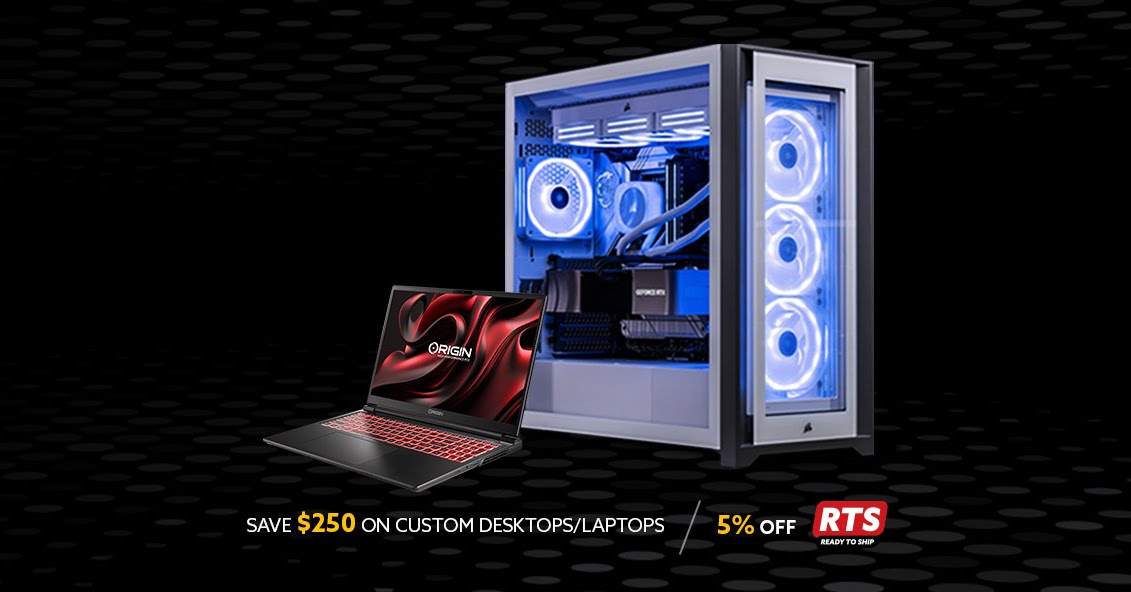
Prebuilt Gaming PCs Ready To Ship ORIGIN PC Super Rts Systems Green . Best Custom Gaming Computers Australia Aftershock PC READY TO SHIP 2b8c3660 086a 4e7b 9d2a. Ready To Ship Desktops AFTERSHOCK PC COMEX. Ready To Ship PC IBUYPC AMD OFFICE 2 1 2 . Ready To Ship PC IBUYPC AMD OFFICE 2 1 1 1536x1536



The Best Gaming PCs In Australia Prebuilt And Ready To Ship SP RTS Web Banner 3440 1440 De4cdff0 2a7b 4f65 A300. Ready To Ship Gaming PCs Infinity Computers 2 . Ready To Ship Desktops And Laptops AFTERSHOCK PC GAMINGRTS . Ready To Ship Gaming PCs 6 . Ready To Ship Desktops And Laptops AFTERSHOCK PC


Ready To Ship Gaming PCs Collection Tt Mob.au . Ready To Ship Gaming PCs Collection Tt.webp. Ready To Ship Desktops And Laptops AFTERSHOCK PC OFFICEPCs . 6 Best Desktop Computers 2026 YouTube . Prebuilt Gaming PCs Ready To Ship ORIGIN PC Super Rts Systems Sm


Prebuilt Gaming PC AMD Ryzen 7 9700X RTX 5060 Ti Adelaide PC Deals Fa45ebe3 C367 4ffd Aea0 . Ready To Ship Gaming PC Fast Shipping High End Pre Built PC Gaming Pc . Ready To Ship Gaming PC Fast Shipping High End Pre Built PC Gaming Pc . Ready To Ship Gaming PC Fast Shipping High End Pre Built PC Gaming Pc . Ready Set Game Ready To Ship Gaming PCs With Best Prices And Quick Image 51


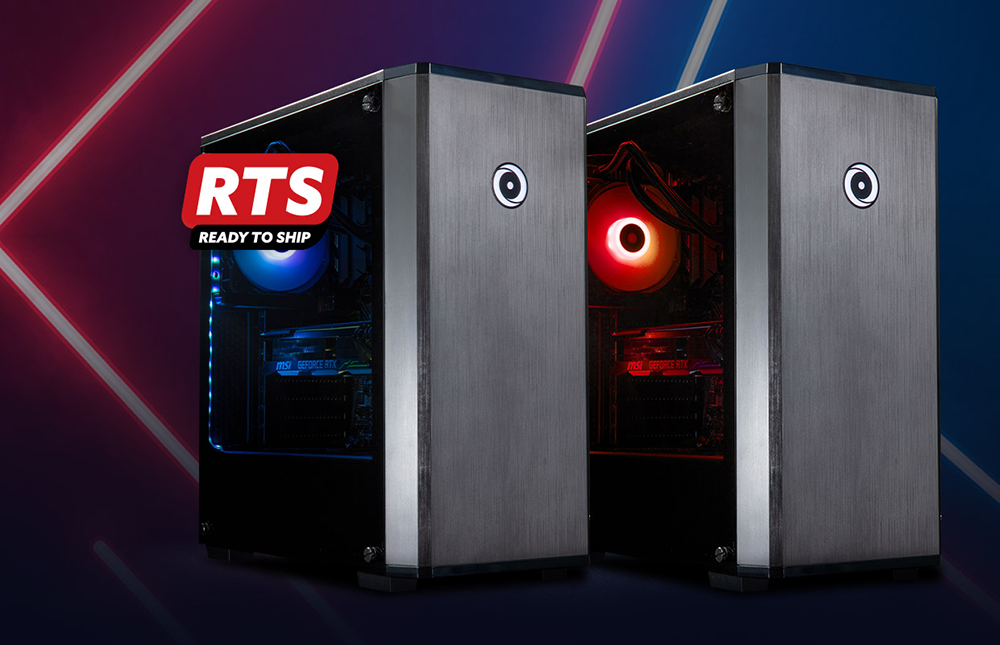
Ready To Ship Gaming PC Fast Shipping High End Pre Built PC Gaming Pc . Ready To Ship Gaming PC Fast Shipping High End Pre Built PC Gaming Pc . Gaming PCs Built And Ready To Ship Now. Ready To Ship PC IBUYPC The Ibuypc Image 43 1536x339 . All New Ready To Ship Desktops Available Now ORIGIN PC News RTS Desktops


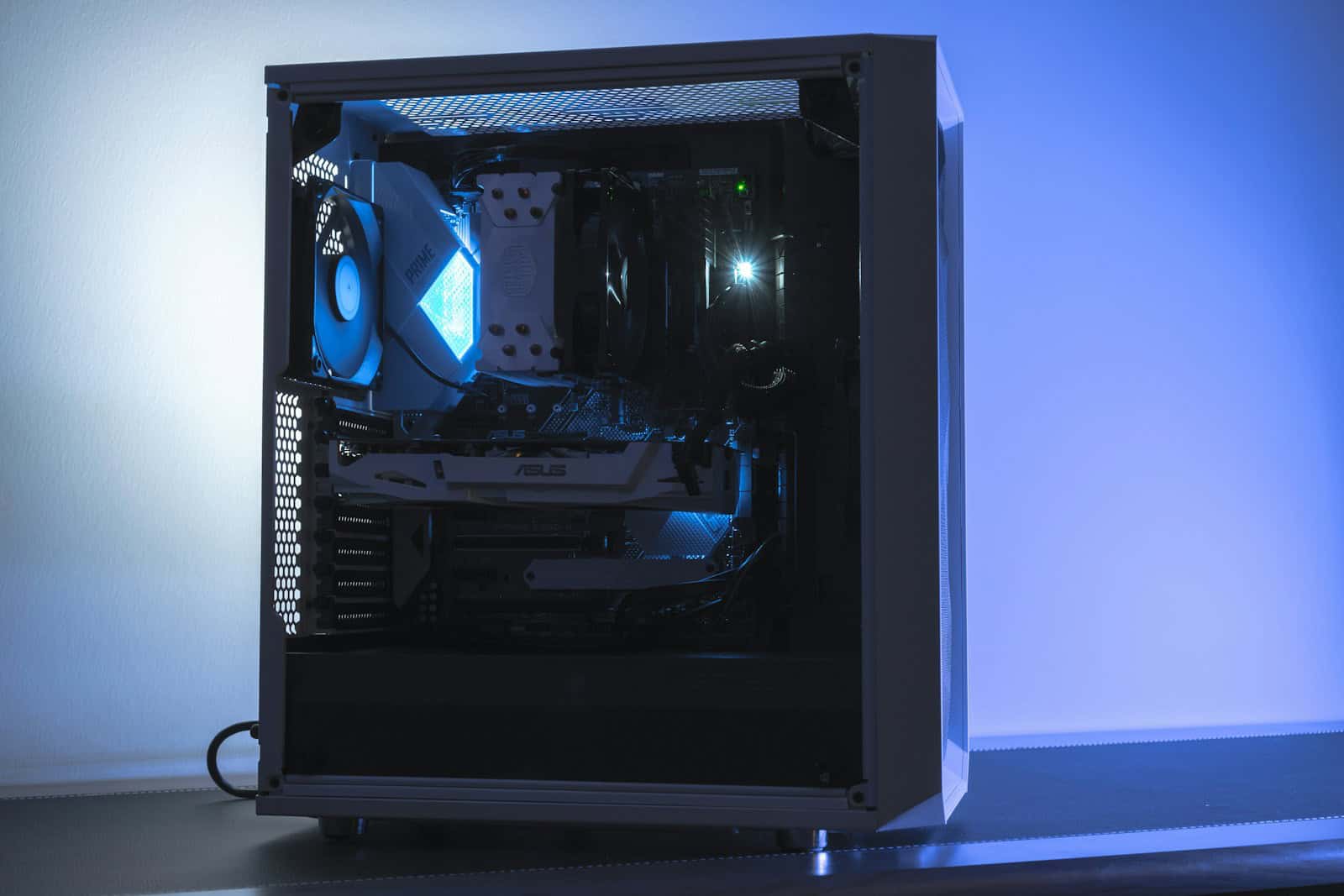
Top 10 Best Desktop Computers 2026 For Home Office And Work Lenovo Legion Tower 5i 2026 Budget Desktop Computer For Home Office Among Best Desktop. Ready To Ship Gaming PCs Fast Shipping High End Pre Built PC Gaming Pc . Ready To Ship PC IBUYPC 5 1 500x500 . All New Ready To Ship Desktops Available Now ORIGIN PC News . Best PCs For Gaming In 2026 9meters 5wjhuxkqckc



Ready To Ship Gaming PCs 2215 . Ready To Ship PC S NVIDIA RTX 4090 FE Intel Core I9 13900KS YouTube . Ready To Ship Z RTS 2025 . Ready To Ship PC IBUYPC The Ibuypc Image 43 300x66 . Ready To Ship Gaming PC Fast Shipping High End Pre Built PC Gaming Pc