Ever wondered how to add your favorite tunes or custom sound effects to your Roblox games? It's a common query for many creators and players alike. This comprehensive guide will walk you through the entire process of putting music on Roblox, covering everything from understanding audio upload rules to navigating copyright considerations and using the developer tools effectively. We'll dive into the nuances of the Roblox audio marketplace and explain the vital role of music ID codes in bringing your soundscapes to life. Whether you're enhancing a personal project or aiming to create an immersive experience for millions, mastering audio integration is crucial. Get ready to elevate your Roblox creations with perfectly placed sounds and melodies.
Welcome, fellow Roblox creator! Ever wondered how to make your games truly pop with amazing sound? This ultimate living FAQ is your go-to guide, updated for the latest Roblox audio changes, to help you master putting music on Roblox. We've gathered the most common questions from aspiring developers and seasoned creators alike, covering everything from basic uploads to advanced sound design. Get ready to transform your game's atmosphere and player immersion!
Most Asked Questions about How to Put Music on Roblox
Can you put copyrighted music on Roblox?
No, you generally cannot put copyrighted music on Roblox without explicit permission or a valid license from the copyright holder. Roblox has strict rules and automated systems in place to detect and remove copyrighted audio to comply with intellectual property laws. Uploading unauthorized copyrighted music can lead to your audio being taken down, and potentially result in account warnings, temporary suspensions, or even a permanent ban. It's crucial to use only royalty-free, licensed, or self-created music to ensure your content remains compliant and safe.
How do I put a song on Roblox for free?
While uploading your own audio to Roblox typically incurs a small Robux fee, you can use existing free audio from the Roblox Audio Marketplace. This marketplace offers a vast library of sounds and music that other creators have made public and that are approved for use. To use these, simply find the desired audio asset in the Creator Marketplace on the Roblox website or directly in Roblox Studio, copy its unique ID, and then paste it into a Sound object in your game. This allows you to integrate music into your experience without any personal upload fees.
What is a Roblox audio ID?
A Roblox audio ID is a unique numerical identifier assigned to every audio file that has been successfully uploaded and approved on the Roblox platform. When you upload a sound or music track, Roblox processes it and generates this specific ID. Developers then use these IDs in Roblox Studio, embedding them into Sound objects within their game scripts. This allows the game engine to know exactly which audio asset to play, enabling dynamic music, sound effects, and voice lines in their experiences. It's the essential link between an uploaded sound file and its use in a game.
How do I make music play in my Roblox game?
To make music play in your Roblox game, first, upload your desired audio file to Roblox and obtain its unique Audio ID. Next, open Roblox Studio and insert a 'Sound' object into your game's hierarchy (e.g., in `Workspace` or a specific part). In the 'Properties' window of the Sound object, paste your Audio ID into the `SoundId` property. To make the music play, you'll need a simple script (e.g., a `Script` or `LocalScript`) that calls the `Sound:Play()` function. For continuous background music, ensure the 'Looped' property of the Sound object is checked to 'true'.
Why is my Roblox music not playing?
If your Roblox music isn't playing, there are several common troubleshooting steps. First, verify that the 'SoundId' property in your Sound object in Roblox Studio is correct and exactly matches the ID of your uploaded and approved audio. Check the 'Volume' property; ensure it's not set to 0. Also, confirm that the audio has passed Roblox's moderation and is active. In your scripts, ensure the `Sound:Play()` function is being called at the correct time and without errors. Finally, check your device's volume settings and Roblox's in-game audio settings, as they might be muted or too low.
H3 Tips & Tricks: Boosting Your Roblox Game's Soundscape
To truly elevate your Roblox game's soundscape, consider these tips. Use `SoundGroups` to manage similar sounds, allowing you to control their collective volume or apply effects like reverb globally. Implement `TweenService` to create smooth fade-ins and fade-outs for music transitions, avoiding jarring cuts. Experiment with `RollOffMode` and distance properties on `Sound` objects placed in your world to create realistic spatial audio, where sounds get louder or quieter based on player proximity. Don't underestimate the power of subtle ambient sounds; they can significantly enhance immersion without being distracting. Finally, always test your audio on different devices to ensure consistent performance.
H3 Builds & Classes: Structuring Your Audio for Scalability
Structuring your audio effectively from the start is crucial for scalability in larger Roblox games. Think of 'Builds' as logical groupings. For instance, create a `SoundGroup` for all UI sounds, another for environmental ambient sounds, and separate `SoundGroups` for different music themes (e.g., 'CombatMusic', 'ExplorationMusic'). This 'Class' based organization allows you to easily manage and manipulate entire categories of sounds with minimal scripting. You can then use `LocalScripts` to dynamically enable/disable these groups or adjust their volumes based on player actions or game zones. A well-organized audio hierarchy makes future additions and modifications much simpler.
H3 Endgame: Advanced Dynamic Audio Systems
For truly 'Endgame' audio design in Roblox, you'll want to move beyond simple play/stop commands. Focus on creating advanced dynamic audio systems. This involves complex `LocalScripts` that listen to numerous game events – player health, specific quest progression, proximity to unique objects, time of day, weather changes, and more. Use these events to trigger intricate soundscapes, not just single tracks. Implement adaptive music that transitions seamlessly between themes based on real-time gameplay. Integrate procedural sound generation for subtle background elements, or use advanced `TweenService` applications to create unique audio effects. The goal is an auditory experience so rich and responsive that players hardly notice it, yet it deeply enhances their immersion.
H3 Bugs & Fixes: Debugging Common Audio Glitches
Encountering audio 'Bugs' in Roblox Studio is a rite of passage, but knowing common 'Fixes' makes it less painful. If a sound isn't playing, first check the 'Output' window in Studio for any script errors related to your audio. Ensure your `SoundId` is correct and your sound object's `Volume` isn't zero. Sometimes, audio takes time to load, especially on slower connections, so add a `wait(0.1)` before `Sound:Play()` in scripts if sounds are occasionally missing. For sounds that cut out, check if you're accidentally `Stop()`ing them elsewhere in your code, or if a `SoundGroup`'s volume is being set to zero. Also, verify your audio passed moderation; unapproved sounds won't play live.
Still have questions?
Dive into the Roblox Developer Hub for more in-depth articles or explore community forums where experienced creators share their insights. Check out our related guides on 'Advanced Scripting for Roblox Developers' and 'Mastering Roblox Studio UI Design' for more tips to enhance your game!
Ever found yourself thinking, "How do I actually put music on Roblox?" You're not alone! It's one of the most frequently asked questions among aspiring Roblox developers and even seasoned creators looking to enhance their experiences. Adding music and sound effects to your Roblox games can transform them from good to truly immersive. Imagine a spooky horror game without its eerie soundtrack, or a bustling city roleplay without ambient street noise. The right audio can evoke emotion, guide gameplay, and make your creation unforgettable for players.
However, getting your tunes into Roblox isn't just about clicking an upload button. There are important rules, technical steps, and creative considerations to keep in mind, especially with Roblox's evolving platform and its commitment to a safe and legally compliant environment. Understanding these nuances is key to successfully bringing your soundscapes to life. This guide will walk you through everything you need to know, from the initial upload process to ensuring your audio is ready for prime time in your game, all while keeping current Roblox policies in mind for 2024.
Understanding Roblox Audio Upload Rules
You're probably eager to start uploading your favorite beats, but hold on just a second! Roblox has some very specific rules and guidelines you absolutely need to follow when it comes to audio. These aren't just arbitrary hoops; they're in place to maintain a safe, respectful, and legally sound platform for its millions of users. Ignoring these rules can lead to your audio being removed, or even more serious consequences for your account, which nobody wants!
The main thing to wrap your head around is copyright. Roblox takes intellectual property very seriously, and for good reason. Using music that you don't own or have explicit permission to use is a big no-no. This means you can't just rip a song off YouTube and upload it. The platform employs sophisticated moderation systems to detect copyrighted material, so it's always best to play it safe. Another crucial aspect is content appropriateness. Audio containing offensive language, hate speech, or sexually explicit content is strictly prohibited. Roblox is a platform largely used by younger audiences, so maintaining a family-friendly environment is paramount.
Finally, there are technical specifications. Your audio files need to be in a compatible format, typically OGG or MP3, and generally shouldn't exceed a certain length or file size. These limits ensure smooth performance across all devices where Roblox is played. Familiarizing yourself with these technical details beforehand will save you a lot of headaches during the upload process. Always double-check the latest Roblox Creator Documentation for the most up-to-date requirements.
Why are there specific rules for audio uploads on Roblox, and how do they impact creators?
Roblox implements specific audio upload rules primarily to ensure copyright compliance and maintain a safe, positive platform environment for its diverse global user base. These rules significantly impact creators by requiring them to use royalty-free music or original compositions, preventing the unauthorized use of copyrighted material. This safeguards both the platform and individual creators from potential legal issues. It also fosters a creative ecosystem where original content is valued and protected, encouraging developers to innovate with their sound design rather than relying on popular but unauthorized tracks. Adhering to these guidelines ensures a smoother development process and a secure user experience. Creators must verify ownership or licensing for all uploaded audio.
What are the implications of using copyrighted music on Roblox, and where can creators find royalty-free alternatives?
Using copyrighted music on Roblox without proper authorization can lead to severe implications, including the removal of your audio, temporary account suspensions, or even permanent bans. Roblox's moderation systems actively scan for such violations, prioritizing legal compliance and intellectual property rights. To avoid these issues, creators should seek royalty-free alternatives. Excellent sources include the Roblox Audio Marketplace, where you can find a vast library of sounds and music cleared for use. Other external platforms like Epidemic Sound, Artlist, or Free Music Archive offer tracks under various licenses, often requiring attribution or a subscription. Always read the licensing terms carefully to ensure full compliance with both the licensor and Roblox's policies.
Who primarily uses Roblox's developer tools for audio, and how do they integrate custom soundscapes into their games?
Roblox's developer tools for audio are primarily utilized by game developers, ranging from individual hobbyists to professional studios and teams working on large-scale experiences. These tools empower them to craft and integrate custom soundscapes, enhancing the immersion and engagement of their games. Developers integrate soundscapes by uploading their approved audio files to Roblox, receiving unique audio IDs. They then use Roblox Studio's scripting environment (Lua) to programmatically play these sounds based on in-game events, player actions, or specific locations. This allows for dynamic music changes, ambient sound effects, and interactive audio feedback, creating a rich sensory experience that deeply connects with players and distinguishes their creations.
When was the Roblox audio marketplace introduced, and why is it important for finding sounds?
The Roblox audio marketplace has evolved significantly over time, becoming a crucial resource for creators. While specific historical dates for its initial inception and subsequent major overhauls (like the 2022 audio privacy changes) can vary, its fundamental purpose has always been to provide a centralized library of audio assets. It's incredibly important because it offers a vast selection of sounds and music that are pre-vetted by Roblox, meaning they comply with copyright and content guidelines. This saves developers immense time and effort in sourcing appropriate audio externally and reduces the risk of copyright infringement. The marketplace ensures creators have access to high-quality, readily usable audio, streamlining the development process and helping them find the perfect sound for any in-game situation without legal worries.
How do Roblox music ID codes work, and why are they essential for playing user-uploaded audio in games?
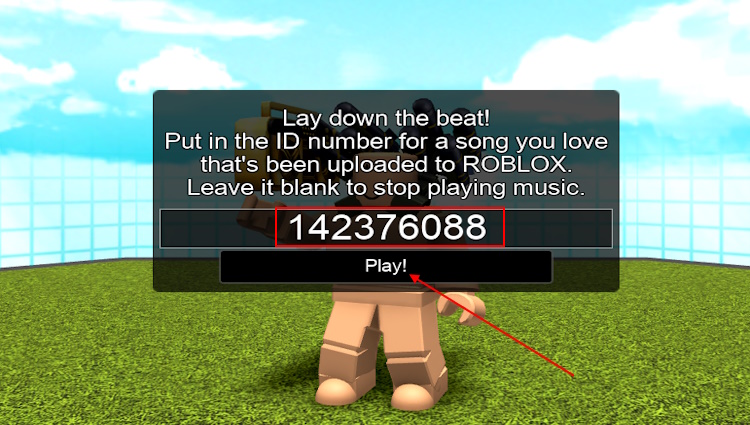
Roblox music ID codes are unique numerical identifiers assigned to every audio file successfully uploaded and approved on the Roblox platform. When you upload a track, Roblox processes it and generates this specific ID. These codes are absolutely essential for playing user-uploaded audio within games because they act as direct references to those sound files in the Roblox ecosystem. Developers embed these IDs into their game scripts using Roblox Studio, allowing them to program when, where, and how a particular sound or piece of music should play. Without these IDs, the game engine wouldn't know which specific audio asset to retrieve and play. They are the backbone of dynamic sound design, enabling creators to build rich, interactive auditory experiences that respond directly to player actions and environmental changes.
The Step-by-Step Guide to Uploading Music
Okay, let's get into the nitty-gritty of how you actually get your music onto the Roblox platform. The process is straightforward once you know the steps, but missing even one can cause a hiccup. You'll need access to the Roblox website and, of course, the audio file you intend to upload. Remember those rules we talked about earlier? Make sure your audio is compliant before you even start this process. This includes checking for copyright and appropriate content. Nobody wants to waste their valuable time uploading something that will just get rejected.
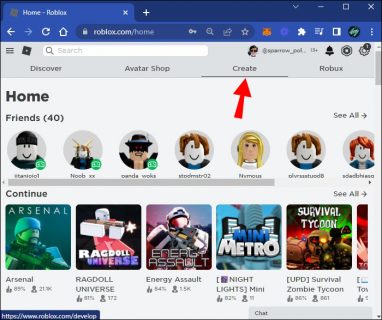
First things first, log into your Roblox account on the web browser. You'll want to navigate to the 'Create' section, which is your gateway to all things development on Roblox. Within the 'Create' page, look for the 'Develop' tab or an equivalent option that leads you to your creations. From there, you'll typically find an 'Audio' category or a general 'Library' section where you can manage your assets. This is where you'll initiate the upload. The interface might look slightly different depending on recent updates, but the core functionality remains consistent.
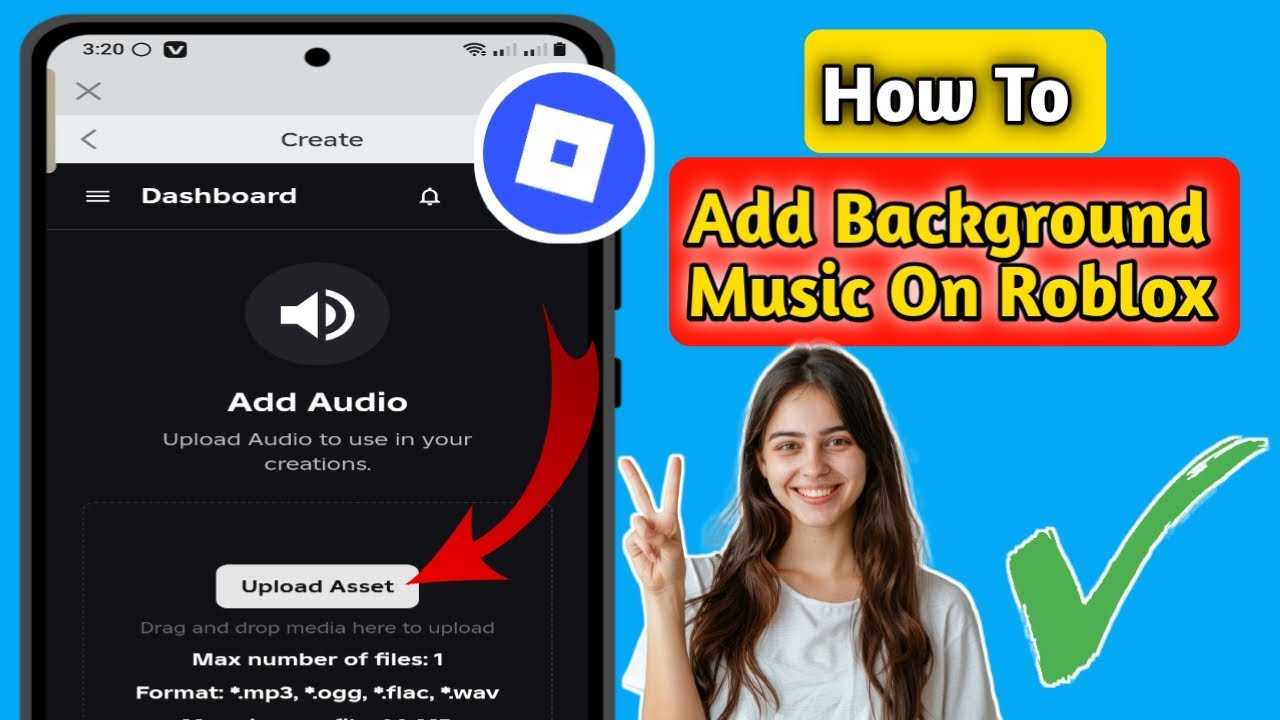
Once you're in the audio upload section, you'll see an option to 'Choose File' or 'Upload Audio'. Click this, select your prepared audio file from your computer, give it a clear and descriptive name, and then hit upload. There might be a small Robux fee associated with uploading audio, which is something to be aware of. This fee helps cover the platform's moderation and storage costs. After uploading, your audio will go through a moderation process. This can take anywhere from a few minutes to several hours. Patience is key here. Once approved, you'll receive your unique Audio ID, which is the golden ticket to using your music in your games!
Integrating Music into Your Roblox Game with Studio
So, you've successfully uploaded your audio and have that precious Audio ID in hand. Awesome! Now comes the exciting part: bringing that sound to life within your actual Roblox experience. This is where Roblox Studio, the powerful development environment, comes into play. If you're new to Studio, don't worry, we'll break it down. Think of Studio as your creative workshop where you build and script everything in your game. Integrating music here involves understanding a few basic components and how they interact.
The primary way to play audio in your game is by using an 'Audio' instance, often referred to as a Sound object. You can insert a Sound object into various places within your game's hierarchy in Studio. A common practice is to place it within a specific part, like a speaker, or even within the 'Workspace' for global background music, or inside a 'ScreenGui' if you want UI-triggered sounds. Once you've inserted a Sound object, you'll see its properties appear in the 'Properties' window. This is where you'll paste your Audio ID into the 'SoundId' property. This tells the Sound object exactly which piece of music to play.
Beyond just assigning the ID, the Sound object has other crucial properties you'll want to adjust. 'Volume' (obviously!), 'Looped' (do you want the music to play continuously?), 'PlaybackSpeed' (for creative effects), and 'RollOffMode' (how the sound fades with distance) are just a few. To make the music play at specific times or under certain conditions, you'll need to use basic scripting with Lua. A simple script could be placed inside the Sound object itself, or in a 'Script' or 'LocalScript' elsewhere, to call the 'Play()' function. For instance, `script.Parent.Sound:Play()` would tell the sound to start playing when the script runs. This opens up a world of possibilities for dynamic audio experiences.
H2 Building Dynamic Soundscapes with Scripting
Ready to level up your audio game? Beyond simply playing a track, Roblox Studio and Lua scripting allow you to create truly dynamic soundscapes that react to player actions, environmental changes, and specific game events. This is where the magic really happens, turning static background music into an interactive auditory experience. Think about how major games use sound: footsteps change on different surfaces, music swells during intense moments, and ambient sounds shift as you enter new areas. You can achieve similar effects in your Roblox games with a bit of scripting knowledge.
The core concept is to use events and conditions to trigger your sounds. For example, if you want a special sound effect to play when a player touches a certain part, you'd use a `Touched` event on that part. Inside the event's function, you would then tell your pre-loaded `Sound` object to `Play()`. For background music that changes based on location, you could use `Region3` or `magnitude` calculations to detect if a player is within a specific zone and then play or stop different `Sound` objects accordingly. This kind of conditional scripting makes your audio feel organic and responsive, significantly boosting immersion.
You can also manipulate sound properties in real-time. Want the music to slowly fade in or out? You can gradually change the `Volume` property over time using loops or tweening services. Need to add a spooky echo effect? You might dynamically adjust the `RollOffMaxDistance` or `RollOffMinDistance`. Experimenting with `PlaybackSpeed` can also create interesting effects, like slowing down music for a dramatic moment or speeding it up for a chase sequence. Don't be afraid to dive into the Roblox Developer Hub for more advanced scripting tutorials and examples. The possibilities for creating a truly unique audio experience are immense once you master these techniques. You've got this!
Troubleshooting Common Audio Issues
I get why this can be frustrating; you've uploaded your music, meticulously placed it in Studio, and... crickets. Or maybe it plays, but it's too quiet, or it's cutting out. Troubleshooting audio in Roblox Studio is a common hurdle, but most issues have straightforward solutions once you know where to look. It's like trying to find that one elusive missing Lego brick; once you spot it, everything clicks into place. Don't let a silent game demotivate you!
First, always double-check the basics. Is your SoundId correct and pasted accurately into the 'SoundId' property of your Sound object? Even a single typo will prevent the audio from playing. Next, check the 'Volume' property. Is it set to an audible level (0.5 to 1.0 is generally good)? Sometimes it defaults to 0. Also, ensure the 'Looped' property is checked if you intend for the music to play continuously. If your audio has been uploaded recently, remember that it needs to pass moderation, which can sometimes take a while. Unapproved audio won't play in games.
If your audio still isn't working, or if it's intermittent, look at your scripts. Is the `Play()` function being called at the right time? Are there any errors in the Output window when you test the game? Often, a simple `print()` statement before and after your `sound:Play()` line can help you debug whether the code is even reaching that point. Another common issue is that certain audio can be muted if players have their Roblox audio settings low, or if the game's overall volume is set too low. For spatial sounds, check the `RollOffMode` and distance properties to ensure they're configured correctly for how you want the sound to be heard in your game world. Try these steps tomorrow and let me know how it goes.
Advanced Tips & Creative Uses for Roblox Audio
You've mastered the basics, you're debugging like a pro, and now you're thinking, "What else can I do with Roblox audio?" This is where things get really fun and your games can truly stand out! Moving beyond simple background loops, there's a whole world of advanced techniques and creative applications that can elevate your experience from good to absolutely unforgettable. It's like adding the perfect seasoning to a dish; it just makes everything pop!
One powerful technique is creating **adaptive music**. Instead of one static track, imagine music that changes based on the player's situation. Is the player in combat? Switch to an intense battle theme. Are they exploring a peaceful forest? Transition to a calming ambient track. This can be achieved by using `LocalScripts` to detect player states (like health, location, or mission progress) and then `playing` or `stopping` different `Sound` objects. You can even use `TweenService` to smoothly fade between tracks, avoiding abrupt cuts and making transitions feel seamless and professional. This dynamic approach keeps players engaged and enhances the narrative flow of your game.
Another excellent use is **spatial audio and environmental sound design**. Instead of just global music, think about placing `Sound` objects at specific locations in your world with 'RollOffMode' configured. This creates sounds that emanate from a source and fade with distance, just like in real life. Imagine crickets chirping only when you're near the grass, a distant factory hum, or the distinct sound of a waterfall as you approach it. Combining this with `SoundGroups` allows you to manage and apply effects to multiple sounds at once, giving you fine-tuned control over your game's auditory environment. Experiment with these concepts; you've got this!
Roblox Audio Monetization and Community Sharing
Did you know that beyond just enhancing your games, the audio you create or find on Roblox can also open up avenues for community sharing and even potential monetization? It's a fantastic ecosystem where creators can not only utilize assets but also contribute to the vast library, fostering a vibrant and collaborative environment. This aspect of Roblox really highlights its user-generated content philosophy, turning individuals into contributors and sometimes, even earners.
For those with a knack for sound design, uploading high-quality, original audio that other developers might want to use can be a fulfilling path. When you upload audio, you have options to make it public. If your sounds are unique and professionally made, they can become popular assets for other creators. While Roblox doesn't have a direct 'audio marketplace' for selling individual sound files in the same way it does for clothing or game passes, popular and frequently used assets contribute to your reputation as a developer, which can indirectly lead to more visibility for your games or even commissions for custom work.
Furthermore, understanding the licensing terms when using audio from the Roblox Audio Marketplace or external royalty-free sources is crucial for monetization. If you're using free assets, ensure their licenses permit use in commercial games (games that might sell game passes or developer products). Creating your own original music and sound effects not only guarantees full ownership and creative control but also avoids any potential legal headaches down the line when your game starts making Robux. Sharing your creations responsibly within the community strengthens the entire platform and provides valuable resources for everyone.
The Future of Audio on Roblox: What's Next?
The Roblox platform is constantly evolving, and its approach to audio is no exception. If you've been around for a while, you've probably seen significant changes, especially with the large-scale audio privacy updates in 2022. These changes, while sometimes challenging for creators initially, were driven by a commitment to intellectual property rights and ensuring a safer, more sustainable environment. It's fascinating to ponder what the future holds for sound within this metaverse, and anticipating these trends can give you a significant edge in your game development.
We can expect Roblox to continue refining its moderation systems, making it even more effective at detecting and managing copyrighted content. This means creators must remain vigilant about sourcing their audio legally and ethically. Furthermore, as the platform pushes towards greater immersion and realism, we might see enhanced capabilities for spatial audio, potentially more advanced sound effects, and perhaps even built-in tools for audio manipulation directly within Roblox Studio. Imagine having sophisticated reverb or equalizer effects accessible without external software!
Another area of potential growth is improved integration with third-party audio tools and libraries, offering developers more flexibility and higher fidelity sound options. As Roblox expands globally and attracts more professional developers, the demand for sophisticated audio features will only increase. Keeping an eye on the official Roblox Developer Blog and announcements is your best bet for staying ahead of the curve. The future of audio on Roblox is undoubtedly geared towards richer, more interactive, and legally compliant soundscapes, empowering creators to build even more incredible experiences for players worldwide. You've got this!
Beginner / Core Concepts
- Q: I'm new to Roblox Studio. How do I even start putting my own music in a game? A: Welcome to the world of Roblox development, friend! It's a journey, and audio is a super important part of making your games feel alive. Starting with music is easier than you might think, but it involves a couple of key steps. First, you'll need to upload your audio file to Roblox itself, which generates a special ID for it. Think of this ID as your music's unique address on the platform. Once that's done and approved, you'll open Roblox Studio, find the Sound object, and paste that ID in. Then, with a little script, you tell it when to play. It's like putting a CD in a player and pressing play, but with code! You've got this, just follow the main steps.
- Q: What kind of audio files can I upload to Roblox, and are there any size limits I should know about? A: That's a super practical question, and it's one that used to trip me up too! Roblox is pretty flexible, but generally, it prefers `.ogg` (Ogg Vorbis) or `.mp3` (MPEG Audio Layer III) file formats for uploads. These are standard and widely supported. As for size, Roblox often imposes limits on the length or file size of audio, primarily to ensure smooth performance across all devices and to manage storage. While exact numbers can change with updates, typically shorter, optimized files work best. Always aim for good quality but not excessively large files. Check the official Creator Documentation for the most current specifics, as they sometimes tweak these numbers. Keep your files clean and concise!
- Q: Do I need to pay Robux to upload audio, and if so, how much? A: Ah, the Robux question! It's a common one because nobody likes surprises when it comes to spending virtual currency. Yes, as of current policies, there is typically a small Robux fee associated with uploading audio to Roblox. This fee helps cover the moderation costs and the storage space your audio takes up on their servers. The exact amount can vary and is subject to change, but it's usually a relatively low cost per asset. You'll see the exact fee displayed when you go through the upload process on the 'Create' page. Think of it as a small investment in making your game sound amazing. It's totally worth it for a unique auditory experience!
- Q: What happens if I upload music that's copyrighted? Will Roblox even know? A: This is a really important question, and I'm glad you're asking it! I get why it might seem tempting to use a popular song, but Roblox has robust moderation systems, including advanced audio recognition technology, that are designed to detect copyrighted material. So, yes, they absolutely will know. If you upload copyrighted music without the proper licenses or permissions, your audio will almost certainly be rejected or removed. In more serious or repeated cases, it can lead to warnings, temporary account suspensions, or even a permanent ban. It's simply not worth the risk. Always use royalty-free music or create your own to stay safe and compliant. You'll thank yourself later!
Intermediate / Practical & Production
- Q: How can I make background music play continuously throughout my entire game without stopping? A: This one used to trip me up too, so I get why it confuses so many people! The key to continuous background music is a combination of correctly setting up your Sound object and a simple script. After you've uploaded your audio and have its ID, in Roblox Studio, insert a Sound object. A common place for global music is under `Workspace` or even inside a `ScreenGui` if you want it to be user-interface based. Crucially, in the Sound object's properties, make sure the `Looped` property is checked to `true`. Then, in a `Script` (if placed in Workspace) or `LocalScript` (if placed in ScreenGui, StarterPlayerScripts, etc.), you'll simply call `Sound:Play()`. For example, `game.Workspace.YourSoundName:Play()`. This tells the sound to start playing and keep repeating. Try this tomorrow and see your game come alive!
- Q: I want a sound effect to play only when a player touches a specific part. How do I set that up? A: That's a fantastic way to add interactivity to your game, and it's surprisingly straightforward with scripting! Here's how you'd do it: First, make sure you have your Sound object with its correct `SoundId` (from your uploaded audio). Place this Sound object *inside* the specific part you want players to touch. Then, inside that same part, insert a `Script`. In that script, you'll listen for the `Touched` event. Your code might look something like this: `local part = script.Parent local sound = part.Sound function onPartTouched(otherPart) sound:Play() end part.Touched:Connect(onPartTouched)`. This script tells the sound to play every time something touches the part it's in. You've got this!
- Q: My music is playing, but it's either too loud or too quiet. How do I adjust its volume? A: I totally understand! Getting the audio mix just right is crucial for a pleasant player experience. Thankfully, adjusting the volume of your music or sound effects in Roblox Studio is super easy. Once you have your Sound object selected in the Explorer window, look at the 'Properties' window (usually on the right side of your screen). You'll see a property simply called `Volume`. This property takes a number between 0 (silent) and 1 (full volume). For most background music, a volume between 0.3 and 0.7 often works well, allowing other game sounds to still be heard. Experiment with this slider while testing your game to find the perfect balance. You'll quickly get a feel for what sounds good!
- Q: How can I make music fade in or out smoothly instead of just starting or stopping abruptly? A: This is an awesome question because smooth transitions make your game feel so much more polished and professional! Abrupt cuts can be jarring, right? To achieve a smooth fade-in or fade-out, you'll want to use a bit of scripting to gradually change the `Volume` property of your Sound object over time. The `TweenService` is your best friend here, as it's designed specifically for smooth property changes. You'd set a target volume (e.g., 0 for fade out, 0.5 for fade in) and a duration, and TweenService handles the interpolation. Alternatively, a simple loop with `wait()` and incremental volume changes can also work. Look up `TweenService:Create()` for Sound objects; you'll love it!
- Q: What are SoundGroups, and when should I use them in my game? A: SoundGroups are an incredibly useful but often overlooked feature in Roblox Studio, and they really help you manage your audio like a pro! Think of a SoundGroup as a folder for your sounds, but with an important twist: you can control the properties of all sounds within that group simultaneously. So, if you have multiple background music tracks or a bunch of sound effects (like footsteps, gunshots, explosions) that you want to control together, you'd put them in a SoundGroup. You can then adjust the volume, pitch, or even add effects to the *entire group* with one change. This is perfect for creating master volume controls, applying global environmental effects, or easily muting all UI sounds. It streamlines your audio mixing process big time!
- Q: Can I change the pitch or speed of an uploaded sound in Roblox Studio? How does that affect the audio? A: Absolutely, and this is where you can get really creative with your audio design! In Roblox Studio, when you select a Sound object, you'll see properties like `Pitch` and `PlaybackSpeed` in the Properties window. `Pitch` (ranging from 0.5 to 2.0) will alter how high or low the sound plays, making things sound squeaky or deep. `PlaybackSpeed` (also typically from 0.5 to 2.0) controls how fast or slow the audio plays back. Be careful, though, as changing the speed often affects the pitch too! Experimenting with these can create unique effects, like a slow-motion sound effect for a dramatic moment or a high-pitched, fast-forward sound for a comical effect. It's a fantastic way to add character and variation to your game's soundscape!
Advanced / Research & Frontier
- Q: How can I implement an adaptive music system that changes tracks based on player health or game state? A: Now you're thinking like a seasoned game designer! An adaptive music system is a hallmark of polished games, making the audio feel incredibly responsive. The core idea is to have several `Sound` objects (each with a different track) and use `LocalScripts` to monitor player health, location, or a specific game state variable. When a condition is met (e.g., player health drops below 30%, or they enter a boss arena), you would `Stop()` the current music and `Play()` the new, appropriate track. For seamless transitions, employ `TweenService` to smoothly fade out the old track's `Volume` while simultaneously fading in the new one. This creates a much more immersive experience than abrupt cuts and really elevates the emotional impact of your game. You've got this, it's a bit more coding but totally worth it!
- Q: What are the best practices for optimizing audio performance, especially in games with many sounds? A: Optimizing audio performance, especially in complex games, is crucial to prevent lag and ensure a smooth player experience. It's like making sure your car isn't carrying too much junk; lighter means faster! The best practice starts with using **efficient audio formats**; OGG is often preferred over MP3 for its compression efficiency on Roblox. Second, manage the **number of simultaneous sounds**; don't play too many sounds at once, especially on lower-end devices. Use `SoundGroups` to manage volume and properties globally, reducing individual script calls. For ambient sounds, consider if a single, long looped track is better than many short, repeating ones. Finally, utilize **`Sound.Stopped` events** to clean up and `Destroy()` sounds that are no longer needed, freeing up memory. A little optimization goes a long way!
- Q: Can I use an external audio editor to prepare my music before uploading it to Roblox? What tools are recommended? A: Absolutely, and frankly, I highly recommend it! Preparing your music with an external audio editor before uploading to Roblox is a best practice that ensures your sounds are optimized, polished, and perfectly fit for your game. It's like tailoring a suit for a perfect fit. Tools like **Audacity** (free and open-source) are fantastic for basic editing: trimming, normalizing volume, applying fade-ins/outs, and converting file formats. For more advanced work, **FL Studio**, **Ableton Live**, or **Logic Pro X** (paid, professional-grade) offer comprehensive mixing, mastering, and sound design capabilities. Using these tools allows you to control the quality, length, and specific characteristics of your audio, ensuring it sounds exactly how you want it to in your Roblox experience. Your game deserves professional sound!
- Q: How can I create dynamic environmental sound effects that react to a player's proximity or location? A: This is a fantastic way to truly immerse your players, making the game world feel alive and responsive! To create dynamic environmental sound effects that react to proximity, you'll place `Sound` objects directly into specific `Parts` in your game world (e.g., a waterfall sound within a waterfall model). Crucially, you'll adjust the `Sound` object's `RollOffMode` property. Setting it to `Linear` or `Inverse` means the sound's volume will naturally decrease as the player moves further away from the part. You'll also configure `RollOffMinDistance` and `RollOffMaxDistance` to define when the sound starts to fade and when it's completely inaudible. Combine this with `LocalScripts` to enable or disable these sounds based on broader area checks, and you'll have a beautifully responsive soundscape. It's all about making the player's ears feel like they're truly *in* your world!
- Q: Are there any community resources or forums specifically for Roblox audio design and best practices? A: Yes, absolutely! The Roblox developer community is incredibly vibrant and supportive, and there are definitely dedicated spaces where you can dive deeper into audio design and best practices. Your primary go-to should always be the **Roblox Developer Hub** (create.roblox.com/docs), which has extensive documentation, tutorials, and API references. Beyond that, the **Roblox Developer Forum** (devforum.roblox.com) is a goldmine. You'll find specific categories or threads dedicated to game design, scripting, and art/audio, where experienced developers share insights, troubleshoot problems, and discuss techniques. Additionally, various Discord servers focused on Roblox development often have channels for sound design. Don't be shy about asking questions or sharing your work there; it's a great way to learn and grow!
Quick Human-Friendly Cheat-Sheet for This Topic
- **Get Legal:** Always, *always* use royalty-free or self-created music. Roblox takes copyright seriously, and you don't want your awesome game getting muted or your account penalized!
- **Upload Smart:** Log into Roblox on your browser, head to the 'Create' section, and upload your OGG or MP3 files. Be prepared for a small Robux fee and a short moderation wait.
- **Grab that ID:** Once approved, copy that unique Audio ID! It's the key to making your music play in Roblox Studio.
- **Studio Basics:** In Roblox Studio, insert a 'Sound' object. Paste your Audio ID into its 'SoundId' property. Toggle 'Looped' for continuous play and adjust 'Volume' to taste.
- **Script it Up:** Use a simple `Sound:Play()` command in a `Script` or `LocalScript` to make your music start. Events like `Touched` can trigger sound effects.
- **Troubleshoot Like a Pro:** If it's silent, double-check your SoundId, Volume, and Looped properties. Check your scripts for errors and ensure the audio passed moderation.
- **Get Creative:** Experiment with `PlaybackSpeed`, `Pitch`, and `RollOffMode` for dynamic effects. Use `SoundGroups` to manage multiple sounds easily.
Understand Roblox audio upload rules and guidelines. Learn about copyright considerations for music on Roblox. Explore the Roblox developer tools for audio integration. Discover the Roblox audio marketplace for sound assets. Utilize Roblox music ID codes to implement audio in games.
35



How To Upload Audio To Roblox Studio Full Guide YouTube . How To Add Music To Your Game In Roblox Studio Easy Method YouTube . How To Make A Music Playlist In Roblox Studio YouTube . How To Add Music To Your Roblox Game Full Guide YouTube . How Do I Add Background Music To A Roblox Game YouTube


How To Add Audio Music To Your Roblox Game YouTube . How To Upload Audio To Roblox 2026 FULL GUIDE YouTube . How To Make A Music Playlist System Roblox Studio Tutorial YouTube . 2021 How To Play MUSIC On Roblox YouTube . How To Add Music Audio To Your ROBLOX Game Tutorial YouTube


How To Add FREE BACKGROUND MUSIC To Your Roblox Games Roblox Studio . How To Add Music In Roblox Studio Insert Background Music In Your . How YOU Can Play Music On Roblox Studio YouTube . HOW TO PLAY SONGS FROM ROBLOX ON ANY ROBLOX BOOMBOX YouTube . How To Add Multiple Songs To Your Roblox Game 2026 YouTube



How To Make A Music Playlist In Roblox Studio YouTube . Roblox Music Codes February 2026 50 New Codes Available Roblox Music Codes . All Roblox Music Codes March 2026 AxeeTech Roblox Music Codes.webp. Roblox Music Codes February 2026 The Best Song IDs Beebom Roblox Music Code Redeem And Play Button . HOW TO UPLOAD COPYRIGHTED MUSIC ON ROBLOX WORKING 2025 YouTube


How To Upload Audio To Roblox Studio Easy YouTube . How To Upload Music To Roblox A Simple Guide Playbite How To Upload Music To Roblox 1024x576 . Roblox Music Codes February 2026 The Best Song IDs Beebom Best Roblox Music Codes And ID . How To Play Music In Roblox Roblox 8 1 . How To Upload Audio To Roblox 2026 YouTube


How To Play Music In Roblox Roblox 5 1 . How To Play Music In Roblox Roblox 5 2 144x320 . How To Play Music In Roblox Roblox 8 354x320 . How To Play Music In Roblox Roblox 2 3 135x300 . How To Play Music In Roblox Roblox 2 2 382x320


How To Play Music In Roblox Through Mic Quick Roblox Tutorial YouTube . How To Add Custom Music To Your Roblox Game Ll 1 199x300 . How To Add Music To Your Roblox Game 2026 YouTube . Updated 2025 How To Add Background Music On Roblox How To Upload . How To Add Music To Your Roblox Game Roblox Studio YouTube