Are you wondering how to make your favorite PC games run smoother than ever in 2026? This comprehensive guide dives deep into optimizing your gaming experience. We cover everything from resolving common FPS drops and frustrating stuttering to fine-tuning your system settings for peak performance. Learn about essential driver updates, network latency fixes for lag, and crucial hardware considerations that impact your gameplay. Whether you are a casual player or a competitive gamer, mastering these optimization techniques is key. Explore the best practices for various game genres including FPS, MOBA, RPG, Battle Royale, Indie, MMO, and Strategy titles. This resource aims to transform your PC gaming into an incredibly fluid and enjoyable adventure. Discover tips and tricks that pro players use to gain that competitive edge. Unlock the full potential of your gaming rig with our expert insights.
pc games game FAQ 2026 - 50+ Most Asked Questions Answered (Tips, Trick, Guide, How to, Bugs, Builds, Endgame)Welcome, fellow gamers, to the ultimate living FAQ for all things PC games in 2026! The landscape of PC gaming evolves at lightning speed, with new titles, patches, and hardware emerging constantly. This comprehensive guide is meticulously updated to reflect the latest strategies, bug fixes, and optimization tips crucial for dominating your favorite virtual worlds. Whether you are grappling with a tricky boss, seeking the perfect build, or trying to squeeze every last frame out of your rig, this FAQ has you covered. Dive in to find answers to over 50 of the most pressing questions, ensuring your gaming experience is smooth, competitive, and above all, fun. Let's tackle those challenges together and elevate your gameplay!
Beginner Questions
What are the essential components for a good gaming PC in 2026?
A powerful CPU (e.g., Intel Core i7/i9 or AMD Ryzen 7/9), a high-end GPU (NVIDIA RTX 40 series or AMD RX 7000 series), 32GB DDR5 RAM, and a fast NVMe SSD are crucial for optimal 2026 PC gaming. These components ensure smooth performance and quick loading times across all modern titles.How do I update my graphics drivers for better game performance?
Download the latest drivers directly from NVIDIA, AMD, or Intel's official websites for your specific GPU model. Perform a clean installation to remove old files, which often resolves conflicts and improves game stability and FPS. This is a fundamental step for any PC gamer.What is 'FPS' and why is it important in PC games?
FPS stands for Frames Per Second, indicating how many unique images your display shows per second. Higher FPS (60+ is ideal) results in smoother, more responsive gameplay, which is critical for reaction-based games like shooters and competitive titles. It directly impacts your gaming experience.Is a wired internet connection always better than Wi-Fi for gaming?
Yes, a wired Ethernet connection provides superior stability, lower latency (ping), and less packet loss compared to Wi-Fi. This leads to a more consistent and responsive online gaming experience, especially crucial for competitive multiplayer games. Always use Ethernet if possible.Builds & Classes
What is the best build for a new player in an RPG in 2026?
For new RPG players, a versatile and forgiving build is often recommended, such as a sturdy tank or a high-sustain damage dealer. Focus on balanced stats, survivability, and abilities that are easy to understand and execute, allowing you to learn mechanics safely.Myth vs Reality: Are 'meta' builds the only way to succeed in competitive games?
Reality: While 'meta' builds are highly effective due to community optimization, they are not the *only* way to succeed. Skill, strategy, and understanding counter-picks can often overcome a sub-optimal build. Experimentation can also lead to unique, powerful strategies.Multiplayer Issues
Why do I experience high ping or lag in online PC games?
High ping or lag is typically caused by a slow internet connection, network congestion, distant game servers, or Wi-Fi interference. Using a wired connection, closing background downloads, and selecting closer game servers can significantly reduce latency.Myth vs Reality: Does a gaming VPN always lower your ping?
Reality: A gaming VPN *can* sometimes lower ping if your ISP routes your traffic inefficiently. However, it often adds overhead and *increases* ping by adding an extra hop. Use a VPN specifically designed for gaming and test its effect.Endgame Grind
What are effective strategies for efficient endgame farming in MMORPGs?
Efficient endgame farming involves identifying high-yield areas or repeatable quests, optimizing your build for speed and sustainability, and utilizing group content for better drops. Prioritize activities that offer both experience and valuable loot for maximum returns.Myth vs Reality: Is endgame content always about grinding for the best gear?
Reality: While gear progression is a significant part of many endgames, modern titles also focus on skill challenges, unique raids, story expansions, and social activities. Endgame often encompasses a broader range of engaging content beyond just endless gear grinding.Bugs & Fixes
My game crashes frequently, what troubleshooting steps should I take?
Frequent crashes often indicate outdated drivers, software conflicts, overheating hardware, or corrupted game files. Update drivers, verify game file integrity through your launcher, monitor temperatures, and try disabling background applications to diagnose the issue.Myth vs Reality: Are all game bugs fixable by players?
Reality: Many minor bugs can be fixed by players through simple troubleshooting (e.g., driver updates, verifying files). However, major bugs, particularly those related to core game code or server issues, typically require official patches from the game developers.Performance & Optimization
How can I stop my PC game from stuttering during intense moments?
To combat stuttering, ensure your graphics drivers are current, reduce in-game graphical settings (especially shadows and volumetric effects), install the game on an SSD, and close all unnecessary background applications. Consistent frame delivery is key to smooth gameplay.What is the best way to optimize my Windows 11 settings for gaming?
Optimize Windows 11 by enabling Game Mode, disabling unnecessary startup programs, ensuring transparency effects are off, and keeping your system updated. Adjust power options to 'High Performance' to ensure your PC prioritizes game processing power.General Tips & Tricks
What are some common mistakes new PC gamers make?
New PC gamers often neglect driver updates, overload their system with background apps, don't optimize in-game settings, or ignore basic PC maintenance like cleaning dust. Addressing these common pitfalls significantly enhances the overall gaming experience.Myth vs Reality: Does disabling antivirus always improve game performance?
Reality: Disabling antivirus *can* slightly improve performance by freeing up resources, but it leaves your system vulnerable. A better approach is to add your game folders to the antivirus exclusion list, allowing games to run unimpeded while maintaining security.Still have questions? Dive deeper with our guides on 'Ultimate Graphics Settings for FPS' or 'Troubleshooting Network Lag in PC Games'.Do you ever wonder why your PC games struggle to run smoothly, even with powerful hardware? Many gamers face frustrating issues like unexpected FPS drops, annoying stuttering, and crippling lag. It can feel incredibly disheartening when your immersive experience is constantly interrupted by these technical glitches. In the fast-paced world of 2026 gaming, performance is paramount for both casual enjoyment and competitive success. Thankfully, optimizing your PC for gaming is more accessible than you might think, transforming your struggles into seamless gameplay. Let's dive into making your digital adventures buttery smooth.
Mastering PC Performance for 2026 Gaming
Understanding the core components of PC gaming performance is the first step toward a flawless experience. Your graphics card, CPU, RAM, and even your storage drive all play critical roles in how games run. Proper settings optimization ensures these components work together efficiently. Addressing issues like ping, FPS drops, and stuttering fix often requires a multi-faceted approach. We'll explore software configurations, driver management, and even network adjustments to achieve peak performance. Get ready to unlock your gaming rig's true potential.
Essential Software & Driver Management
Always keep your graphics drivers updated to the latest versions released by NVIDIA, AMD, or Intel. These updates frequently include performance enhancements and bug fixes tailored for new games.
Ensure your operating system, especially Windows 11, is regularly updated. Microsoft often releases patches that improve system stability and gaming compatibility. Check for updates weekly.
Close unnecessary background applications while gaming. Programs like web browsers, streaming apps, or even some overlay software can consume valuable CPU and RAM resources, causing FPS drops.
Consider using game mode features found in Windows settings or third-party optimization tools. These tools prioritize game performance by temporarily disabling non-essential processes.
Regularly clean your PC's temporary files and browser caches. Accumulated junk files can sometimes slow down your system and impact game loading times. Disk Cleanup is a helpful tool.
Hardware Tweaks for Smoother Gameplay
Overclocking your CPU and GPU can provide a significant performance boost. However, proceed with caution and research proper cooling solutions to prevent overheating and instability.
Upgrade to faster RAM if your current modules are a bottleneck. Many modern games, especially MMO and Battle Royale titles, benefit immensely from higher RAM speeds and capacities.
Consider installing your favorite games on a Solid State Drive (SSD) or even an NVMe drive. This drastically reduces loading times and can help mitigate stuttering in open-world RPG titles.
Ensure your PC has adequate cooling. Overheating components can automatically throttle their performance to prevent damage, leading to noticeable FPS drops and system instability.
A good quality power supply unit (PSU) provides stable power delivery to all components. An unstable PSU can lead to unpredictable performance or even system crashes during intense gaming sessions.
Addressing Network & Connectivity Issues
Network lag is a common culprit for a poor online gaming experience. A high ping can make FPS games unplayable. An unstable connection causes constant stuttering and disconnects. Optimizing your network setup is crucial for enjoying MOBA and MMO games. Using a wired Ethernet connection over Wi-Fi is almost always recommended for stability. Configure your router for Quality of Service (QoS) to prioritize game traffic. Ensure your internet service provider (ISP) delivers consistent speeds. These steps can drastically reduce latency and improve your online gameplay.
The Pro Player Mindset: Advanced Optimization
Pro gamers meticulously fine-tune every aspect of their setup. They don't just focus on FPS; they also minimize input lag. They ensure consistent frame times. This attention to detail can be the difference between winning and losing. Advanced settings optimization involves tweaking specific in-game graphic options. Disabling unnecessary visual effects can significantly boost performance without much visual sacrifice. Consider using competitive display settings like a lower resolution or aspect ratio. These choices prioritize fluidity over visual fidelity. Every millisecond counts in high-stakes matches.
Quick 2026 Human-Friendly Cheat-Sheet for This Topic
Update your drivers often; they're like fresh oil for your gaming engine.
Close background apps; every bit of RAM helps your game breathe.
SSD is your friend for quick loads; ditch the HDD for games when possible.
Wired internet means less lag; unplug from Wi-Fi for competitive play.
Lower non-essential graphics; sometimes 'medium' looks fine and runs great.
Keep your PC clean inside and out; dust kills performance slowly.
Beginner / Core Concepts
1. Q: What are FPS and ping in PC games, and why do they matter?A: FPS, or Frames Per Second, indicates how smoothly a game runs; higher numbers mean smoother visuals. Ping measures the time it takes for your computer to communicate with a game server, with lower ping meaning less lag. Both are crucial for an enjoyable and responsive gaming experience, especially in fast-paced titles. I get why this confuses so many people, but really, they're just key metrics for how well your game is performing visually and over the network. You've got this!
2. Q: How do I know if my PC can run a specific game?
A: You should check the game's minimum and recommended system requirements against your PC's specifications. Websites like 'Can You Run It' can automate this, but generally, compare your CPU, GPU, and RAM. This one used to trip me up too, but it's super important to check before you buy. If your specs are close to recommended, you're usually good to go for decent settings. Try this tomorrow and let me know how it goes.
3. Q: What are the most common reasons for FPS drops in games?
A: Common reasons include outdated graphics drivers, too many background applications, overheating components, or your in-game settings being too high for your hardware. Sometimes, even system-wide software conflicts can cause unexpected dips. It's often a combination of a few things, so it's smart to tackle them one by one. Remember, even a powerful rig can struggle if it's not well-maintained! You've got this!
4. Q: Is Wi-Fi or Ethernet better for online PC gaming?
A: Ethernet (wired connection) is almost always superior for online gaming due to its stable connection, lower latency, and reduced interference compared to Wi-Fi. While Wi-Fi is convenient, it can introduce unpredictable lag and packet loss, which significantly impacts competitive play. If you're serious about online games, a cable is your best friend. Trust me, the difference is noticeable. Try this tomorrow and let me know how it goes.
Intermediate / Practical & Production
5. Q: How can I update my graphics drivers for optimal performance?A: You should download the latest drivers directly from NVIDIA, AMD, or Intel's official websites, matching them to your specific graphics card model. It's often best to perform a 'clean installation' to remove old driver files, preventing potential conflicts. I used to just hit 'update' through Windows, but manually doing a clean install is the pro move for sure. It ensures everything is fresh and optimized for current game titles. You've got this!
6. Q: What in-game settings should I prioritize for higher FPS without sacrificing too much quality?
A: Focus on lowering demanding settings like 'Shadow Quality,' 'Volumetric Lighting,' 'Reflections,' and 'Anti-Aliasing' first. Texture quality can often be kept higher if you have enough VRAM. Experimenting is key, as each game engine behaves differently. It's a balancing act, right? You want to find that sweet spot where it looks good but feels super smooth. Don't be afraid to tweak, it's how you learn your system's limits. Try this tomorrow and let me know how it goes.
7. Q: My game keeps stuttering, even with good FPS. What could be the cause?
A: Stuttering often points to inconsistent frame pacing, which can be caused by driver issues, background processes, or insufficient RAM/VRAM. Sometimes, shader compilation or using an HDD instead of an SSD for game installation can also lead to micro-stutters. I know, it's super frustrating when the numbers look good but the experience doesn't match. Check your task manager during gameplay; you might spot a resource hog! You've got this!
8. Q: How do I monitor my PC's performance while gaming?
A: Tools like MSI Afterburner, HWMonitor, or the built-in Xbox Game Bar (Windows + G) can display real-time metrics like FPS, CPU/GPU usage, temperatures, and RAM consumption. These are invaluable for identifying bottlenecks. This is a game-changer for troubleshooting, seriously. You can instantly see if your GPU is hitting 100% or if your CPU is overheating. It's like having a dashboard for your rig. You've got this!
9. Q: What is 'input lag' and how can I reduce it in PC games?
A: Input lag is the delay between your input (mouse click, keypress) and the action appearing on screen. Reducing it involves using a high refresh rate monitor, disabling V-Sync (if you have G-Sync/FreeSync), optimizing mouse polling rates, and ensuring fast display response times. This one's subtle but huge for competitive players. Every millisecond shaved off your reaction time makes a difference. It's about feeling truly connected to the game. Try this tomorrow and let me know how it goes.
10. Q: Can overclocking my CPU or GPU help with game performance?
A: Yes, overclocking can provide a noticeable performance boost, increasing FPS and overall responsiveness. However, it generates more heat and requires adequate cooling, a stable power supply, and careful monitoring to avoid system instability or damage. It's not for the faint of heart, but the rewards can be sweet if done right. Just remember to do your research and take it slow; you don't want to fry your components! You've got this!
Advanced / Research & Frontier 2026
11. Q: What role will AI-upscaling technologies like DLSS and FSR play in 2026 PC gaming?A: AI-upscaling, especially advanced versions of NVIDIA's DLSS and AMD's FSR, will be even more critical in 2026. These technologies use AI to render games at a lower resolution and then intelligently upscale them to higher resolutions, offering significant FPS gains with minimal visual degradation. This allows gamers to enjoy ray tracing and higher resolutions on a wider range of hardware. It's like magic, truly, giving you beautiful visuals without the crippling performance hit. These models are only getting smarter, too! You've got this!
12. Q: How will future CPU architectures impact gaming performance, particularly with multi-core utilization?
A: Future CPU architectures in 2026 are focusing on hybrid designs with performance and efficiency cores, optimizing multi-core utilization for gaming. Games are increasingly designed to leverage more threads, meaning CPUs with higher core counts and better thread scheduling will offer smoother performance, especially in open-world titles or when multitasking. It's not just about raw clock speed anymore; how effectively your CPU juggles tasks is key. We're seeing some really intelligent designs from Intel and AMD. Try this tomorrow and let me know how it goes.
13. Q: What's the latest on low-latency network protocols and cloud gaming integration for PC titles?
A: By 2026, low-latency network protocols are becoming standard, significantly enhancing cloud gaming viability by reducing perceived lag to near-local levels. This is integrating more tightly into traditional PC titles, allowing for seamless transitions between local and cloud-rendered gameplay. Expect hybrid models where compute can shift dynamically. It's wild to think about, right? Cloud gaming is finally reaching a point where it's truly competitive, thanks to these network advancements. You've got this!
14. Q: What emerging storage technologies will impact game loading times and asset streaming?
A: NVMe Gen 5 SSDs are becoming mainstream, offering unprecedented speeds that drastically reduce loading times. Additionally, technologies like DirectStorage (from Microsoft) are evolving to allow GPUs to directly access SSD data, bypassing the CPU and further accelerating asset streaming in vast game worlds. This will virtually eliminate pop-in and stuttering related to data loading. It's a huge leap from older storage, making massive open worlds feel truly seamless. The data transfer rates are just mind-blowing! You've got this!
15. Q: How are haptic feedback and advanced VR/AR peripherals evolving PC game immersion in 2026?
A: Haptic feedback in 2026 is moving beyond simple rumble, with full-body suits and highly localized haptic gloves providing tactile sensations that dramatically increase immersion. Advanced VR/AR headsets are shrinking in size while increasing resolution and field-of-view, integrating eye-tracking and neural interfaces for more intuitive control and realistic interactions. It's not just seeing and hearing; it's *feeling* the game world around you. We're on the cusp of truly feeling like we're *inside* the game. Try this tomorrow and let me know how it goes.
PC games optimization, FPS drop solutions, Stuttering fix, Lag reduction, Driver updates, Gaming settings guide, Hardware impact on games, Network latency fixes, Best practices for PC gaming, Performance tweaks.
35


Top 10 Most Anticipated Games Of 2026 Biggest Upcoming Game Releases . Top 10 Most Anticipated Games Of 2026 What To Watch Out For GAMES IN 2026 . TOP 50 BIGGEST NEW Games Coming In 2026 With Crazy NEXT GEN 4K Graphics . TOP 40 BIGGEST NEW Games Coming In 2026 With Crazy NEXT GEN 4K Graphics . TOP 10 BEST NEW Upcoming Games Of 2026 YouTube



Buy Call Of Duty 2026 PC Call Of Duty 2026 Pc Game Cover . New Games Hq720 . All Video Games Releasing In 2026 2026 Video Game Release Dates Post Feature Image . 15 Mind Blowing New Games Coming In 2025 2026 Must See Upcoming . TOP 10 NEW Upcoming Games Of 2026 Beyond YouTube



New Games Hq720 . OS 60 GAMES MAIS ESPERADOS PARA 2025 2026 YouTube . Best PC Games 2025 2026 And What To Expect In 2026 New Games 2025 2026 . Delta Force 2026 Game Wallpaper HD Games Wallpapers 4k Wallpapers Delta Force 2026 Game Al . NEW UPCOMING GAMES 2026 Trailer Best New Game Trailers YouTube




Assassin S Creed Shadows Tempo De Jogo Lista De Cap Tulos E Miss Es Lancamentos Games 2026.webp. 10 Predictions For The Game Awards 2025 Half Life 3 Resident Evil . My Current Steam Wishlist 2025 2026 New Games YouTube . 20 NEW Upcoming Open World Games You Ll Obsess Over In 2025 2026 . New Games Everywhere Are You Ready For The Next Big Thing Upcoming 2026 Games That Might Steal Gta Vis Thunder

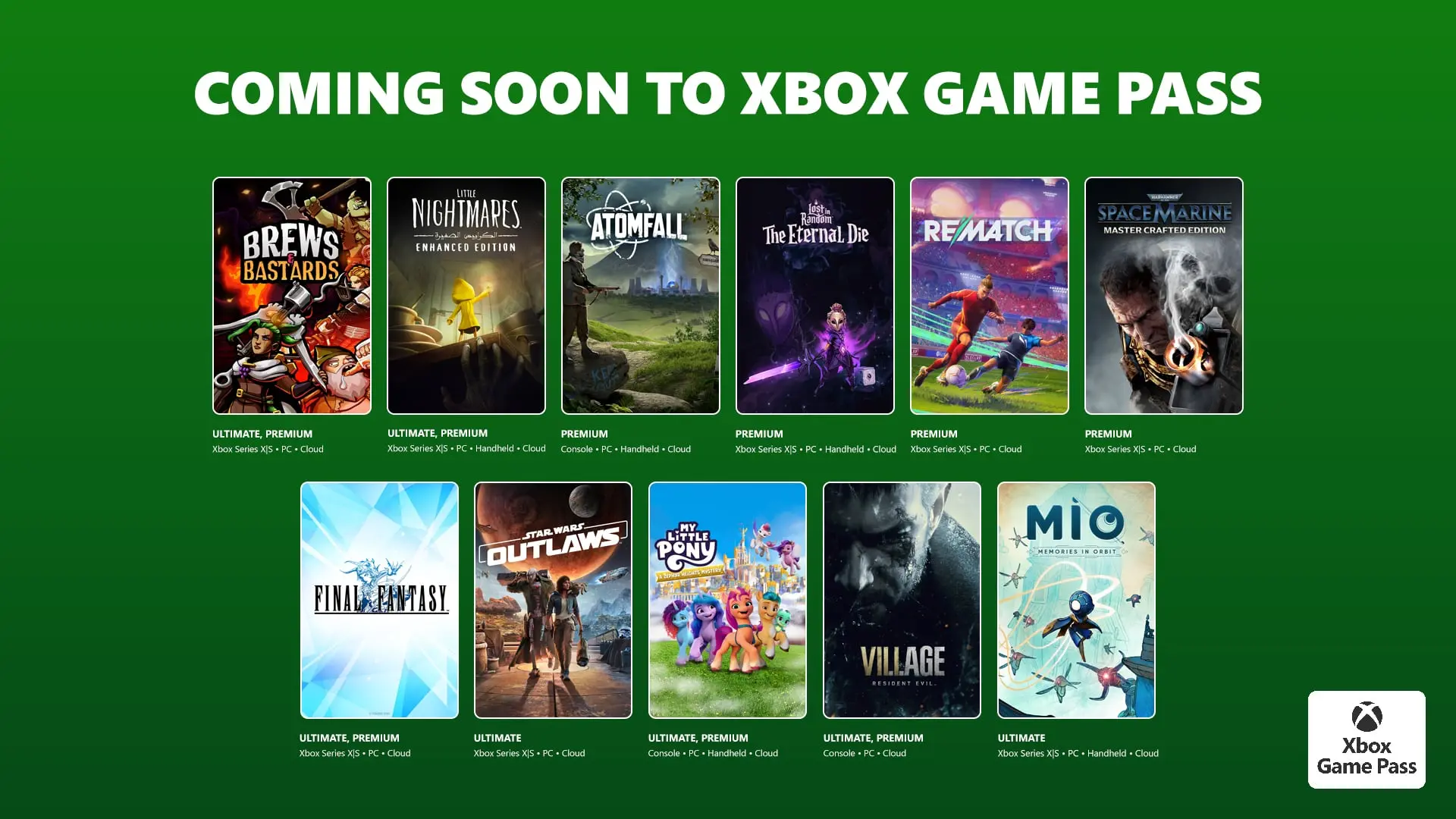

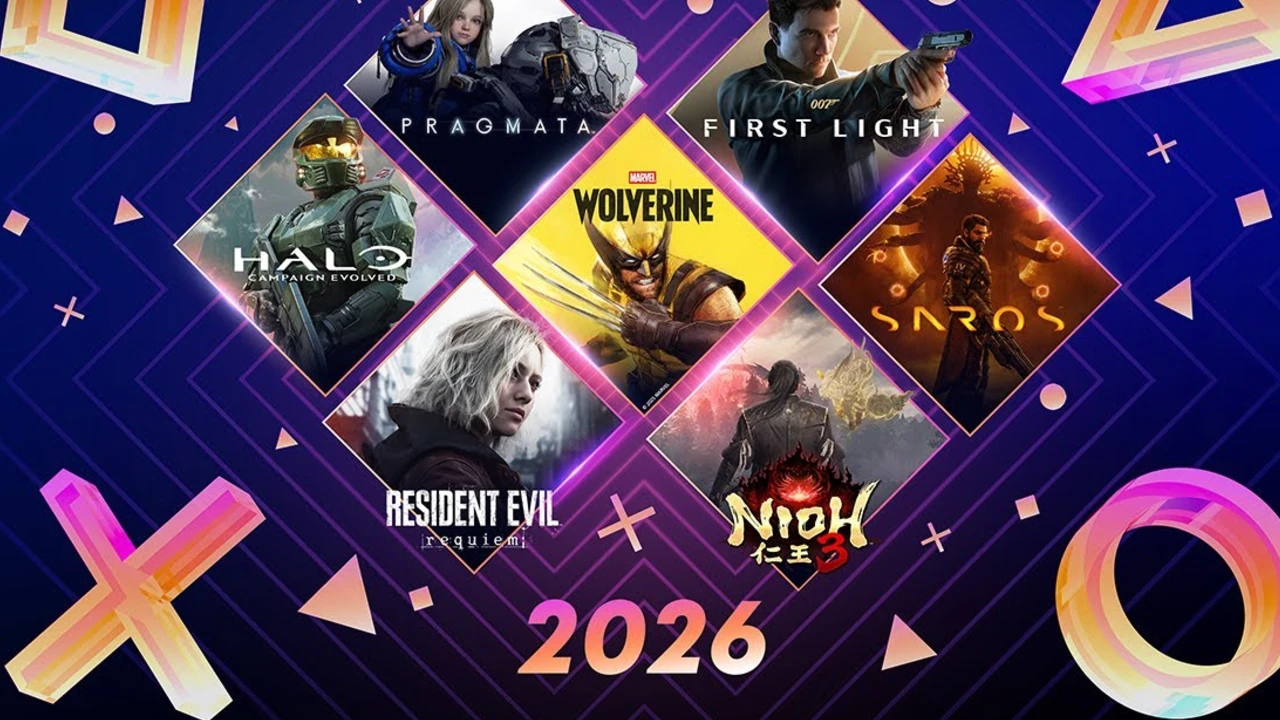
Space Engineers 2 Release Date Features And Latest News AllKeyShop Com Prime Gaming January 2026 Free Pc Games . Valve Hardware 2026 Steam Frame Steam Machine Und Steam Controller Xgp 2026 01.webp. Roblox Catch And Build A Dinosaur Garden Codes Tips October 2025 Guide 2026 Video Game Release Calendar . Rust Console Edition Der Gro E Neustart Auf PS5 Und Ein Letzter Wipe Playstation 2026 Teaser.webp. Upcoming PC Games In July 2024 And Their System Doctor Amd Ryzen Series
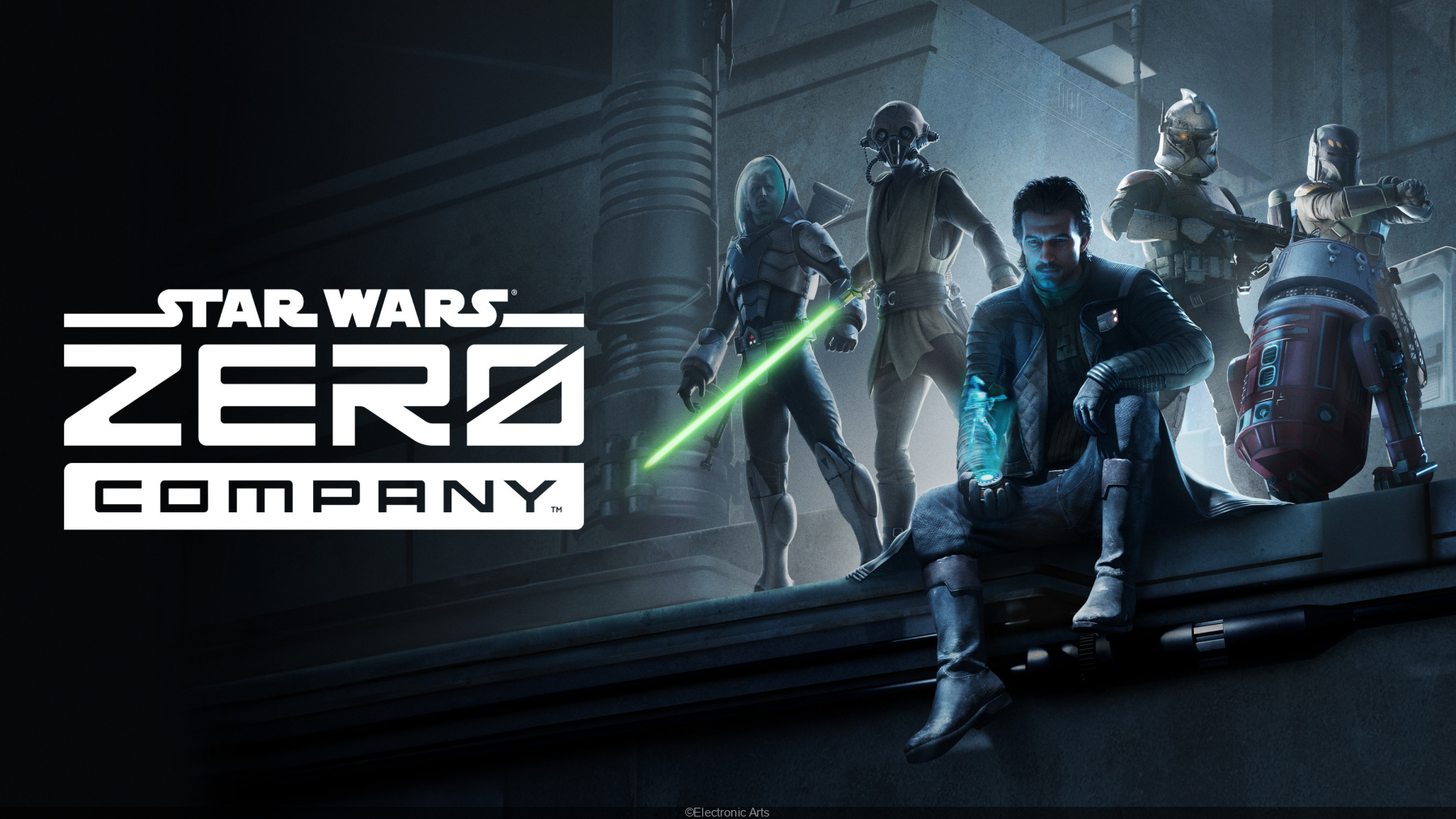
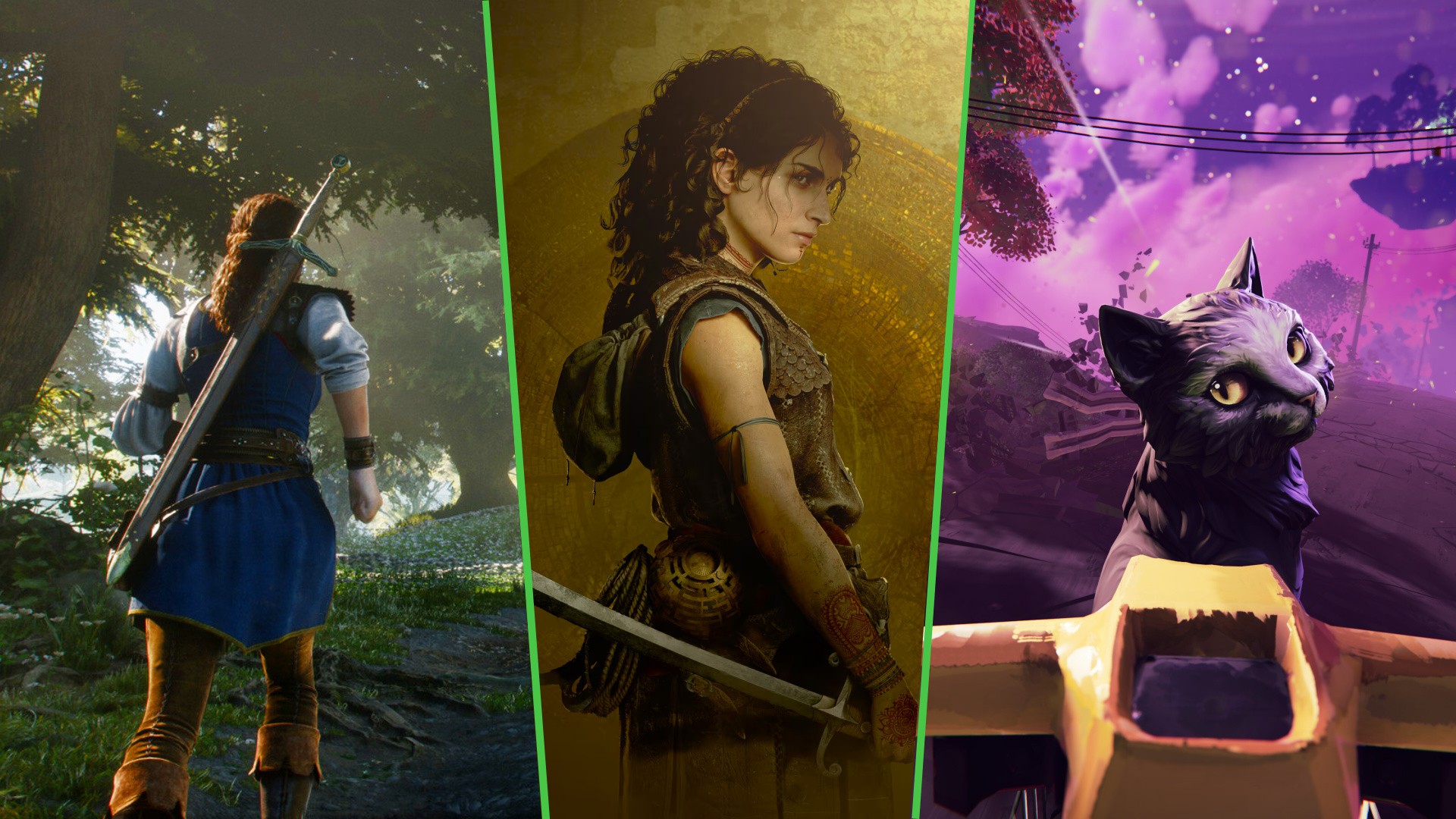
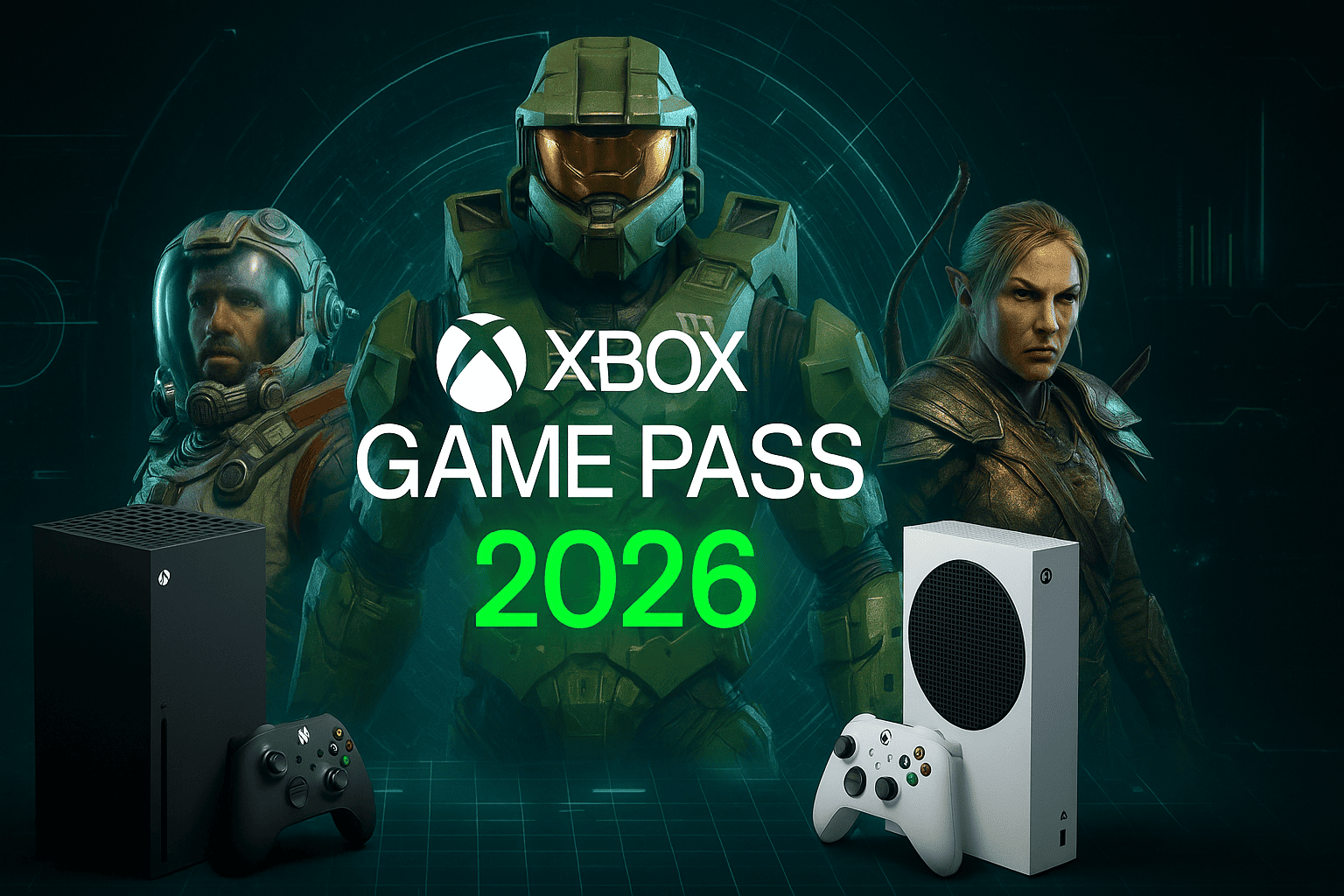
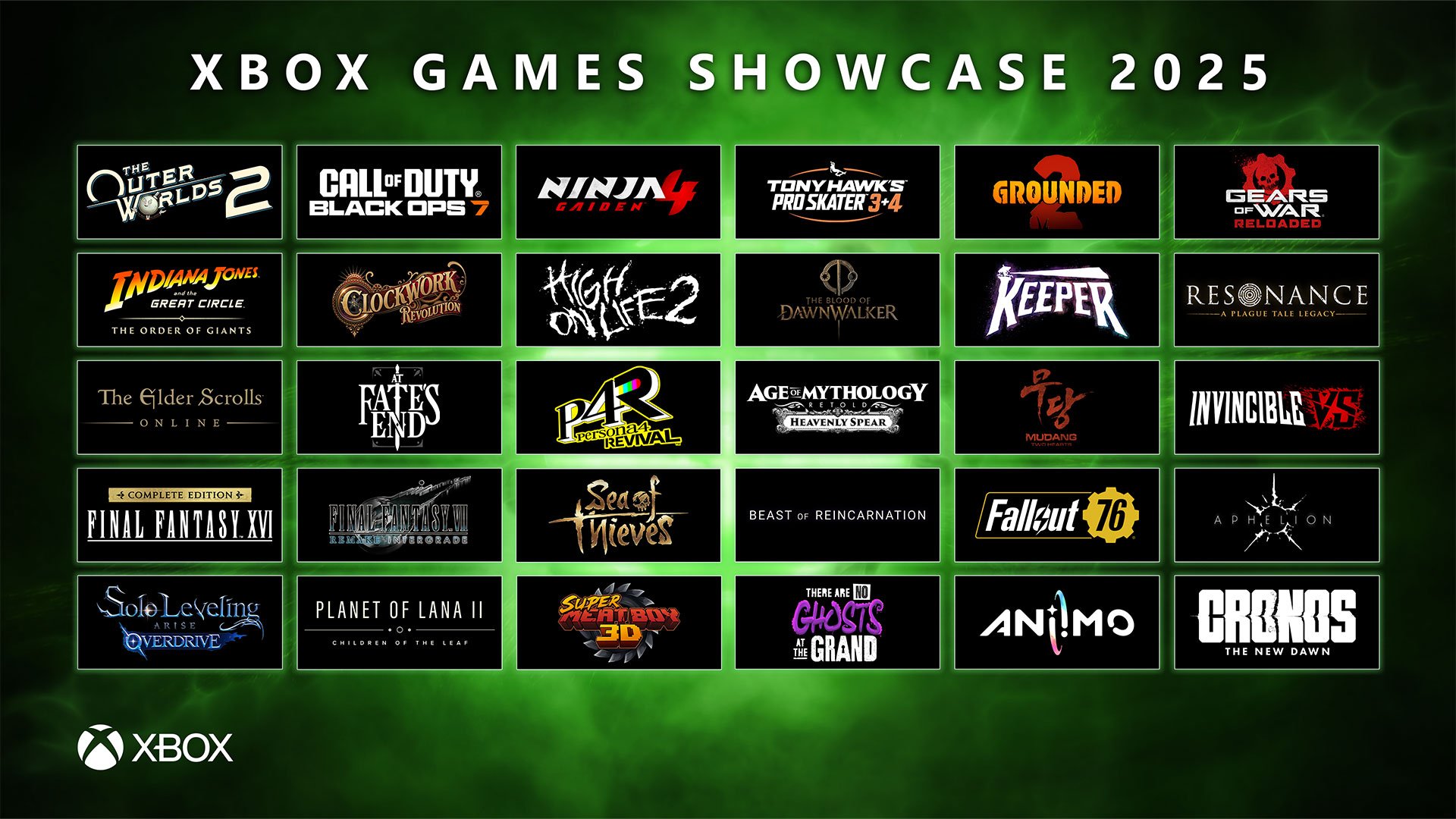
Star Wars Zero Company Turn Based Tactical Game Planned For 2026 1163206 Star Wars Zero Company Un Jeu Tactique Au Tour Par Tour Prevu Pour 2026 . Xbox Game Pass In 2026 The Full List Of Everything Announced So Far Xbox Game Pass In 2026 The Full List Of Everything Announced So Far.large . The Most Anticipated Games Coming To PlayStation 5 In 2026 Guides And Range Games 2026 Keyart 01 05dec25$en. Xbox Game Pass Will Break Records In 2026 With 75 Day One Launch Games Xbox Game Pass Rompera Records En 2026 Con 75 Juegos De Lanzamiento Dia Uno 1 . Xbox Games Showcase 2025 Every Big Reveal And The Future Of Xbox 1002092 All Games 16x9 HD 1920x1080

20 Games Are Already Confirmed For Xbox Game Pass In 2026 Pure Xbox 20plus Games Are Already Confirmed For Xbox Game Pass In 2026.large . Top 25 Upcoming PC Games For 2024 YouTube . Fighting Games 2026 The Ultimate Guide To Releases DLCs Movies And Fighting Games 2026 News Dlcs Updates Releases. 10 Best PC Games Of 2026 Ranked Gaming Net Gaming.net 6 2 . Best PSX Emulators 2026 DuckStation And More For PC And Android Best Free Pc Games In 2026.JPG