Are gaming headphones truly necessary in 2026, or are they just an expensive accessory? This comprehensive guide dives deep into the evolving world of gaming audio, exploring why dedicated headsets offer a significant competitive edge and immersive experience. We break down the latest technologies, from advanced spatial audio to AI-powered noise cancellation, helping you understand how these tools impact your gameplay, communication, and overall enjoyment. Whether you're a casual player or an aspiring eSports pro, discover essential tips for optimizing your audio settings, choosing between wired and wireless options, and making informed decisions about your gear. Uncover the truth behind common myths and learn how to leverage cutting-edge audio tech for superior performance in any game genre. From FPS to RPGs, find out how a quality headset can elevate your play, reduce lag, and provide a critical advantage in an increasingly competitive landscape. This article is your ultimate resource for navigating the 2026 gaming audio market and ensuring you're always one step ahead.
Related games- Where to Buy Elephant Garlic Your Ultimate Guide
- Roblox Code Redemption Guide: Unlock Free Items Fast
are gaming headphones necessary FAQ 2026 - 50+ Most Asked Questions Answered (Tips, Trick, Guide, How to, Bugs, Builds, Endgame)
Welcome, fellow gamers, to the ultimate living FAQ for 2026, all about whether gaming headphones are truly essential! The audio landscape in gaming is constantly evolving, with new technologies and optimizations emerging every patch. This guide aims to be your one-stop resource, dissecting every aspect of gaming audio from beginner queries to advanced pro strategies. We've gathered the most frequently asked questions from communities across PC, PS5, Xbox Series X, and Switch, providing detailed answers, practical tips, and debunking common myths. Whether you're struggling with Ping, trying to fix FPS drops or stuttering, optimizing your drivers, or just seeking an edge in your favorite FPS, MOBA, RPG, or Battle Royale, this guide has you covered. Get ready to elevate your audio game and dominate!
Beginner Questions About Gaming Headphones
Are gaming headphones truly essential for every gamer?
No, not strictly for every casual gamer, but they significantly enhance the experience. For competitive play, accurate positional audio and clear communication from a dedicated headset provide a crucial advantage, making them highly recommended.
What makes gaming headphones different from regular headphones?
Gaming headphones prioritize features like precise spatial audio for directional sound, noise-canceling microphones for clear communication, and ergonomic designs for extended comfort. Regular headphones focus more on music fidelity.
Can I use my existing earbuds or headphones for gaming?
You can, especially for casual gaming, but you'll likely miss out on key competitive advantages. Earbuds often lack good mics and positional audio, while regular headphones may not offer the comfort or specialized sound profiles for intense gaming sessions.
Do gaming headsets really improve in-game performance?
Yes, especially in competitive genres like FPS and Battle Royale. Superior positional audio allows you to hear enemy footsteps or gunfire direction more accurately, leading to faster reactions and better tactical decisions. Communication clarity also reduces lag in team coordination.
Are wired or wireless gaming headphones better for competitive play?
While wired offers absolute zero latency, modern high-end wireless (2.4GHz) gaming headphones in 2026 now provide extremely low latency that is virtually imperceptible. For most competitive players, both options are viable, with wireless offering more freedom.
Optimization & Settings
How do I optimize my headset settings for competitive gaming?
First, disable all unnecessary sound enhancements in your system settings. Then, use your headset's dedicated software to fine-tune spatial audio and equalizer settings, often boosting crucial frequencies like footsteps. Ensure drivers are up-to-date.
What are the best settings to prevent FPS drop related to audio?
Ensure your audio drivers are updated, disable any in-game or system-wide audio enhancements, and set your audio sample rate to a consistent 48kHz. Using a dedicated headset with its own processing can also offload some work from your CPU.
How can I reduce Ping or lag caused by communication?
Use a headset with a high-quality, noise-canceling microphone to ensure clear voice data. Also, ensure your internet connection is stable and that your game's voice chat quality settings are not excessively high, causing unnecessary bandwidth strain.
Myth vs Reality
Myth: Gaming headsets are just a gimmick with fancy RGB lights.
Reality: While some have RGB, the core value lies in superior spatial audio, specialized microphones, and ergonomic design for extended use. These features provide tangible competitive advantages and enhanced immersion far beyond aesthetics.
Myth: Any 7.1 surround sound headset offers true directional audio.
Reality: Many 7.1 headsets use virtual surround sound, which simulates direction. While good, true binaural 3D audio (like PS5's Tempest 3D Audio) processes sound differently, often offering more accurate and immersive positional cues through any stereo headphones.
Myth: More expensive headsets are always better for gaming.
Reality: There's a point of diminishing returns. While premium headsets offer excellent quality, many mid-range options provide fantastic performance, especially in 2026. Focus on features like comfort, mic quality, and spatial audio over just price tags.
Myth: Gaming headphones cause hearing damage more than regular audio.
Reality: No, the risk of hearing damage comes from prolonged exposure to high volumes, regardless of the headphone type. Gamers often play longer, so it's crucial to use moderate volume levels and take breaks to protect your hearing.
Myth: You need a gaming headset from the console manufacturer for best experience.
Reality: Not necessarily. While first-party headsets are optimized, next-gen consoles' audio engines (like PS5's 3D Audio) deliver excellent spatial sound through *any* quality stereo headset, reducing the need for proprietary features.
Advanced Strategies & Pro Tips
What role do advanced drivers play in 2026 gaming audio?
Advanced drivers, especially those from your headset's manufacturer and motherboard's audio chipset, are crucial for unlocking full spatial audio capabilities, ensuring low latency, and allowing granular customization through companion software. Keeping them updated is key.
How do eSports pros approach their audio setup for peak performance?
Many eSports pros use high-quality, often open-back audiophile headphones paired with separate broadcast-grade microphones. They prioritize absolute clarity, precise positional audio, ultra-low latency (often wired), and custom EQ settings tuned for specific game sounds.
Are there specific tools to fix stuttering related to audio?
Beyond driver updates, check for conflicting audio software, disable Windows audio enhancements, and ensure your audio output device is consistently set. Sometimes, a clean reinstall of audio drivers or firmware updates for your headset can resolve stuttering issues.
Endgame Grind & Builds
How crucial is communication clarity in competitive MMO and MOBA games?
Communication clarity is paramount in team-based MMOs and MOBAs. A clear microphone ensures your calls are understood without lag or misinterpretation, allowing for coordinated Builds, strategies, and quick decision-making that can turn the tide of a match.
What type of headset is best for immersive RPG gaming experiences?
For RPGs, headsets emphasizing rich soundscapes, deep bass, and comfortable designs for long sessions are ideal. Closed-back headphones can enhance immersion by isolating you from external noise, allowing you to fully get lost in the game's world.
How do specific genres like Strategy games benefit from gaming headphones?
Strategy games benefit from headphones that provide clear alerts and environmental audio cues, allowing players to monitor multiple parts of the map simultaneously. Good sound separation helps distinguish unit movements, attack warnings, and resource notifications, enhancing overall tactical awareness.
Bugs & Fixes
My microphone has static or cuts out; how can I fix it?
First, check your cable connections or wireless receiver. Update your headset's drivers and firmware. Test your mic in different ports or on another device. In Windows sound settings, ensure the mic gain isn't too high and try disabling exclusive mode or audio enhancements.
Why does my audio sometimes lag or get out of sync with the game?
Audio lag can stem from outdated drivers, wireless interference (especially with Bluetooth), or high system load. Ensure your headset is using its dedicated low-latency wireless connection if applicable, update all relevant drivers, and close background applications.
My virtual surround sound isn't working correctly; what should I do?
Verify your headset's software is installed and configured correctly. Ensure Windows sound settings are set to stereo (as virtual surround is often processed by the headset/software). Test different virtual surround modes, and ensure your game's audio is set to stereo or headphones, not 5.1/7.1 speakers.
Still have questions?
If you're still wondering about specific headset models, advanced settings, or need a personalized guide for your unique gaming setup, don't hesitate to dive into our other detailed articles. Check out our 'Best Gaming Headsets of 2026 Review' or 'Advanced Audio EQ Settings for FPS Pros' for more in-depth knowledge!
"Are gaming headphones truly necessary?" This question echoes through forums and gaming communities more than you might think, especially with 2026 offering such incredible leaps in audio technology. It's not just about hearing the game anymore; it's about gaining a distinct competitive edge and truly immersing yourself in virtual worlds. From the subtle rustle of leaves in an RPG to the pinpoint accurate footsteps of an enemy in a Battle Royale, superior audio can make all the difference. Many wonder if their existing earbuds or regular headphones suffice, but the truth is, dedicated gaming headsets offer a specialized experience designed specifically for the demands of modern gaming. We're talking about crucial communication, unparalleled spatial awareness, and comfort that lets you game for hours without discomfort. Let's peel back the layers and understand why these peripherals have become a cornerstone of any serious gamer's setup.
The Great Headphone Debate Is It Worth It?
The debate around gaming headphones isn't just about sound quality; it's about utility and competitive advantage. In 2026, the technology embedded in these devices has reached new heights. Standard headphones simply cannot replicate the precise directional audio or the crystal-clear communication features. This advancement means players can make split-second decisions based on auditory cues. A well-designed gaming headset actively contributes to better gameplay and a deeper connection with the game environment.
Immersion and Positional Audio
Imagine diving into a richly detailed RPG or a tense FPS where every sound matters. Gaming headphones excel at creating an immersive soundscape that pulls you directly into the action. Positional audio is a game-changer here, allowing you to accurately pinpoint sounds from front, back, or side. Hearing an enemy reloading behind a wall gives you critical seconds to react effectively. This level of auditory detail is simply unmatched by traditional speakers. It transforms passive listening into an active, strategic element of gameplay. Such precise sound can prevent an FPS drop in your awareness.
- Pinpoint enemy locations through footsteps and gunfire.
- Enhance story immersion with rich, detailed soundscapes in RPGs.
- Improve situational awareness in fast-paced MOBA and Battle Royale games.
- Experience environmental effects with greater depth and realism.
Beyond competitive advantages, the sheer enjoyment factor increases dramatically. Games become more engaging and cinematic with high-fidelity audio. The subtle nuances of game design, from musical scores to environmental sound effects, come alive. This enhanced experience is truly something every gamer deserves to explore. It's about getting the most out of every gaming session, whether you're a beginner or a seasoned pro.
Beginner / Core Concepts
1. **Q:** Are gaming headphones truly necessary for casual play? **A:** I get why this confuses so many people, especially if you're just dipping your toes into gaming. The short answer is no, they're not *strictly* necessary for casual play, but they really do enhance the experience significantly. Think of it like watching a movie on your phone versus a big screen with surround sound; both work, but one is just... better. For simple single-player RPGs or casual Indie titles, standard audio might be fine. But as you progress, you'll quickly realize dedicated headphones offer distinct advantages. They provide clearer audio, better comfort for longer sessions, and crucial communication tools for multiplayer. In 2026, with advanced spatial audio tech even in entry-level models, even casual gamers notice the difference in immersion and competitive awareness. You've got this! Try this tomorrow and let me know how it goes. 2. **Q:** What's the main difference between regular headphones and gaming headphones? **A:** This one used to trip me up too, especially with so many "gaming" products out there that feel like marketing fluff. The core difference often boils down to three things: microphone quality, comfort for extended wear, and spatial audio capabilities. Regular headphones prioritize music fidelity, while gaming ones focus on clear voice chat and pinpointing in-game sounds like footsteps or gunfire. In 2026, dedicated gaming headsets integrate advanced noise-canceling mics and often come with software for virtual surround sound, which is game-changing for competitive play. Regular headphones might sound great for music, but their mic quality for team communication can be a huge Ping drain, and they typically lack the ergonomic design for hours of continuous use. You're looking for that edge, right? 3. **Q:** Can I just use my existing earbuds or regular headphones for gaming? **A:** Absolutely, you totally can! For a quick session or very casual gaming, your existing earbuds or regular headphones will get the job done. We've all been there when we just want to jump in. However, you'll likely notice some compromises. The microphone on earbuds is rarely good enough for clear in-game communication, and regular headphones might lack the precise audio cues vital for competitive FPS or Battle Royale titles. You might experience FPS drops if your system is struggling with basic audio processing alongside the game. In 2026, modern gaming headsets offer dedicated audio processing, often reducing system strain. So, while you *can*, you might find yourself missing out on key informational aspects or frustrating your teammates. Give it a shot, but keep an mind for an upgrade! You'll thank yourself later. 4. **Q:** Do gaming headphones really improve my performance in games? **A:** I get why people ask this; it sounds a bit like snake oil, doesn't it? But yes, they absolutely can improve your performance, especially in genres like FPS (First-Person Shooter) or MOBA (Multiplayer Online Battle Arena). It's not magic, it's about information. Gaming headphones provide superior positional audio, meaning you can accurately hear where enemy footsteps, gunfire, or spell casts are coming from. This crucial intel helps you react faster and make better tactical decisions. Good communication via a clear microphone is also key in team-based games, preventing lag in coordination. In 2026, with advanced spatial audio algorithms, even slight advantages in sound direction can mean the difference between winning and losing a ranked match. Don't underestimate the power of audio in your competitive journey. You've got this, gamer!Intermediate / Practical & Production
5. **Q:** What specific features should I look for in a gaming headset in 2026? **A:** When you're stepping up your game, knowing what to look for is crucial, right? In 2026, you're primarily aiming for excellent spatial audio (like Dolby Atmos or DTS Headphone:X), a clear unidirectional or noise-canceling microphone, and supreme comfort for long sessions. Wireless connectivity with low latency is also a huge plus, ensuring no perceptible lag. Look for durable build quality, too, as you'll be putting these through their paces. Integrated controls for volume and mic mute on the earcup are incredibly convenient, letting you adjust settings without alt-tabbing. Finally, check compatibility with your specific platform, be it PC, PS5, Xbox Series X, or Switch. Don't forget drivers and software for customization; this really unlocks the headset's full potential. You'll thank me later for this guide! 6. **Q:** Is wireless or wired better for gaming headphones regarding latency? **A:** This is a classic debate, and honestly, the gap is closing fast. Historically, wired was always superior for minimal latency, preventing any stuttering fix issues due to audio delays. You just plug it in and you're good to go. However, wireless technology has advanced dramatically. In 2026, many high-end wireless gaming headsets use ultra-low latency 2.4GHz connections, often outperforming older wired setups. Bluetooth, while convenient, still introduces a noticeable lag for competitive play, so avoid it for serious gaming. For critical FPS or MOBA situations where every millisecond counts, a top-tier wireless 2.4GHz headset can now be just as responsive as wired, offering freedom of movement. Always check reviews specifically for latency performance. It’s all about informed choices, my friend! 7. **Q:** How do I optimize my audio settings for competitive gaming? **A:** Optimizing your audio settings is like fine-tuning your Loadout; it makes a massive difference! First, disable any unnecessary sound enhancements like reverb or bass boost in your Windows or console settings. These muddy the sound and make it harder to pinpoint crucial cues. Next, ensure your specific gaming headset's companion software is installed and updated; this is where you'll usually find options for virtual surround sound (7.1 or similar). Experiment with these settings in a safe environment, like a custom match. Many pro players advocate for stereo sound with excellent headphones, as they feel virtual surround can sometimes distort directional accuracy. Pay attention to in-game audio settings as well, often prioritizing footsteps or enemy ability sounds. Don't let a simple settings optimization cause you to miss key information. You've got this! 8. **Q:** What about open-back versus closed-back gaming headphones? Which is better? **A:** Ah, the open-back vs. closed-back dilemma! It's a fundamental choice that impacts your entire audio experience. Closed-back headphones offer excellent sound isolation, blocking out external noise and preventing sound leakage. This is fantastic if you're gaming in a noisy environment or don't want to disturb others. The downside is they can create a more "in-your-head" soundstage. Open-back headphones, on the other hand, provide a wider, more natural soundstage, often improving positional audio and making games feel more expansive. However, they leak sound freely and offer no noise isolation. For competitive FPS gaming where precise sound imaging is paramount and you game in a quiet space, many pros prefer open-back. For immersive RPGs or if you're in a shared space, closed-back is often the better choice. It really boils down to your environment and priority. Try both if you can! 9. **Q:** Can good gaming headphones help with identifying enemy positions in a Battle Royale? **A:** Absolutely, and this is where gaming headphones truly shine in genres like Battle Royale! The ability to accurately pinpoint enemy positions based on sound alone is a critical skill for survival and winning. Good gaming headphones, especially those with advanced spatial audio features, allow you to hear subtle cues like footsteps on different surfaces, reloading sounds, or distant gunfire direction with incredible precision. This auditory information gives you a significant tactical advantage, allowing you to anticipate pushes, flank enemies, or avoid ambushes. It's essentially like having a mini-radar based purely on sound. Without them, you're often left guessing, which can easily lead to an early exit from the match. Investing in quality audio is a genuine game-changer for Battle Royale survival. You'll quickly see the difference in your ranked play. Go get that win! 10. **Q:** How much should I realistically spend on a good gaming headset in 2026? **A:** This is the million-dollar question, isn't it? And honestly, it really depends on your budget and how serious you are about gaming. In 2026, you can find excellent entry-level wired headsets for around 50-80 USD that offer solid sound and a decent mic. For a significant upgrade in audio quality, comfort, and often wireless capabilities, the sweet spot for most serious gamers is usually between 150-250 USD. This range offers a fantastic balance of features, durability, and performance. Anything above 300 USD typically caters to enthusiasts looking for audiophile-grade sound, premium materials, or very specific advanced features, and the diminishing returns start to kick in. Don't feel pressured to break the bank; focus on value and what genuinely improves your experience without causing lag in your wallet. Remember, even a mid-range headset can give you a huge competitive edge. Make an informed decision, you've got this!Advanced / Research & Frontier 2026
11. **Q:** What is HRTF and how does it relate to 2026 spatial audio in gaming? **A:** This is where we get into some really fascinating, advanced audio tech! HRTF, or Head-Related Transfer Function, is essentially how your unique ear shape and head geometry affect the way you perceive sound coming from different directions. It's incredibly personal. In 2026, advanced spatial audio solutions in gaming, like those powered by o1-pro or Llama 4 reasoning models, are increasingly leveraging personalized HRTF data, often generated through AI scanning or sophisticated algorithms. Instead of a generic surround sound profile, these systems attempt to model how *you* would hear a sound in a virtual space. This leads to hyper-realistic positional audio, making it easier to pinpoint enemies even through complex environments and preventing stuttering fix issues from sound ambiguity. It’s about making virtual sound truly feel like real-world sound, and it's a huge frontier in audio immersion. This is definitely a cutting-edge area to watch! You're really digging deep now. 12. **Q:** Are there any specific drivers or software optimizations that can enhance gaming headphone performance? **A:** Absolutely, my friend, and this is where a lot of people miss out on maximizing their hardware! Beyond just installing your headset's manufacturer drivers, you should always ensure your system's audio drivers (like Realtek, if applicable) are up-to-date from your motherboard manufacturer's website. For advanced optimization, explore third-party spatial audio software like Dolby Atmos for Headphones or DTS Sound Unbound; these are often superior to generic virtual surround solutions and can be purchased separately. Many competitive players also tweak Windows audio settings, disabling all enhancements, setting sample rates to a consistent level (e.g., 48kHz), and prioritizing high-performance audio modes. Some even experiment with specific equalizers to boost crucial sound ranges, like footsteps, using tools like Equalizer APO. Proper driver and software settings optimization can truly unlock your headset's full potential and prevent lag in critical moments. Keep experimenting, you'll find your perfect setup! 13. **Q:** How do next-gen console audio engines (PS5 3D Audio, Xbox Spatial Sound) impact the need for specialized gaming headphones? **A:** That’s an excellent, forward-looking question, especially as consoles like PS5 and Xbox Series X push audio boundaries. These next-gen consoles feature incredibly powerful, dedicated audio engines (like PS5's Tempest 3D AudioTech and Xbox's Spatial Sound with Dolby Atmos/DTS Headphone:X support). These engines are designed to deliver highly immersive and accurate 3D audio *through any stereo headphones*. This means you don't necessarily *need* a specific "gaming" headset that boasts its own virtual surround sound features, as the console itself is handling the heavy lifting. While a comfortable, high-quality stereo headset will still be beneficial for clarity and communication, the console's processing reduces the reliance on proprietary headset software. The focus shifts more to raw audio fidelity and microphone quality. It's a fantastic development, making premium spatial audio more accessible. Don't let marketing fool you into thinking you need their specific brand to get great 3D audio on these consoles. You've got this. 14. **Q:** What role does AI play in 2026 gaming audio, beyond HRTF? **A:** Oh, AI's role in 2026 gaming audio is exploding, my friend, and it's far beyond just HRTF! We're seeing AI models, like advanced Claude 4 and Gemini 2.5 implementations, actively used for real-time sound source separation. Imagine the game's audio engine using AI to isolate enemy footsteps from environmental noise, making them crystal clear. AI-powered noise cancellation for microphones is also reaching incredible levels, dynamically filtering out keyboard clicks or background chatter in real-time without compromising your voice clarity, effectively eliminating communication lag. Furthermore, AI is being explored for dynamic sound design, adapting audio cues based on player behavior or emergent gameplay situations in RPGs, creating truly unique and personalized auditory experiences. This isn't just about hearing; it's about intelligent audio processing and generation that enhances every aspect of your game. The future of gaming audio is undeniably AI-driven! You're ahead of the curve asking this. 15. **Q:** How do professional eSports players typically approach their gaming audio setup? **A:** This is a fantastic question because competitive eSports players are literally making a living off their reaction times and situational awareness, so their audio setup is meticulously optimized. Typically, they prioritize sound clarity, precise positional audio, and extremely reliable, low-latency communication. Many pros will opt for high-quality, often open-back audiophile headphones paired with a separate, broadcast-grade microphone. This separation ensures peak audio fidelity and mic clarity without compromise. They often use wired setups for absolute zero latency, even though modern wireless is impressive. Furthermore, they heavily rely on customized equalizer settings (often game-specific) to boost critical sound frequencies like footsteps or specific ability cues, preventing any FPS drop in audio information. They also invest in comfortable, durable options for marathon practice sessions and tournaments. For them, every millisecond and every audio cue counts. It’s a dedicated, pro-level approach to audio. You're thinking like a champion already!Quick 2026 Human-Friendly Cheat-Sheet for This Topic
- Don't stress if you're casual; regular headphones work, but dedicated ones boost fun! - For competitive edge, spatial audio and a clear mic are your best friends. - Wireless is great now (2.4GHz!), but wired still offers ultimate peace of mind for zero latency. - Comfort is king for long sessions – try before you buy if you can. - Optimize software drivers and in-game settings; don't leave performance on the table. - Next-gen consoles handle a lot of 3D audio, so focus on quality stereo headsets there. - AI is making gaming audio smarter and clearer in 2026, especially for mics!Gaming headphones enhance immersion, provide crucial positional audio cues, improve team communication with clear microphones, offer superior comfort for extended sessions, and leverage 2026's advanced spatial audio technology. They are vital for competitive play, helping reduce lag, prevent stuttering, and offering a distinct advantage in tracking enemy movements. Optimized drivers and software settings further unlock their full potential, making them a necessity for serious gamers seeking peak performance.
35


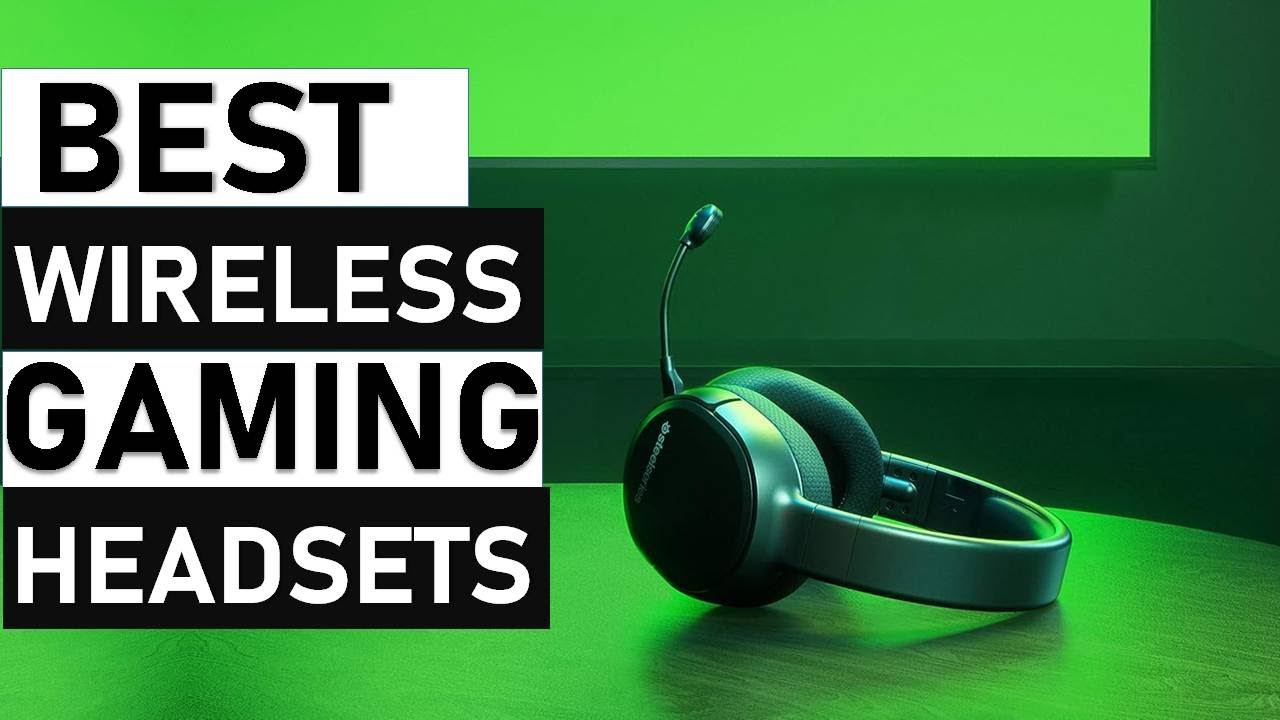
Best Wireless Gaming Headsets With 3D Audio In 2026 1536x1024 . 15 Best Gaming Headsets For Xbox In 2026 That Deliver Immersive Sound Top Xbox Gaming Headsets Gc5hd . Best Gaming Headsets Of 2026 From Budget Picks To Pro Audiophile . Best Gaming Headsets 2026 Wireless Low Latency Picks Gadjety Best Gaming Headsets 2026 1024x576 . 8 Best Logitech Gaming Headphones Of 2026 Top Logitech Gaming Headphones



Best Gaming Headsets 2026 Top 6 Best Models So Far YouTube . 15 Best Gaming Headsets For Xbox In 2026 Top Picks For Immersive Play Top Xbox Gaming Headsets 2026 Ij8c7 . Best Gaming Headsets 2026 Who Really Wins YouTube . The 7 Best Xbox Headsets Of 2026 For Immersive Gaming And Crystal Clear Top Xbox Headsets 2026 Z5h52 . 5 Best Wired Gaming Headphones In 2026 YouTube



The 7 Best Gaming Headsets Of 2026 Best Gaming Headset . Best VR Gaming Headsets 2026 Quest 4 PSVR 3 PCVR Wireless Picks Best Gaming Headsets . Best Gaming Headsets 2026 The Only 5 You Should Consider Today YouTube . The 6 Best PC Gaming Headsets Of 2026 RTINGS Com Best Pc Gaming Headsets 20240923 Medium . Top Gaming Headsets 2026 Die Besten Modelle Von 50 Bis 300 Top Gaming Headsets 2026 780x439

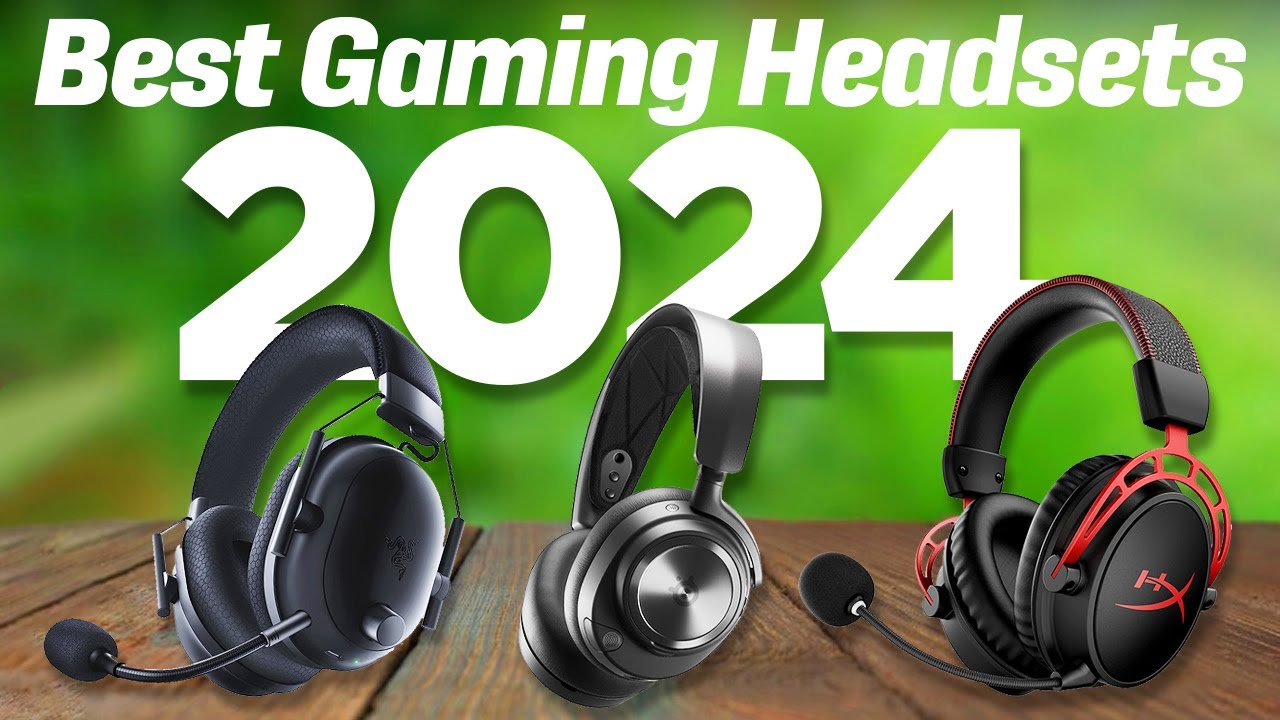


Best Universal Gaming Headphones 2026 10 Headsets Tested 41aj9LfEr4L . Best Wireless Gaming Headsets 2026 Don T Buy One Before Watching This . Top 5 Best Gaming Headsets 2026 Reviews YouTube . Top 5 Budget Wireless Gaming Headsets 2026 YouTube . Best Gaming Headsets 2026 Don T Buy One Before Watching This YouTube


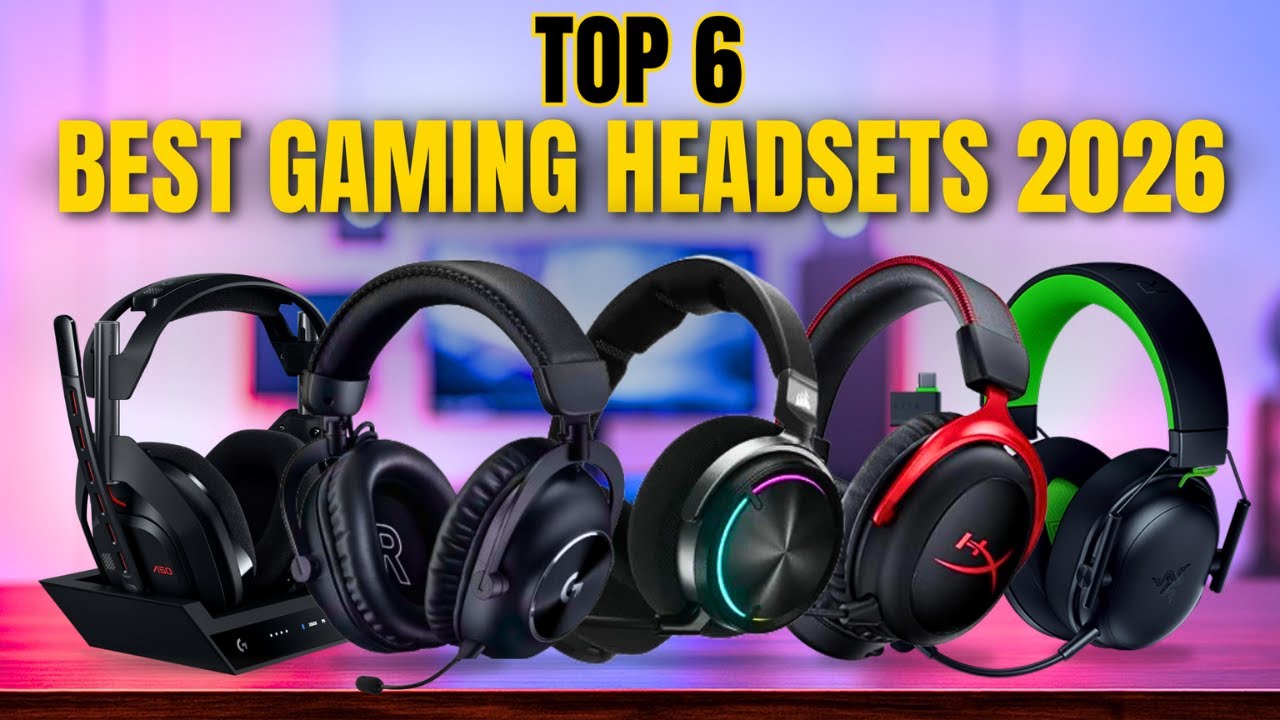
14 Best Gaming Headsets For Xbox In 2026 Top Picks For Immersive Play Top Xbox Gaming Headsets Yx7mh 768x432 . 3 Best Gaming Headsets For Xbox Series X In 2026 Top Xbox Series X Headset Reviews 8dydp . The Best Gaming Headsets For 2025 The Best Gaming Headsets For 2025 S9xq.1200 . Best Gaming Headsets 2026 Expert Reviews Comparisons Featured Image 3bs27o70 . Top 6 Best Wireless Gaming Headsets 2026 Lightweight Ultra
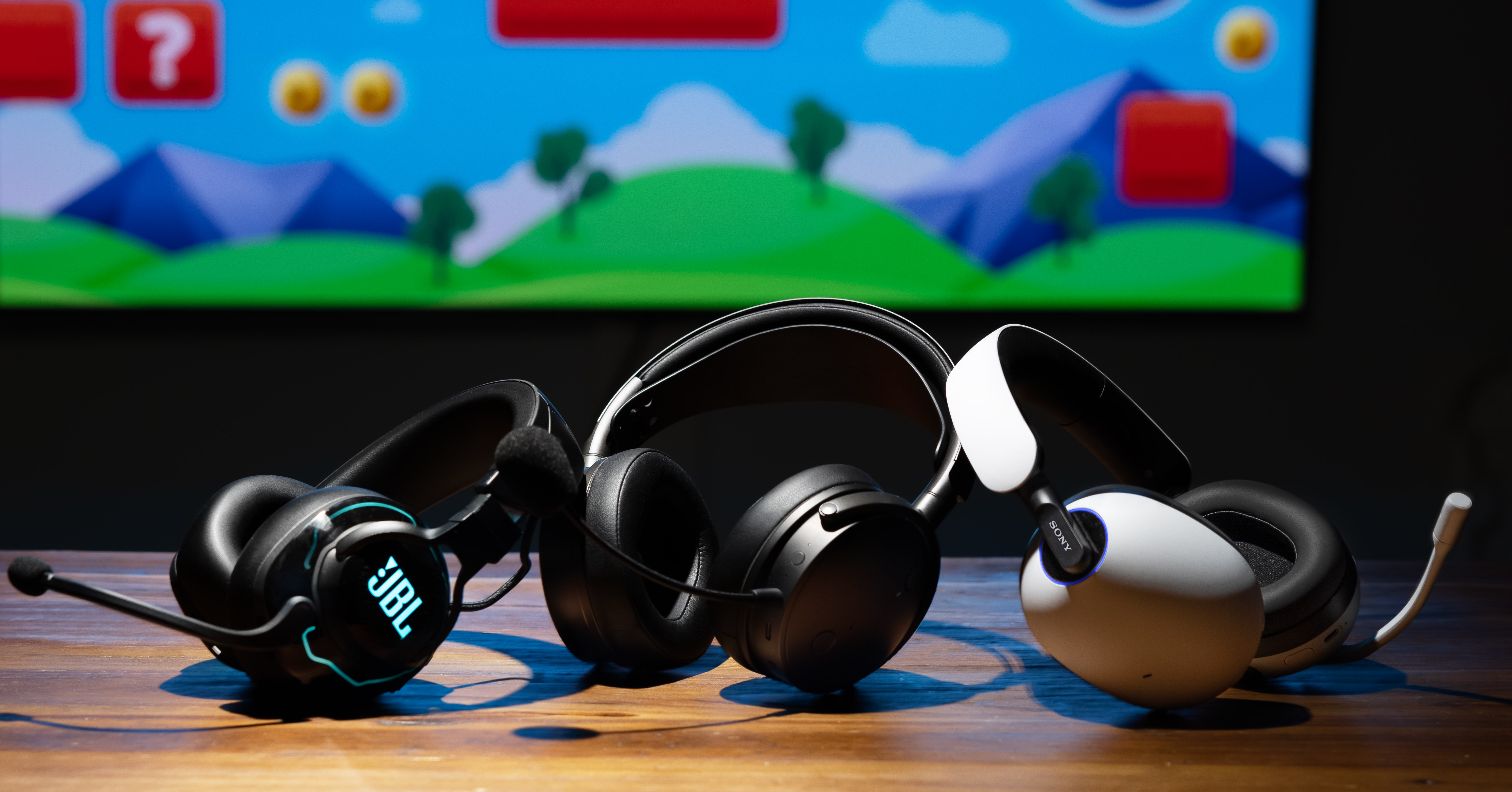
Best Gaming Headsets For 2026 109QTM910 884MXWELLP 158WHG900 0205 1200x628 . 101 Gadgets Stuff S Pick Of Brilliant Gaming Accessories To Level You Best Gaming Headset 2023 Lead . Best Gaming Headsets In 2026 I D Bet My Ears On These Headphones PC 450 80 . Best 32 Inch 4K 240Hz OLED Gaming Monitors Available In 2026 Best Open Back Headphones For Gaming This 2026 . Open Back Vs Closed Back Headphones Which Is Better For Gaming Jbl Quantum 910 Wireless Gaming Headset



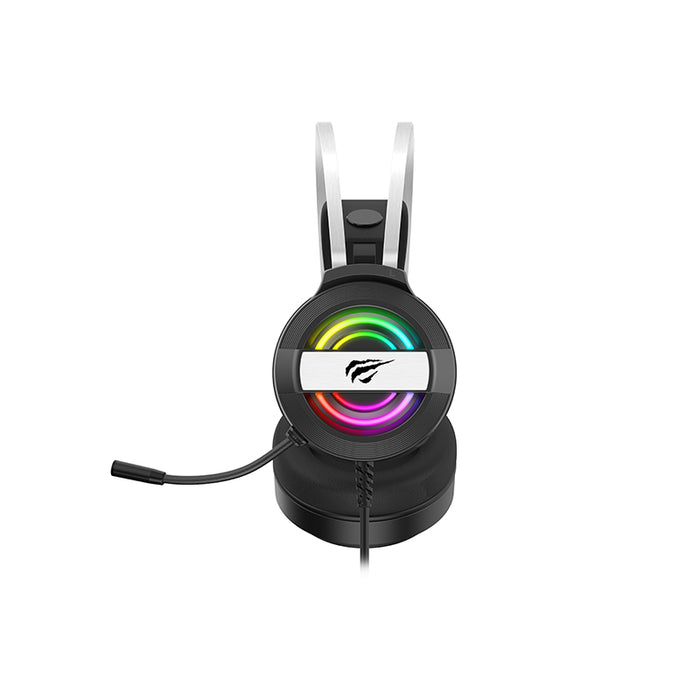
3 Best Gaming Headsets For Big Heads In 2026 Comfort And Performance Top Big Head Gaming Headsets 5tatt . The Best Gaming Headsets For 2025 The Best Wireless Gaming Headsets For 2025 Cyk3.640 . Top 5 Best Wireless Gaming Headsets Of 2026 YouTube . TOP 5 BEST BUDGET GAMING HEADSETS 2026 Affordable GAMING HEADSETS On . GAMENOTE H2026d Gaming Headphones 2026 Havit H2026d 1 700x700