Ever wondered what truly sets a gaming computer apart from a regular PC? In 2026, the distinction is sharper than ever, driven by incredible advancements in hardware and software. This comprehensive guide will navigate you through the exhilarating world of gaming rigs, explaining their essential components, from powerful AI-accelerated GPUs to ultra-fast PCIe 6.0 SSDs. We'll explore why these specialized machines are paramount for experiencing the latest AAA titles and immersive VR environments at their peak performance. Discover how a dedicated gaming PC offers unparalleled frame rates, stunning graphics, and lightning-fast load times, making every gaming session an epic adventure. Understand the critical factors that contribute to a superior gaming experience, ensuring you make informed decisions whether you're building a new system or upgrading an existing one for the future of gaming. Dive deep into the technology that powers your virtual worlds.
Welcome, fellow gamers, to the ultimate living FAQ for 'What's a Gaming Computer' in 2026! The world of PC gaming evolves at warp speed, and keeping up can feel like a boss battle in itself. This guide is your definitive resource, meticulously updated for the latest hardware, software, and gaming trends. Whether you're a beginner just dipping your toes into the exhilarating waters of high-performance gaming, an intermediate player seeking optimization tricks, or an advanced enthusiast looking for cutting-edge builds and endgame strategies, we've got you covered. We've scoured the internet, forums, and communities to gather the most pressing questions, offering clear, concise, and actionable answers. From understanding core components to troubleshooting pesky bugs and mastering advanced settings, consider this your essential companion. Dive in and equip yourself with the knowledge to conquer any virtual challenge! Let's get you ready for prime time gaming in 2026.What defines a gaming computer?
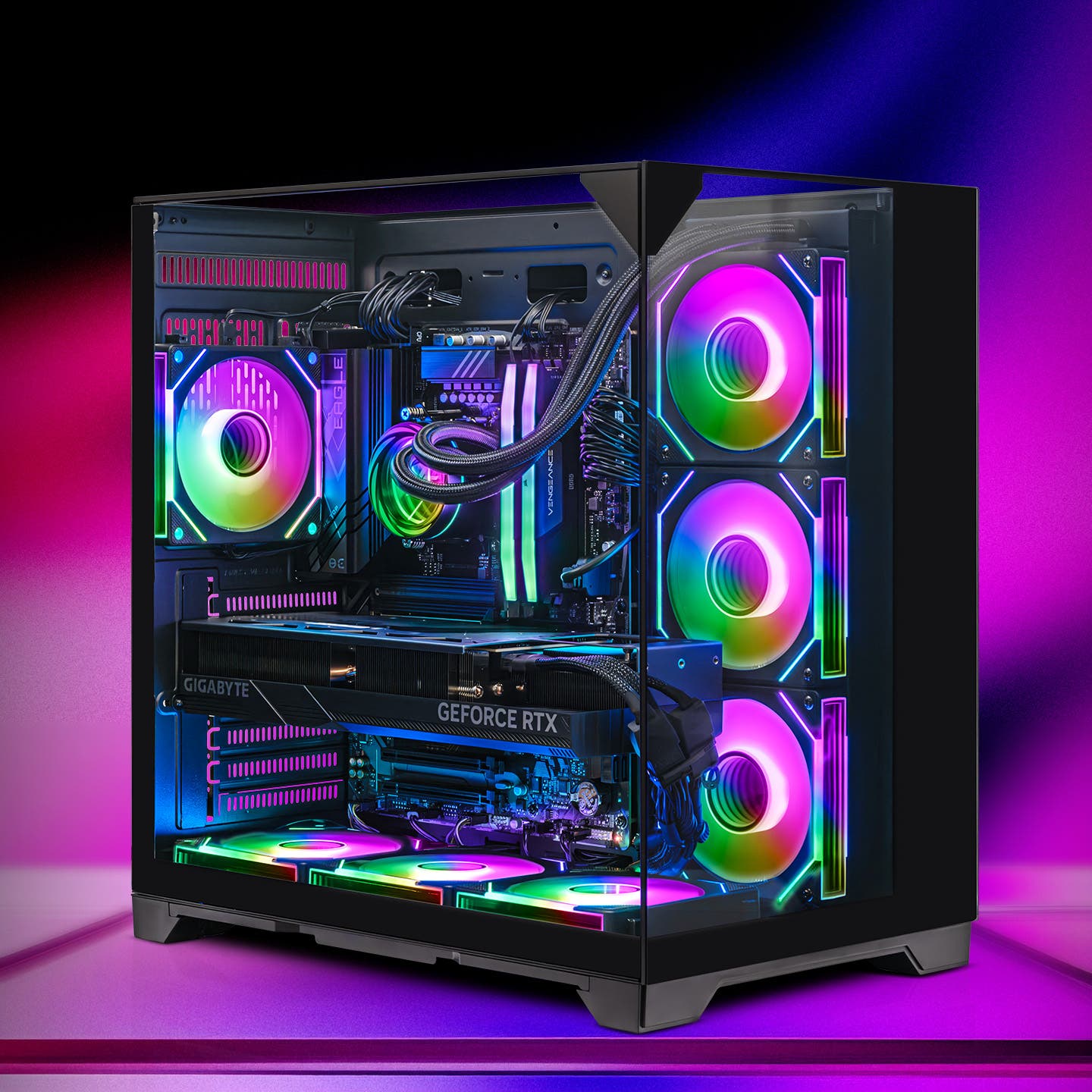
A gaming computer is a specialized PC equipped with powerful components like a dedicated GPU, fast CPU, ample RAM, and quick storage. These parts work in harmony to render complex graphics and execute demanding game processes, ensuring high frame rates, stunning visuals, and minimal load times for an immersive gaming experience. It's engineered for performance.Is a gaming PC worth it in 2026?
Absolutely, a gaming PC remains highly worth it in 2026 for unparalleled performance, visual fidelity, and flexibility. It offers the best platform for competitive play, high-fidelity single-player experiences, and diverse game libraries. While cloud gaming improves, local PCs deliver superior latency and customization for serious gamers.What is the most important component in a gaming PC?
The Graphics Processing Unit (GPU) is arguably the most crucial component in a gaming PC. It handles the rendering of all visual aspects of games. A powerful GPU directly translates to higher frame rates, sharper resolutions, and more detailed graphics, significantly impacting your overall gaming experience.How much RAM do I need for gaming in 2026?
For optimal gaming in 2026, 32GB of DDR5 RAM is highly recommended for new builds. While 16GB can still be functional for many titles, 32GB provides ample headroom for demanding modern games, multitasking, and future-proofs your system against increasing memory requirements, ensuring smoother performance.Can a normal computer be used for gaming?
A normal computer *can* technically run some older or less demanding games, but it's not ideal for modern titles. It lacks the dedicated graphics card, powerful processor, and advanced cooling of a gaming PC, leading to poor performance, low frame rates, and a frustrating experience with current-generation games.How often should I upgrade my gaming PC?
Generally, gamers consider upgrading major components like the GPU or CPU every 2-4 years to stay competitive with new game releases. However, minor upgrades like RAM or storage can be done as needed. The upgrade cycle largely depends on budget, performance goals, and how demanding new games become.What's the difference between a gaming PC and a workstation PC?
While both can be powerful, a gaming PC prioritizes single-core CPU performance and a top-tier GPU for graphics rendering. A workstation PC often focuses on multi-core CPU power, professional-grade GPUs (like NVIDIA Quadro), and massive RAM capacity for tasks like video editing, 3D modeling, and scientific simulations.Beginner Questions - Diving Into Your First Rig
What is a GPU and why is it so important for games?
A GPU, or Graphics Processing Unit, is a specialized processor designed to rapidly render images, videos, and animations. For gaming, it's paramount because it handles all the complex graphical calculations, translating game code into the visuals you see on your screen. A powerful GPU means higher frame rates, sharper resolutions, and more stunning graphical details, making your games look incredibly lifelike.What's the role of the CPU in a gaming computer?
The CPU, or Central Processing Unit, acts as the brain of your gaming computer, managing all general tasks and calculations. In gaming, it handles game logic, AI, physics, and communication between your other components. While the GPU renders graphics, a strong CPU ensures that all these game elements run smoothly, preventing bottlenecks that can cause stuttering.Do I need an SSD for gaming, or is an HDD okay?
In 2026, an SSD (Solid State Drive) is absolutely essential for gaming. It offers significantly faster load times for games and your operating system compared to an older HDD (Hard Disk Drive). While an HDD can store many games cheaply, an NVMe SSD for your primary games ensures you spend less time waiting and more time playing, greatly enhancing the experience.Myth vs Reality: Gaming PCs are always super loud.
Reality: This is largely a myth thanks to modern cooling solutions. While gaming PCs generate heat, advanced air coolers and AIO (All-in-One) liquid coolers in 2026 are designed for efficient and quiet operation. Manufacturers focus on optimized fan curves and larger heatsinks, meaning your gaming rig can be surprisingly silent even under heavy load.Builds & Classes - Customizing Your Gaming Experience
How do I choose the right CPU for my gaming build?
Choosing the right CPU involves balancing performance with your budget and GPU choice. For pure gaming, a CPU with strong single-core performance is often more beneficial than one with many cores. Consider current-generation Intel i5/i7 or AMD Ryzen 5/7 processors. Ensure it's compatible with your motherboard socket and offers a good upgrade path for the future.What kind of motherboard do I need for a modern gaming PC?
Your motherboard connects all your components, so choose one that supports your CPU socket, desired RAM (DDR5 in 2026), and has enough PCIe slots for your GPU and NVMe SSDs (preferably PCIe 5.0 or 6.0 for future-proofing). Look for robust power delivery (VRMs) if you plan on overclocking. Brands like ASUS, MSI, and Gigabyte offer excellent gaming-focused boards.Tips for selecting a Power Supply Unit (PSU) for a gaming rig.
Selecting a PSU requires careful consideration of its wattage and efficiency. Calculate the total power draw of your components (especially your GPU and CPU) and choose a PSU with at least 20-30% headroom. Opt for an 80 PLUS Bronze or Gold rating for better efficiency and less heat. In 2026, look for ATX 3.0 compliant PSUs for next-gen GPU compatibility.Myth vs Reality: Expensive thermal paste makes a huge difference.
Reality: While better thermal paste can offer a slight temperature reduction (a few degrees Celsius), the difference compared to good quality stock paste is often marginal for most users. Focus your budget on a solid CPU cooler instead, as that will provide far more impactful thermal management than a tiny tube of exotic paste.Multiplayer Issues - Connectivity and Communication
Why am I experiencing high ping in online games?
High ping, or latency, indicates a delay in communication between your computer and the game server. This is usually due to a slow internet connection, Wi-Fi interference, distance from the game server, or network congestion. To fix it, try using a wired Ethernet connection, restarting your router, or ensuring no other applications are hogging your bandwidth.How can I reduce lag and stuttering in online multiplayer games?
Reducing lag in online games often involves optimizing your network and local system. Ensure a stable wired internet connection, update network drivers, and close background applications. For stuttering, check your GPU drivers, monitor component temperatures for throttling, and adjust in-game graphical settings to match your hardware capabilities.Tips for optimizing network settings for competitive gaming.
For competitive gaming, prioritize a wired Ethernet connection over Wi-Fi. Ensure your router's firmware is updated and enable Quality of Service (QoS) to prioritize game traffic. Disable VPNs unless necessary for region access. Consider configuring port forwarding for specific games if suggested by the developer to improve connectivity.Myth vs Reality: My super-fast internet guarantees zero lag.
Reality: Even with super-fast internet, you can still experience lag. While bandwidth (speed) is important, latency (ping) is what directly causes lag. Factors like server distance, network congestion, and Wi-Fi interference can all introduce delays, regardless of your download and upload speeds. A low ping is more crucial than raw bandwidth for responsive gaming.Endgame Grind - Maximizing Performance & Longevity
What are the best practices for maintaining optimal FPS over time?
Maintaining optimal FPS involves regular system hygiene. Keep your GPU drivers updated, monitor component temperatures, and ensure good airflow in your case by cleaning dust filters. Optimize your in-game settings for each title, and regularly declutter your storage drive. Periodically re-applying thermal paste can also help, but isn't a daily task.How do I ensure my gaming PC stays cool under heavy load?
Ensuring your PC stays cool requires a combination of good case airflow, effective cooling components, and regular maintenance. Use multiple case fans for intake and exhaust, choose an appropriate CPU cooler (air or AIO liquid), and clean dust from fans and heatsinks regularly. Monitor temperatures with software to catch issues early.Tips for extending the lifespan of your gaming computer components.
To extend component lifespan, prioritize good cooling and a clean environment. Avoid extreme overclocking if unsure, ensure a stable power supply, and use a surge protector. Regularly clean dust from inside your case, and store your PC in a well-ventilated area away from direct sunlight or excessive humidity. Gentle handling also helps.Myth vs Reality: Constantly running games at 100% GPU usage will burn it out quickly.
Reality: Modern GPUs are designed to run at 100% usage under heavy load, and it's completely normal. They have built-in thermal limits and throttling mechanisms to prevent damage from overheating. As long as your cooling system is effective and temperatures remain within safe operating ranges, consistently maxing out your GPU won't "burn it out" prematurely.Bugs & Fixes - Troubleshooting Common Issues
My game keeps crashing to desktop. What should I check first?
If your game crashes, first check for updated graphics drivers. Verify the game's file integrity through its launcher (Steam, Epic Games). Monitor your CPU and GPU temperatures for overheating. Temporarily disable any overlays (Discord, GeForce Experience) or background apps. If it's specific to one game, check its official forums for known issues.How do I fix common stuttering and FPS drop problems?
Fixing stuttering and FPS drops often involves several steps. Update your GPU drivers. Lower demanding in-game graphics settings like shadow quality or anti-aliasing. Check for background applications consuming resources. Ensure your system isn't overheating. If online, a stable internet connection helps. A clean install of drivers can also resolve persistent issues.My monitor shows "no signal" after building/upgrading. What did I do wrong?
The "no signal" error is common. First, ensure your display cable (HDMI, DisplayPort) is connected to your *graphics card*, not your motherboard's integrated graphics port. Check that your GPU is properly seated in its PCIe slot and that its power cables are securely connected from the PSU. Finally, verify your RAM sticks are fully seated.Tips for dealing with corrupted game files.
If you suspect corrupted game files, the easiest fix is to use the "Verify Integrity of Game Files" option available in most game launchers (Steam, Epic Games, GOG). This scans and redownloads any damaged files. If that fails, a complete reinstall of the game might be necessary. Ensure your storage drive is healthy and free of errors.Optimizing Settings - Fine-Tuning Your Experience
How do I optimize in-game settings for my specific hardware?
Start by using your GPU's software (NVIDIA GeForce Experience, AMD Adrenalin) for suggested optimal settings. For manual tuning, focus on demanding settings like shadows, anti-aliasing, and volumetric effects. Lower these first for FPS gains. Test each change incrementally. Aim for a balance between visual quality and your desired frame rate.What's the best way to manage background applications while gaming?
To maximize resources for gaming, close all unnecessary background applications. Use Windows Task Manager to identify and end processes that consume significant CPU, RAM, or network bandwidth. Gaming-focused operating system modes often automatically prioritize your game, minimizing background interference. Disable automatic updates during gameplay.Guide to tweaking display settings for the best gaming visuals.
For best visuals, ensure your monitor is set to its native resolution and highest refresh rate in Windows display settings. Calibrate your monitor's colors and brightness. Enable G-Sync or FreeSync if your monitor and GPU support it, as this eliminates screen tearing and stuttering. Adjust in-game brightness and contrast to your preference.Myth vs Reality: Boosting Windows visual effects helps game performance.
Reality: Quite the opposite! Boosting Windows visual effects (like transparent windows, animations, or fancy cursors) actually consumes system resources that could otherwise be dedicated to your game. For optimal gaming performance, it's generally recommended to set Windows to a "Performance" visual setting, minimizing aesthetic flourishes.Advanced Techniques - Pushing the Limits
Is overclocking still a viable way to gain performance in 2026?
Overclocking (increasing CPU or GPU clock speeds beyond factory settings) remains a viable, though increasingly nuanced, way to gain performance in 2026. Modern components often have excellent stock boost clocks, so gains might be smaller than in the past. It requires robust cooling and a quality power supply. Proceed with caution and research specific component guides.Tips for using AI upscaling technologies (DLSS, FSR) effectively.
To use AI upscaling effectively, enable it in your game's graphics settings (DLSS for NVIDIA, FSR for AMD/NVIDIA). Choose a quality mode (e.g., Quality, Balanced, Performance) that balances image sharpness with desired FPS. Generally, "Quality" mode offers the best visual compromise. Use it when struggling to hit high frame rates at native resolution.How can I utilize specialized gaming peripherals to my advantage?
Specialized gaming peripherals, like a high DPI gaming mouse, mechanical keyboard, and quality headset, significantly enhance your experience. A precise mouse improves aim in FPS games. A responsive mechanical keyboard gives tactile feedback. A good headset provides crucial spatial audio cues for competitive play and immersion. Configure them with their respective software.Myth vs Reality: Defragmenting your SSD improves gaming performance.
Reality: This is a definite myth! SSDs do not need defragmentation; in fact, it can reduce their lifespan. SSDs access data electronically, not mechanically, so file fragmentation doesn't impact performance. Modern operating systems automatically handle TRIM commands for SSDs to maintain performance. Never defrag an SSD!VR & Immersion - Beyond the Screen
What specific components are crucial for a smooth VR gaming experience?
For smooth VR gaming, a powerful GPU is the most critical component, as it needs to render two high-resolution images simultaneously at high frame rates. A strong multi-core CPU and at least 16GB (preferably 32GB) of fast RAM are also essential. VR demands significant system resources, so don't skimp on these core components.Tips for optimizing your PC for high-fidelity virtual reality.
Optimize your PC for VR by ensuring you have the latest GPU drivers. Close all unnecessary background applications to free up CPU and RAM. Lower in-game VR graphics settings if you're experiencing stuttering or low frame rates. Ensure your VR headset's software is updated and that you have a dedicated USB 3.0 port for it.How do haptic feedback and advanced controllers enhance immersion?
Haptic feedback and advanced controllers dramatically enhance immersion by engaging more senses. Haptic technologies simulate tactile sensations, like the recoil of a weapon or the rumble of an engine, making interactions feel more real. Advanced controllers offer precise tracking, natural hand movements, and intricate button layouts, further bridging the gap between player and virtual world.Streaming & Content Creation - Beyond Playing
What hardware considerations are there for streaming games in 2026?
For streaming games in 2026, a powerful multi-core CPU (Ryzen 7/9 or Intel i7/i9) is crucial for encoding your stream without impacting game performance. Alternatively, modern GPUs often have dedicated encoders (like NVIDIA's NVENC or AMD's AMF) that can handle streaming with minimal performance overhead. Ample RAM (32GB+), fast storage, and a good webcam/microphone are also essential.Tips for optimizing OBS Studio for clear, smooth streams.
Optimize OBS Studio by using your GPU's hardware encoder (NVENC or AMF) for better performance. Match your output resolution to your streaming platform's recommendations (e.g., 1080p 60fps). Adjust your bitrate based on your internet's upload speed for clarity. Experiment with different settings and monitor your CPU/GPU usage to find the sweet spot.How can I balance game performance and stream quality?
Balancing game performance and stream quality is key. Use your GPU's dedicated encoder to offload streaming from your CPU. Lower demanding in-game graphics settings slightly if your FPS drops during streaming. Choose a stream resolution (e.g., 720p or 1080p) that your internet upload speed can comfortably support without sacrificing game frames.Accessibility & Inclusivity - Gaming for Everyone
How are gaming PCs becoming more accessible for diverse needs?
Gaming PCs are becoming more accessible through advancements in software and hardware. Operating systems offer extensive accessibility options, including screen readers and voice control. Manufacturers are producing adaptive controllers and modular input devices. Developers are also integrating customizable controls, difficulty options, and visual/audio aids directly into games.Tips for customizing your PC setup for ergonomic comfort.
For ergonomic comfort, position your monitor at eye level, ensuring your neck is neutral. Use a comfortable, supportive chair with armrests. Keep your keyboard and mouse at a height where your forearms are parallel to the floor. Take regular breaks, stretch, and ensure good lighting to reduce eye strain. Adjustable desks are a great investment.Still have questions? The world of gaming PCs is constantly evolving, and we're here to help you navigate it. Check out our related guides on "Best Gaming PC Builds for 2026," "Advanced GPU Driver Optimization," and "Troubleshooting Common PC Gaming Issues" for even more in-depth information!Hey gamers, have you ever scrolled through forums or chatted with friends and thought, "What *exactly* is a gaming computer?" It's a question that trips up a lot of people, especially with how fast technology evolves. In 2026, the answer is more exciting and complex than ever before, moving far beyond just having a 'powerful' machine. We're talking about finely-tuned beasts designed not just to run games, but to immerse you completely in digital worlds. Forget choppy frame rates or blurry textures; a true gaming PC is built from the ground up to deliver buttery-smooth performance, jaw-dropping visuals, and lightning-fast responsiveness. It's the difference between watching a movie and starring in it, with every pixel and every sound perfectly rendered. Join us as we demystify these incredible machines, exploring what makes them the ultimate platform for digital adventurers and competitive esports enthusiasts alike.
The core philosophy behind a gaming computer lies in its specialization. While a standard office PC prioritizes productivity and cost-efficiency, a gaming rig is engineered for raw processing power. It tackles the demanding computational requirements of modern games head-on, delivering an experience that simply cannot be replicated on lesser hardware. From the most intense FPS battles to the expansive open worlds of RPGs, a gaming PC ensures you're always ahead of the curve. This focus on performance extends to every single component, creating a harmonious ecosystem designed purely for play.
Beginner / Core Concepts
1. **Q:** I'm totally new to PC gaming. What even *is* a gaming computer, really?**A:** Oh, I totally get why this confuses so many people when they're first diving in! At its heart, a gaming computer is simply a personal computer specifically designed to play video games at higher performance levels than a standard, everyday PC. Think of it like a sports car versus a sedan. Both get you from A to B, but the sports car (your gaming PC) is built for speed, responsiveness, and an exhilarating ride. It packs more powerful hardware components like a dedicated graphics card, a faster processor, and more ample memory. These parts work together to render complex game worlds, high-resolution textures, and intricate physics without breaking a sweat or causing frustrating lag. You'll notice smoother visuals, quicker load times, and generally a much more immersive experience. It's truly a different beast from the computer you might use for email or spreadsheets, and once you try it, you'll never look back. You've got this, don't worry about the jargon for now!
2. **Q:** Why can't I just use my regular work laptop or desktop to play the latest games? What's the big difference?
**A:** That's a super common question, and I used to wonder the same thing before I really got into hardware! The big difference boils down to specialized components. Your work laptop or desktop is optimized for general tasks like browsing, document editing, and video calls, focusing on things like battery life or quiet operation. They usually have integrated graphics, which means the graphics chip is built right into the CPU and shares system memory. Gaming PCs, on the other hand, boast a dedicated Graphics Processing Unit (GPU) – a powerhouse specifically designed to handle the intense graphical calculations games demand. Plus, gaming PCs often have more RAM, faster storage drives like NVMe SSDs, and more robust cooling systems to handle sustained high loads. Without these, your regular PC would struggle, leading to low frame rates, stuttering, and an overall frustrating experience trying to run a modern AAA title. It's like trying to run a marathon in flip-flops versus proper running shoes!
3. **Q:** Do I need to be super tech-savvy to own and maintain a gaming computer in 2026?
**A:** Not at all, and I promise you, this one used to trip me up too when I was starting out! While it might seem intimidating with all the jargon, owning and maintaining a gaming computer in 2026 is actually more user-friendly than ever. Most of the heavy lifting, like driver updates for your GPU, are often automated or very clearly prompted by software from companies like NVIDIA or AMD. You'll want to learn a few basics, like how to keep your system clean (physically and digitally) and maybe how to monitor temperatures, but these are skills you'll pick up quickly. Forums and online communities are incredibly supportive if you ever run into a hitch. Think of it less like being a car mechanic and more like knowing how to keep your smartphone running smoothly. Don't let the technical terms scare you; the gaming community is always ready to help! Give it a shot, you'll surprise yourself with how capable you become.
4. **Q:** What are the absolute most important parts I need for a gaming PC, even if I'm on a budget?
**A:** Alright, if you're building on a budget, knowing where to focus your cash is crucial. For gaming, hands down, your GPU (Graphics Processing Unit) is king. This is the component that does the heavy lifting for rendering all those stunning visuals in your games. After that, a decent CPU (Central Processing Unit) is vital; it's the brain coordinating everything. Don't skimp entirely, but you don't need the absolute top-tier here if your budget is tight. Then, you'll want at least 16GB of RAM (Random Access Memory) – 32GB is ideal in 2026 for future-proofing and smoother multitasking. Finally, an SSD (Solid State Drive) for your operating system and primary games is a must for speedy boot times and reduced loading screens; even a smaller NVMe drive for your main titles makes a world of difference. You can always upgrade other things later, but these four are your foundation! Prioritize these, and you'll have a great gaming experience.
Intermediate / Practical & Production
5. **Q:** Everyone talks about "FPS." What is it and why is it so important for gaming?**A:** Ah, FPS, or Frames Per Second – this is the heartbeat of your gaming experience! Essentially, FPS tells you how many individual images (frames) your graphics card is rendering and displaying on your monitor every second. A higher FPS means a smoother, more fluid visual experience, making gameplay feel incredibly responsive and realistic. Imagine watching a flipbook; more pages flipped per second makes the animation smoother. In gaming, especially for fast-paced genres like FPS (First-Person Shooter) or Battle Royale games, a high and consistent FPS (like 144+ FPS on a matching high refresh rate monitor) is a competitive advantage. It allows you to react quicker, aim more precisely, and spot enemies more easily. Low FPS leads to stuttering and a "choppy" feel, making games frustrating. So, when people talk about maximizing their FPS, they're talking about getting the smoothest, most enjoyable, and most competitive edge possible. It truly transforms how a game feels!
6. **Q:** My games sometimes stutter or lag, even on a new PC. What could be causing that, and how can I fix it?
**A:** Ugh, stuttering and lag are the worst, especially on a new rig – I totally feel your pain on this one! There could be a few culprits. First, let's check your drivers. Outdated graphics card drivers are a classic cause of performance issues; always keep them updated (NVIDIA and AMD release new ones constantly). Next, overheating can cause your components to "throttle" down their performance to prevent damage, leading to stuttering. Make sure your PC's cooling is adequate and clean. Background applications eating up resources (RAM or CPU cycles) can also be a factor, so close anything unnecessary while gaming. Sometimes, a full storage drive can slow things down, or even poor internet connection if it's an online game causing "lag" (which is often network-related). Check your in-game settings too; perhaps they're set too high for your current hardware, even a powerful one. Start by updating drivers and monitoring temperatures; you'll likely find the solution there. You'll conquer this!
7. **Q:** What's the deal with "Settings Optimization"? How do I know which graphics settings to change for better performance without making my game look terrible?
**A:** Setting optimization is a real art, and it's something every gamer eventually grapples with! It's all about finding that sweet spot between visual fidelity and smooth performance (FPS). You don't want to sacrifice too much graphical eye candy, but you also need those frames. A great starting point is often turning down settings that are huge resource hogs but offer diminishing returns visually. Things like "Volumetric Clouds," "Shadow Quality" (often High to Medium is a big FPS jump), "Ray Tracing" (if your GPU struggles), and "Anti-Aliasing" (experiment with different methods) are common culprits. Texture quality is usually fine to keep high if your VRAM allows. Always test changes one by one so you can see the impact. Many games in 2026 also include built-in benchmarks or optimization guides that are super helpful. Think of it as fine-tuning your instrument for the perfect concert! You'll get the hang of it with a little experimentation.
8. **Q:** How much RAM do I really need for gaming in 2026? Is 16GB still enough, or should I go for 32GB?
**A:** Great question, and RAM requirements are definitely evolving in 2026! While 16GB of DDR5 or even fast DDR4 (if you're on an older platform) is still *functional* for most games, 32GB is rapidly becoming the new sweet spot and, frankly, what I'd recommend for any new build. Many demanding AAA titles are already pushing past the 16GB mark, especially if you're multitasking – running Discord, a browser with multiple tabs, or streaming software in the background. Future games will only become more memory-intensive. Going for 32GB ensures smoother gameplay, reduces potential stutters from memory bottlenecks, and significantly future-proofs your system. It's one of those upgrades that provides a noticeable quality-of-life improvement beyond just raw FPS numbers, making your entire system feel snappier. Trust me, it's worth the investment if you can swing it!
9. **Q:** Is it really worth spending extra on a high refresh rate monitor, or is 60Hz perfectly fine for gaming?
**A:** Oh, this is a game-changer question, and let me tell you, once you go high refresh rate, there's no going back! While 60Hz is "fine" for casual gaming or slower-paced RPGs, it simply doesn't compare to the buttery smoothness of a 144Hz, 240Hz, or even higher refresh rate monitor. The difference is immediately noticeable, especially in fast-paced genres like FPS, MOBA, or Battle Royale games. A higher refresh rate means your monitor displays more frames per second, reducing motion blur and making everything on screen feel incredibly fluid and responsive. You'll spot enemies quicker, track movements more accurately, and just feel more connected to the game. It's a competitive advantage and a huge immersion boost. If your graphics card can push high frame rates, pairing it with a high refresh rate monitor is absolutely worth the investment for an elite gaming experience. Try it at a friend's house or a store, and you'll see!
10. **Q:** I keep hearing about "drivers." What are they, and how do they affect my gaming performance?
**A:** Drivers are like the essential translators between your computer's operating system (Windows, for example) and your hardware components, especially your graphics card. They're tiny pieces of software that tell your OS exactly how to communicate with and utilize your GPU, CPU, motherboard, and other peripherals. For gaming, graphics card drivers are paramount! Game developers and GPU manufacturers (NVIDIA, AMD) constantly release new drivers that include performance optimizations for the latest games, bug fixes, and sometimes even new features. Running outdated drivers can lead to performance drops (lower FPS), visual glitches, crashes, or even compatibility issues with new titles. Regularly updating your drivers is one of the easiest and most impactful ways to ensure your gaming PC is always running at its best, often giving you free performance boosts! Think of it as giving your hardware the latest instruction manual. Make it a habit!
Advanced / Research & Frontier 2026
11. **Q:** With AI integration becoming huge, how will AI-accelerated GPUs in 2026 impact my gaming experience beyond just upscaling?**A:** This is where things get really exciting for 2026 and beyond! While AI has been fantastic for DLSS and FSR upscaling to boost FPS, AI-accelerated GPUs are now poised to do so much more. We're seeing AI cores being leveraged for incredibly realistic physics simulations, dynamic environment generation that adapts to player actions in real-time, and even intelligent NPC behaviors that learn and evolve with you, making every playthrough feel unique. Imagine AI-powered texture generation that creates hyper-realistic details on the fly or AI-driven audio spatialization that perfectly places sounds based on your environment. Furthermore, AI could revolutionize game optimization, dynamically adjusting settings in real-time to maintain ideal performance based on your specific hardware and in-game situation. It's not just about making games look better; it's about making them smarter, more immersive, and more reactive than we've ever experienced. We're on the cusp of truly intelligent game worlds!
12. **Q:** What's the current thinking on future-proofing a gaming PC in 2026 given the rapid tech advancements (e.g., PCIe 6.0, DDR6)?
**A:** Future-proofing in 2026 is a balancing act, and it’s a conversation I have with colleagues constantly! The truth is, "future-proof" is almost a myth because tech moves so fast, but you can certainly future-*resilient* your build. Focusing on a robust motherboard with ample PCIe 6.0 lanes for upcoming GPUs and super-fast NVMe SSDs is key. Investing in a high-wattage, efficient power supply (PSU) with ATX 3.0 or even ATX 4.0 readiness will handle the increasing power demands of next-gen components. While DDR6 RAM is on the horizon, getting a good set of high-speed DDR5 now, paired with a platform that supports a CPU upgrade path (like AMD's AM5 or Intel's next-gen socket), is wise. Don't chase the absolute bleeding edge on every component; instead, strategically invest in the core platform and power delivery. That way, when DDR6 or the next-gen GPUs arrive, you're only swapping a few parts, not rebuilding entirely. It's a marathon, not a sprint!
13. **Q:** Ray Tracing and Path Tracing are becoming standard. How demanding are these really on 2026 hardware, and what does it mean for mid-range systems?
**A:** Ray Tracing and especially Path Tracing are absolutely gorgeous, but man, they are *brutally* demanding, even on top-tier 2026 hardware! While dedicated RT cores on GPUs have vastly improved performance, running full Path Tracing (which simulates light bounces much more accurately) still requires immense computational power. For mid-range 2026 systems, this often means making concessions. You'll likely need to rely heavily on AI upscaling technologies like DLSS 4.0 or FSR 4.0 to achieve playable frame rates with any form of Path Tracing enabled. It might also mean playing at 1080p or 1440p instead of 4K, or reducing other graphical settings significantly to compensate. The good news is that these upscaling technologies are getting incredibly good, blurring the line between native and upscaled resolutions. So, while mid-range systems can *experience* RT/PT, they'll lean on smart software more than raw hardware muscle to do it smoothly. It’s an exciting challenge for engineers, for sure!
14. **Q:** What are some emerging trends in cooling solutions for gaming PCs that I should be aware of in 2026?
**A:** Cooling is becoming increasingly critical as components get more powerful and generate more heat – it’s a constant battle! In 2026, we're seeing a big push beyond traditional air and liquid cooling. Vapor chambers are becoming more common, even in high-end GPUs and CPUs, offering superior heat spreading. Hybrid cooling solutions, combining elements of AIO liquid coolers with innovative fan designs, are gaining traction. We’re also keeping a close eye on more exotic solutions, like phase-change cooling for enthusiasts, though that's still pretty niche. Expect smarter fan control systems that use AI to predict thermal loads, adjusting speeds proactively. Even chassis designs are evolving, with better airflow paths and integrated thermal management features. The goal is always quieter operation and sustained boost clocks. Keeping your system cool isn't just about longevity; it's about unlocking maximum performance without throttling. So, watch for smarter, more efficient, and often quieter cooling options this year.
15. **Q:** How will cloud gaming services (e.g., Xbox Cloud Gaming, GeForce NOW) evolve in 2026 to potentially compete with or complement high-end local gaming PCs?
**A:** That’s a fantastic, forward-thinking question, and honestly, the cloud gaming landscape in 2026 is a fascinating one! Cloud services are definitely getting better, offering incredibly low latency and impressive graphics, sometimes even at 4K. They're fantastic for casual gamers, those on the go, or people who simply don't want to invest thousands in hardware. For many, they'll become the primary way to access certain games. However, for the true enthusiast who craves the absolute lowest latency, uncompressed visuals, and the freedom to tweak every setting, a high-end local gaming PC will still reign supreme. Cloud gaming will likely complement local PCs rather than fully replace them. Imagine using cloud for quick sessions or to try out games, then buying and playing locally for your absolute favorites. We might also see hybrid models where some processing is local and some is in the cloud. It’s a dynamic space, and both will thrive by serving different needs. It's an exciting time for gamers, offering more choice than ever!
Quick 2026 Human-Friendly Cheat-Sheet for This Topic
- Your GPU is the most important part for gaming – invest here first!
- Always keep your graphics drivers updated; it’s like free performance.
- Aim for 32GB of RAM for new builds in 2026 to stay smooth.
- An NVMe SSD is non-negotiable for fast game loading and system responsiveness.
- Consider a high refresh rate monitor (144Hz+) to truly see and feel the difference.
- Don't forget good cooling; hot components slow down and shorten lifespan.
- Optimize in-game settings: lower demanding options like shadows for better FPS.
High-performance CPUs and GPUs are essential for gaming. Fast RAM (DDR5/DDR6) and quick storage (NVMe PCIe 5.0/6.0 SSDs) prevent bottlenecks. Advanced cooling systems maintain optimal temperatures for sustained performance. Gaming computers deliver superior frame rates and graphical fidelity compared to standard PCs. Future-proofing your rig involves investing in modular components and cutting-edge technology for 2026 and beyond. Specialized peripherals enhance the overall gaming experience.
35


Top 10 Best Desktop Computers 2026 For Home Office And Work Lenovo Legion Tower 7i 2026 High Performance Desktop Computer With RGB Lighting Featured In. The Best Gaming PC Of 2026 Top Prebuilt Desktops Gaming Pc . 3 Best Prebuilt Gaming PCs Of 2026 Power Up Your Gameplay Top 2025 Gaming Pc Picks 2g35l . Top 10 Most Anticipated Games Of 2026 What To Watch Out For GAMES IN 2026 . The Best Cheap Gaming Laptops For 2026 Tested For Gaming Top 3 Gaming Laptops Of 2026 - The Ultimate Guide

CPU Price Index 2025 The Cheapest Price On Every PC Processor Today . Enthusiast Builds AMD Gaming PC Entirely Made Of Cardboard Specs . How To Upgrade Your Gaming PC 2026 Edition GadgetMates Bg Intro1 . Asus Launches New ROG Wi Fi 7 Gaming Router That Comes With Nine 2 5G . Top 10 Best Desktop Computers 2026 For Home Office And Work Lenovo Legion Tower 5i 2026 Budget Desktop Computer For Home Office Among Best Desktop

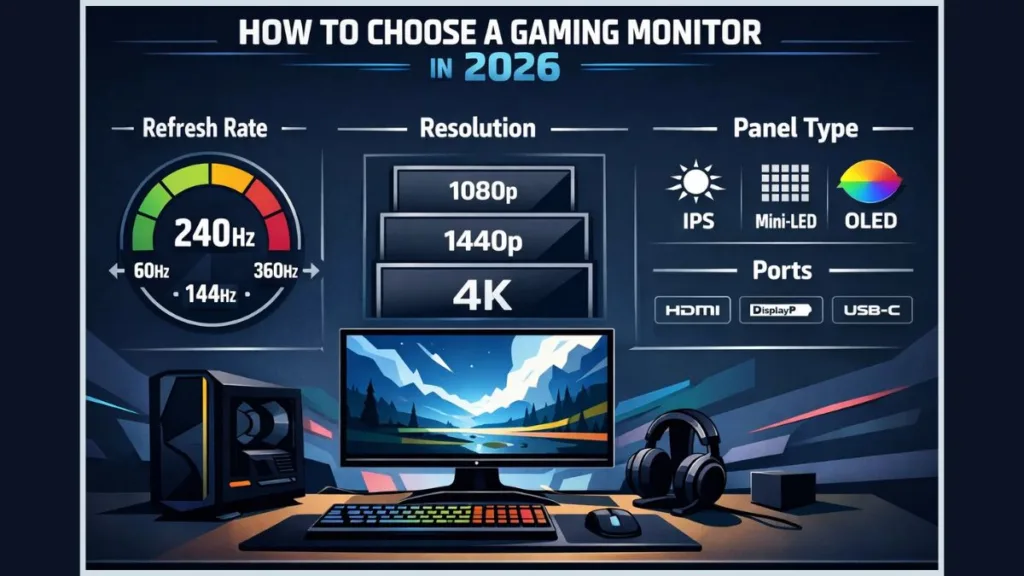

How To Build A Future Proof Gaming PC A Step By Step Guide 2025 Future Gaming Pc Build 2025.webp. If GTA 6 Isn T Coming To PC Until 2026 This Is What A Top End Gaming 1200 80 . What Is Howdy The New 3 Per Month Streaming Service Stuff Best Gaming Consoles Hero Image . How To Choose A Gaming Monitor In 2026 Complete Gaming Monitor Buying Gaming Monitor Guide 2026. Valve Steam Machine PC Console Hybrid Launches Early 2026 Why It Could Valve Steam Machine 2026 Official Product Photo 1024x512

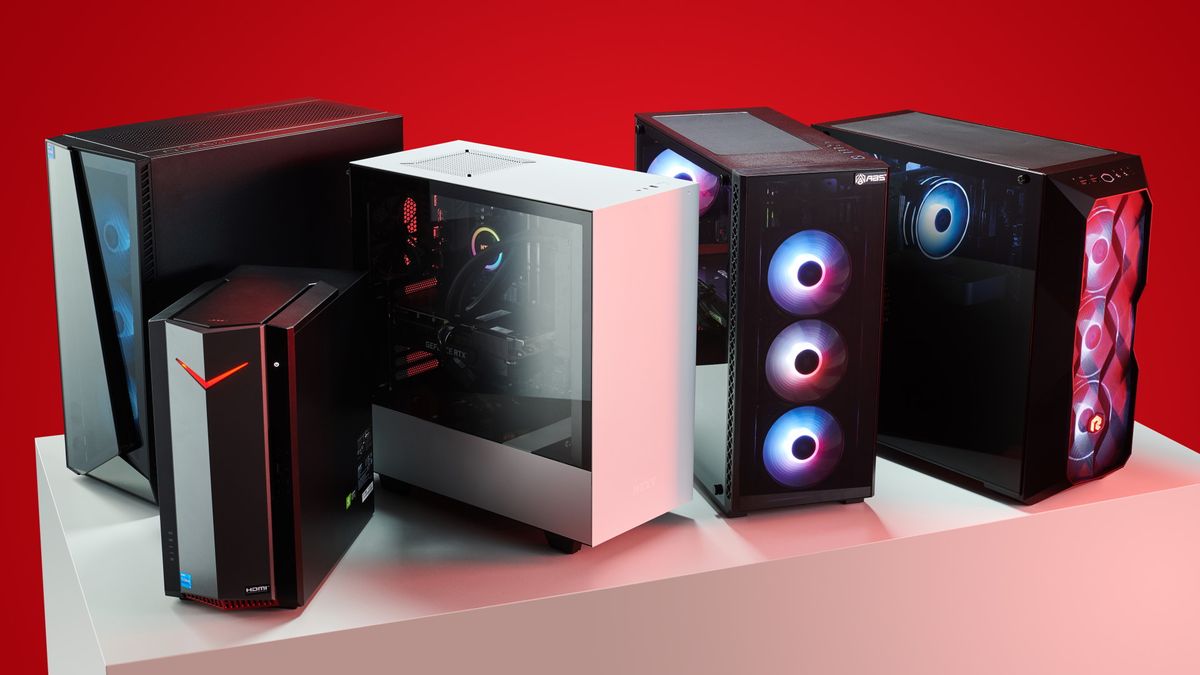

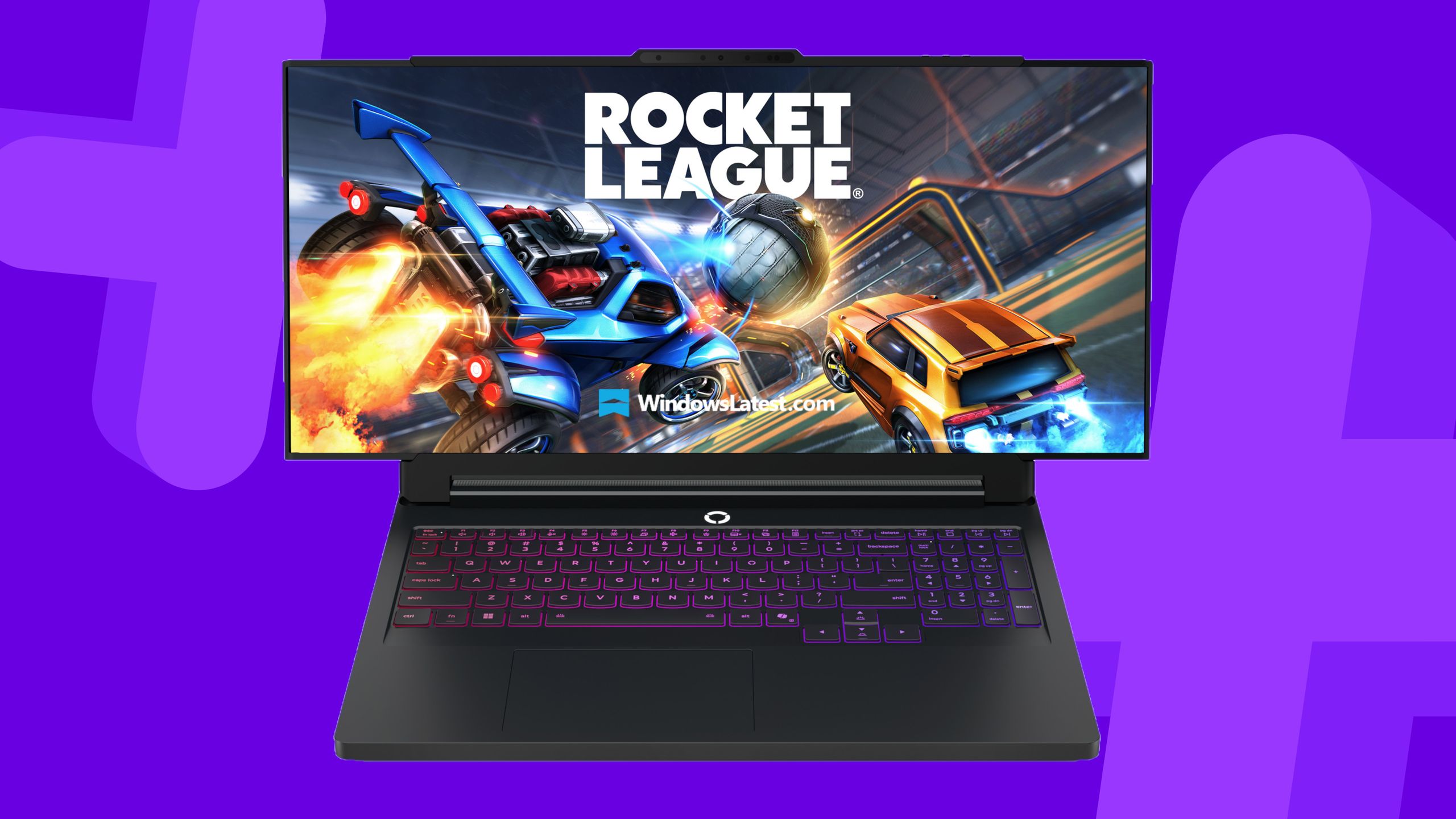
Destiny 2 The Edge Of Fate Renegades Bungie Hebt Ab Zu Den Sternen Playstation 2026 Teaser.webp. Gaming 2026 Full Release Calendar Games 2026. Gaming PC And Graphics Card Shipments Will Grow Into 2025 Due To 1200 80 . TOP 21 NEW Upcoming Games Of 2026 YouTube . Lenovo Could Be Solving One Of The Biggest Problems With Gaming Laptops 2560 80
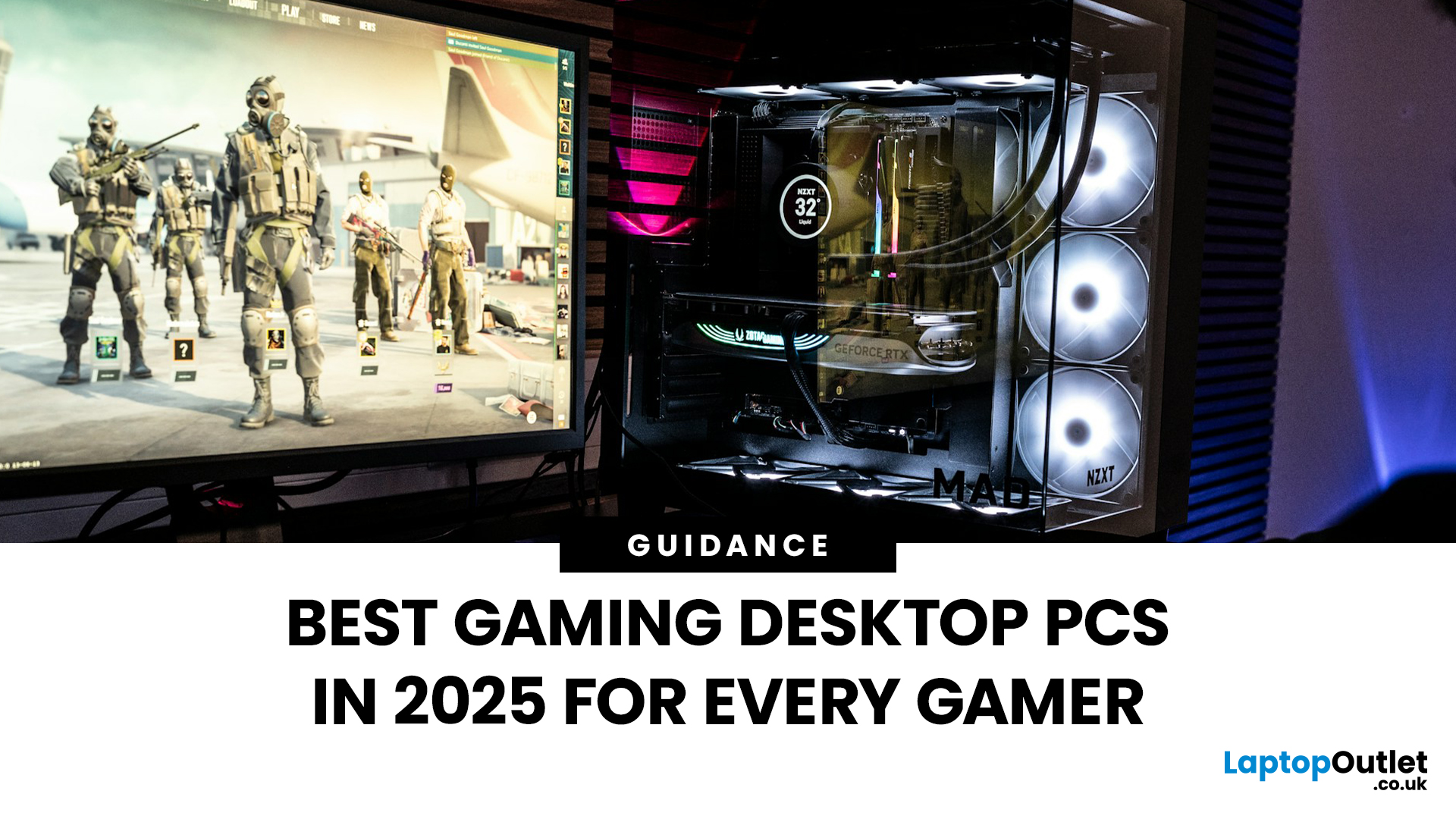

Guide Xbox Game Pass In 2026 The Full List Of Everything Announced So Far Large . Best Gaming Laptops PCs For Battlefield 6 RedSec In 2025 Best Gaming Desktop PC 2025 Main . RTX 5060 Gaming PCs Affordable Power For Next Gen Gaming AWD IT AWD 6 . The Best Gaming PCs In 2024 Tried And Tested CNN Underscored Gaming Pcs . Gaming Desktop Buying Guide 2024 TecDale Reviews Gaming PC Blog Banner 1.2



Best Gaming PC Of 2024 For Every Budget YouTube . Best Laptops 2026 Top Picks For Every Budget Use Case Xthe Best Laptops 2026 Top Picks For Every Budget Use Case 750x350 . Why Your Minecraft Server Is Lagging Fixes What To Consider When Choosing The Right Gaming Platform In 2026 . Technology Of The Future A Computer Chip Illuminates The Year 2026 On A Technology Future Computer Chip Illuminates Year Circuit Board Generated Ai 345878049 . How Do I Clip Recent Video Game Moments 2026 Video Game Release Dates Post Feature Image


The 15 Best Gaming PC In 2026 Tested Reviewed Com Best Business Desktop Computers . 5 Best Gaming PCs 2026 Gaming Net. My Favorite AMD Gaming Laptop Just Switched To Intel And I M Worried DT CES 2026 Feature Image . Mejores De PC Gaming En 2026 Tecnoguia Las Mejores De Ordenador Gaming Del Ano 2048x1201 . BEST GAMING LAPTOPS IN 2026 REVIEWED AND RANKED Technical 1200 80